
Last updated November 15, 2026
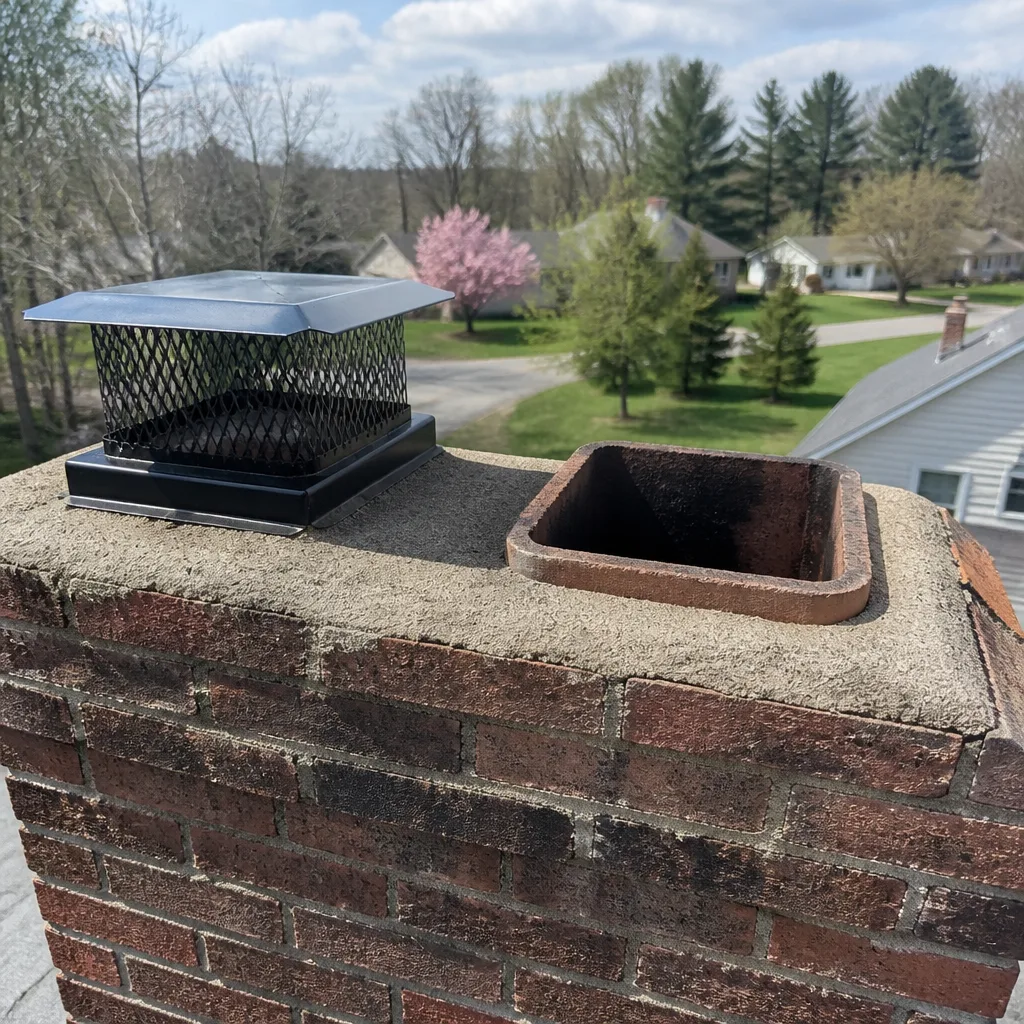 Sweep & inspection
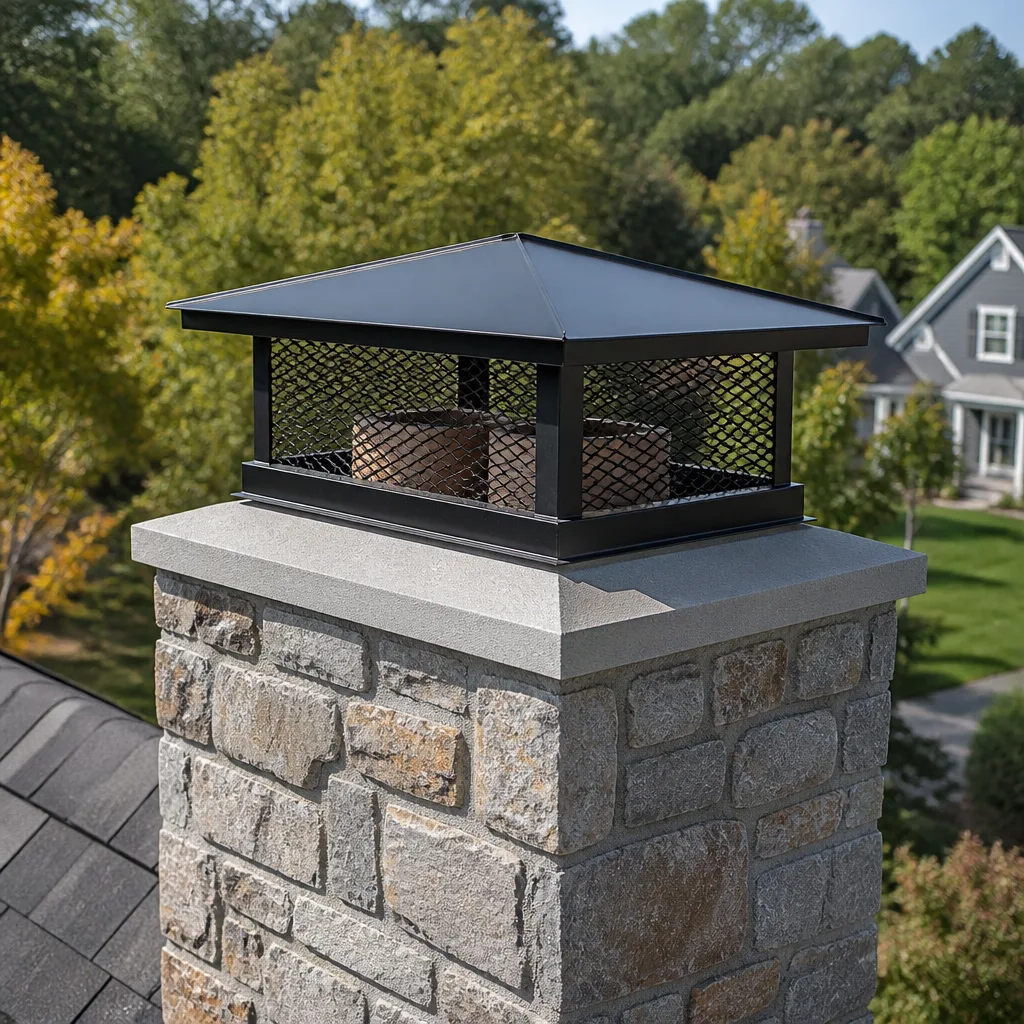 Caps & crowns
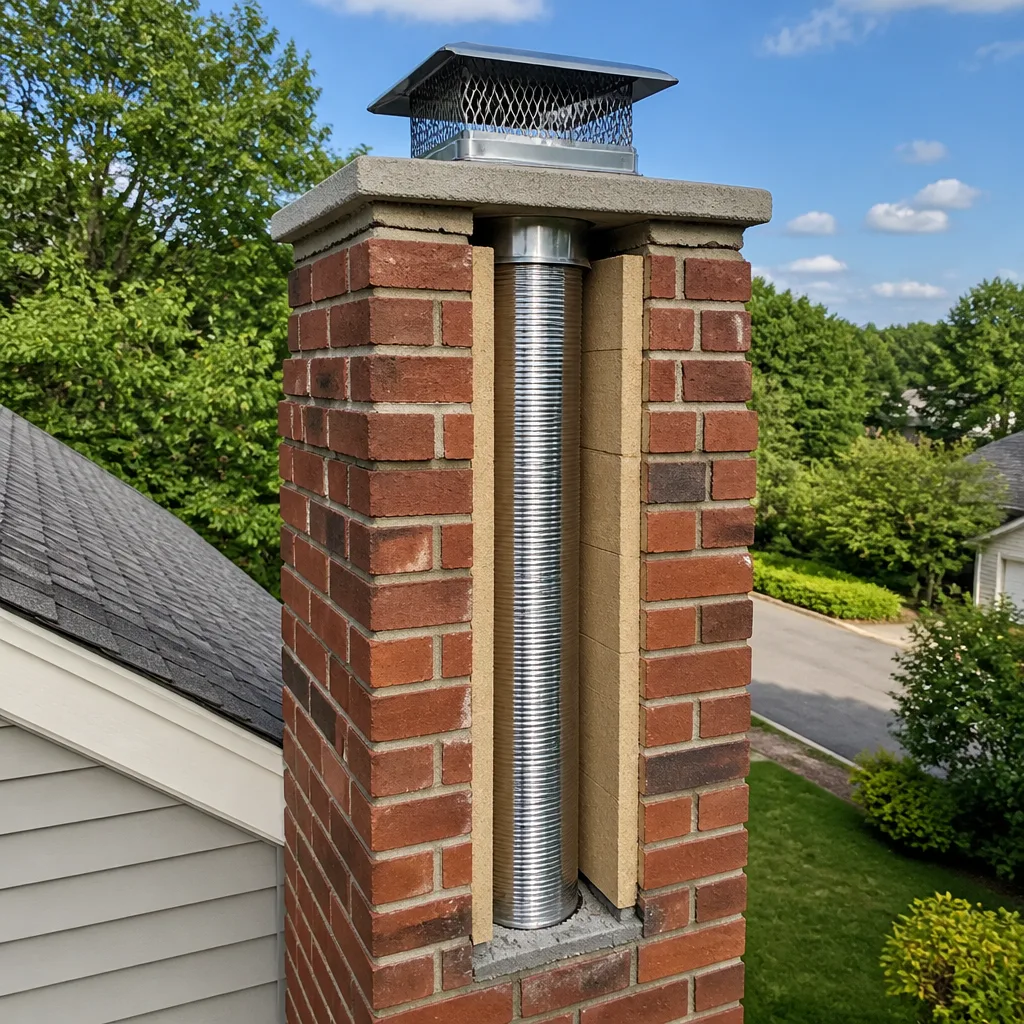 Flue relining
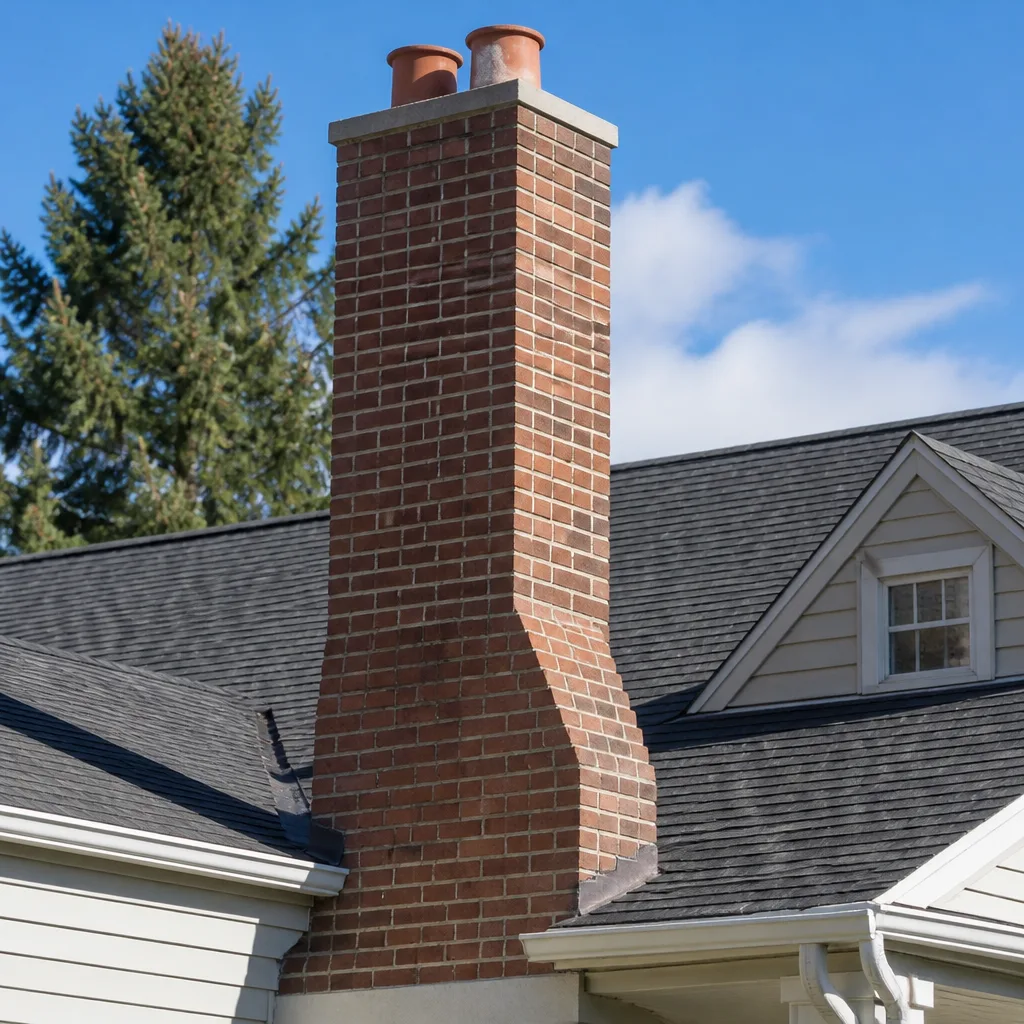 Masonry repair
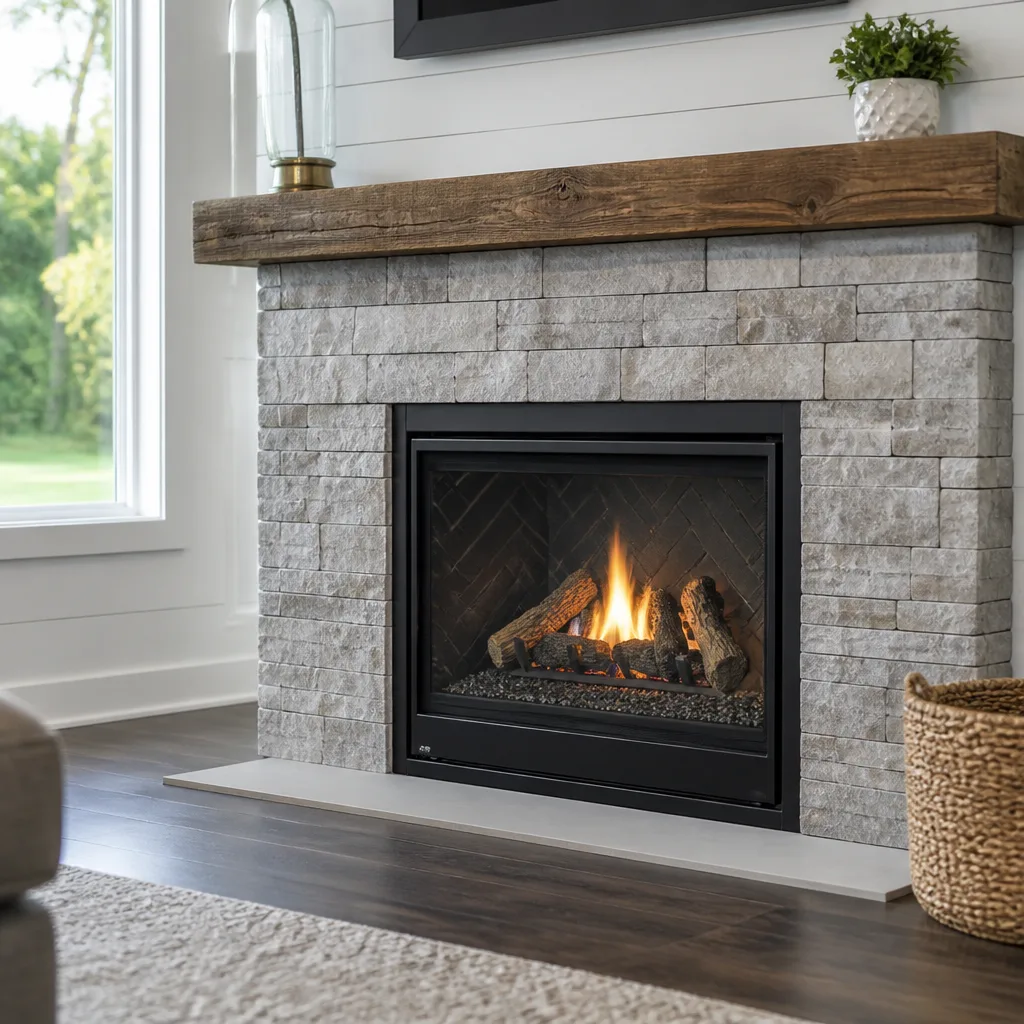 Gas fireplace service
Level 1 sweep and inspection to the NFPA 211 annual standard - flue, crown, cap, and flashing checked and photographed
Chimney sweep logs do not sweep chimneys. They loosen some creosote - which then falls where a brush and vacuum still have to collect it.
Chimney Cleaning Permits, Codes & Inspections in Tyler, TX: What You Need to Know
Most chimney work in Tyler doesn’t need a permit. A routine cleaning, an annual inspection, a new cap on a sound chase – none of that goes through the city. The surprise comes later, when a change to the fireplace system crosses the line from maintenance into alteration and nobody pulled the paperwork. Texas gives cities wide latitude to adopt their own building code amendments, and Tyler’s version of the International Residential Code has provisions many homeowners never hear about until they’re mid-repair. Our technicians have up to 11 years of experience, and we’ve watched this catch people at the worst possible moment – during a resale inspection.
This guide walks through what triggers a permit, what doesn’t, how relining is classified, what a code-compliant inspection report should contain, and how to request a city inspection when the work needs one.
Quick Answer
Routine chimney sweep work – brushing, vacuuming, a visual check – does not require a permit in Tyler. Alterations to the chimney system, including liner replacement, insert installation, and structural changes to the cap or chase, generally do require a permit from the City of Tyler’s building department. When in doubt, call the city and ask before work starts; the answer takes minutes and saves months of resale trouble.
Styles & brands we work with
- Sweep & inspection
- Caps & crowns
- Flue relining
- Masonry repair
- Gas fireplace service
Table of Contents
- Maintenance vs. Alteration: Where the Line Sits in Tyler
- What Work Triggers a Permit Under Tyler’s Adopted Code
- How Liner Replacement Is Classified in Texas
- What a Code-Compliant Inspection Report Contains
- Why Permits and Reports Matter for Insurance After a Chimney Fire
- How to Request a City Inspection
- What a Sweep Checks vs. What the City Inspector Checks
- The Resale Problem Nobody Warns You About
Maintenance vs. Alteration: Where the Line Sits in Tyler
The City of Tyler, like most Texas municipalities, uses the International Residential Code as its base and applies local amendments on top. That base document draws a fairly clear line: maintenance that preserves a system in its current condition is one category; anything that changes the system’s function, materials, or dimensions is another. That distinction is where most homeowner confusion starts, and it’s worth understanding before you call anyone.
Maintenance includes:
- Brushing and vacuuming the flue to remove creosote and soot
- Annual visual inspections with a camera
- Replacing a spark arrestor or storm collar on an existing cap
- Minor mortar pointing on the crown or firebox where no structural change occurs
Alteration includes:
- Installing a new stainless liner inside an existing masonry flue
- Converting a wood-burning fireplace to a gas insert or a pellet appliance
- Changing the flue’s interior dimensions or routing
- Rebuilding a chimney chase that affects structural load or height
If you live in a Tyler neighborhood like Azalea District, where several homes still carry original mid-century masonry fireplaces, an alteration to the flue could touch more than just the flue itself – it may engage the structural code. In newer construction out toward Hollytree or the Cumberland Road corridor, the alterations are usually insert-related and simpler to classify. Either way, the classification is not guesswork; it comes from the code the City of Tyler has adopted, and the building department can tell you which bucket your job falls into.
What Work Triggers a Permit Under Tyler’s Adopted Code
A permit is triggered when the work changes the chimney system rather than simply cleaning it. The clearest test: does the flue’s interior material, dimension, or connection to an appliance change? If yes, assume a permit. If no, and you’re simply sweeping and inspecting, assume not.
Here’s a step-by-step way to work through it:
- Write down what you think needs to happen, in plain language: “new liner,” “new cap,” “convert to gas,” “just sweep it.”
- Compare against the maintenance list above. If it matches, you’re likely in the “no permit” bucket.
- If it doesn’t match, call the City of Tyler building department and describe the job. Ask directly: “Does a chimney liner replacement require a permit in Tyler?”
- If the answer is yes, ask what documentation the permit application requires – typically a scope of work, product specifications, and a licensed contractor.
- Ensure the contractor installing the work is licensed and can pull the permit under their name.
- Keep a copy of the permit and the final inspection sign-off with the home’s records.
One practical note: caps, in most cases, sit in a gray area. Replacing a failing cap with identical hardware is often treated as maintenance. Changing the cap to a different style or attaching a new draft system is usually an alteration. Ask before you buy, not after. Getting this step right protects the whole alarm-to-chimney interface, since a cap that’s improperly air-sealed can affect how smoke draws back through a living space.
How Liner Replacement Is Classified in Texas
A liner replacement is an alteration to the chimney system, not maintenance, and under the IRC as adopted in Texas municipalities it typically requires a permit. This is the single most common permit mistake we see in Tyler – a homeowner decides the old clay tile flue isn’t safe, calls a handyman to drop a stainless liner in, and never thinks about the building department.
A code-compliant liner installation is not just a pipe slid down the chase. It involves:
- Correct flue sizing for the appliance, using the appliance manufacturer’s spec and the liner manufacturer’s installation manual
- Proper insulation of the liner where required for zero-clearance or masonry chimneys
- A top plate and cap that seals against weather and wildlife
- Connection to the appliance collar with correct adapter and high-temperature sealant
- Clearance to combustibles maintained through every floor and ceiling penetration
We install DuraFlex flexible liner systems for appliance upgrades and liner replacements, and the installation manual for that product spells out exactly what a compliant job looks like. When the city inspector comes out, that’s the standard they’re checking against. Substituting an off-shelf liner of the wrong diameter, skipping the insulation, or leaving the top plate unsealed is a failed inspection and a serious safety problem – the liner exists specifically to keep heat away from the wood framing a masonry chimney sits inside.
For liner repair that falls short of a full replacement, the HeatShield resurfacing system can be used to address cracked flue tiles and joint gaps without tearing out the original masonry. Whether HeatShield or DuraFlex is the right call depends on the condition of the flue, and that’s a decision made from inspection findings, not from a sales sheet.
What a Code-Compliant Inspection Report Contains
A code-compliant inspection speaks the same vocabulary as the IRC and NFPA 211. Reports that read like a cartoon of the chimney (“good” or “needs work”) don’t hold up when you need to hand one to an insurance adjuster or a real estate appraiser. A serious report covers every inspectable component of the system.
What a thorough report includes:
- Date of inspection and the level performed (Level 1, 2, or 3)
- Exterior: cap condition, spark arrestor, crown, flashing, masonry, chase
- Firebox: brick and mortar condition, damper operation, ash dump
- Flue interior: tile alignment, joint gaps, evidence of cracked or displaced tile, creosote staging if any
- Camera or photographic evidence of anything flagged, so the homeowner can see it
- Appliance connection: whether the flue size matches the appliance, and whether the liner is present and intact
- Clearance to combustibles where visible
- A written assessment with recommended repairs prioritized from critical to cosmetic
- Technician name and credentials, plus the company’s contact information
If a report is missing the photo evidence, ask for it. The report should tell you what was found and what it means in plain language; anything that reads vague is worth circling back on. The technician who inspects, in our case, also does the repair work – so the findings on the report connect directly to a scope of work rather than needing a second visit from a second company.
Why Permits and Reports Matter for Insurance After a Chimney Fire
If a chimney fire ever happens, the first question your insurer asks is what condition the chimney was in before the fire. Without an inspection report, that question has no documented answer, and coverage decisions can stall or get contested.
Two documents matter most:
- A recent Level 2 inspection report with photos. It establishes the state of the flue, liner, crown, and cap at a fixed point in time.
- Permits and inspection sign-offs for any alterations. If the liner was replaced without a permit, an adjuster can reasonably argue that the alteration was unpermitted work and treat related damage differently.
Insurance carriers don’t run chimney inspections themselves. They rely on the paperwork the homeowner can provide. Keeping the report and any permit sign-offs filed with your closing documents or home maintenance binder is a small habit that pays off during a hard season. The same file is useful during a resale, during a refinance appraisal, and any time a technician is explaining a repair – a clean chimney is a measurable thing, and the paper trail is part of the measurement.
How to Request a City Inspection
When a permit is pulled for chimney alteration work, a final inspection by the City of Tyler building department is the closing step. The homeowner or contractor can request it, and the process is straightforward.
- Confirm which permits are open on the property and which stage they’re in (rough-in, final).
- Have the contractor schedule the inspection once the installation is complete and the appliance is fully connected.
- Provide the inspector access to the roof, the firebox, and the appliance connection – all three need to be visible.
- Have product documentation ready: liner brand and model, installation manual, and any specification sheets.
- Keep the signed inspection card or digital record in the home file.
When you’re scheduling, be clear with the inspector about what’s being inspected. “Chimney inspection” means one thing to a chimney company (an evaluation of the system’s condition) and another thing to a city inspector (a verification that the work matches the approved permit and the code). Both are legitimate; they’re just checking different things. Confusing the two wastes a trip and a permit cycle. The Chimney Sweep Tyler team can walk you through which you need for a given job when we’re out on the initial estimate.
What a Sweep Checks vs. What the City Inspector Checks
A chimney sweep and a code inspector look at the same chimney from very different angles. Understanding the difference keeps you from expecting the wrong thing from either visit.
What a sweep or chimney technician checks (Level 1, 2, or 3 as needed):
- Creosote buildup and soot staging inside the flue
- Flue tile condition and joint gaps
- Firebox, damper, and crown condition
- Cap and spark arrestor integrity
- Appliance connection and flue sizing
- Blockages from nests, leaves, or debris
- Visible clearances and flashing
What a city inspector checks:
- Whether the work matches the approved permit scope
- Whether the installed materials match the submitted specifications
- Whether the appliance is connected correctly per the manufacturer’s instructions
- Whether clearances to combustibles meet the code as adopted by Tyler
- Whether the permit can be closed out
In practice, a chimney technician’s inspection report is what tells you whether the work is worth scheduling. The city inspector confirms the work was done correctly. If your technician is also your installer, that sequence runs cleanly through one company. Sweep, inspect, and chimney repair handled by the same team means the job found in inspection doesn’t get handed off between companies and re-explained every time.
The Resale Problem Nobody Warns You About
The real cost of skipping a permit shows up during a resale inspection, and it is not cheap. An unpermitted liner replacement, insert installation, or chase modification is a red flag on a home inspection report, and buyers in Tyler treat it as leverage. At minimum, the seller may need to demonstrate the work meets code after the fact, which can mean opening up the chase or even partial tear-out.
Tyler’s housing stock varies widely by neighborhood. Older homes near the Azalea District, the Brick Streets area, and the medical district may carry fireplaces that have seen more than one alteration over the decades, and each alteration should have its own paperwork if it was permitted work. Newer construction out toward Hollytree or the south Tyler subdivisions is easier to trace because the original permit record is more recent.
Whether you’re selling in the next year or staying put for a decade, the paperwork habit is the same: pull permits when permits apply, keep inspection reports with the home file, and don’t let a handyman tell you the building department doesn’t care about chimney work. It does.
Common Mistakes to Avoid
- Treating liner replacement as maintenance. It’s an alteration, and it needs a permit in most Texas municipalities including Tyler. Skipping it leaves you with a code problem and an insurance gap.
- Calling the sweep the code inspector. A chimney technician evaluates condition. A city inspector verifies permitted work. Confusing the roles means you get the wrong visit for the wrong reason.
- Hiring a handyman for insert installation. Inserts require a liner that matches the new appliance and a permitted, licensed installation. A handyman who hasn’t worked with Olympia Chimney or DuraFlex spec sheets may not get the sizing right.
- Skipping the cap because “it looked fine.” Wildlife and rain intrusion are the top causes of damaged flues in East Texas. A missing or failing cap is cheap to fix and expensive to ignore – purpose-built caps from Famco or Gelco fit the flue rather than approximating the fit.
- Not keeping the report. A signed inspection report is the single most useful document you own when a chimney fire claim is filed. File it with your home records, not in a drawer.
- Buying a liner on the internet. The product may be fine; the installation rarely is at the homeowner level. The permit, the top plate seal, the insulation, and the appliance connection are all part of what makes the installation compliant.
- Assuming the code hasn’t changed. Tyler adopts amendments to the IRC periodically. What was compliant when the chimney was built may not be compliant now, particularly for older masonry chimneys.
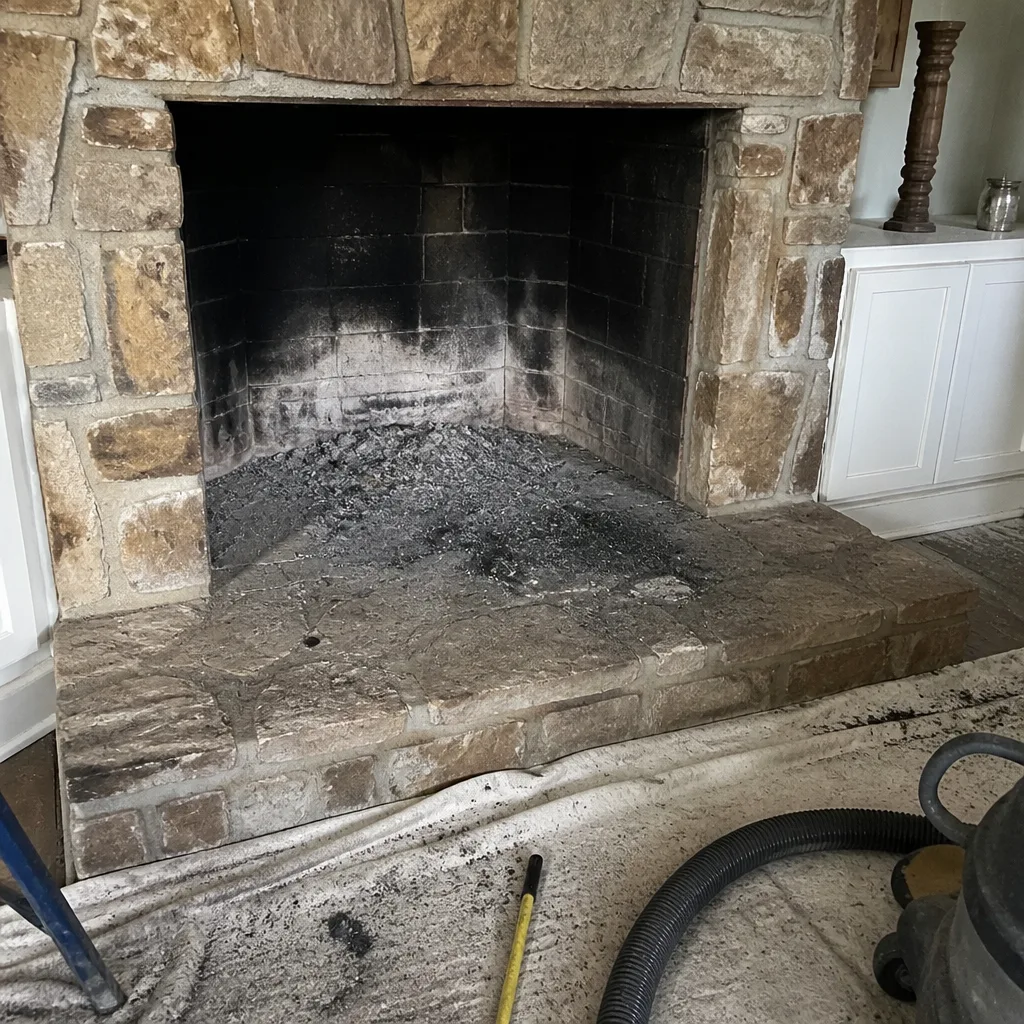
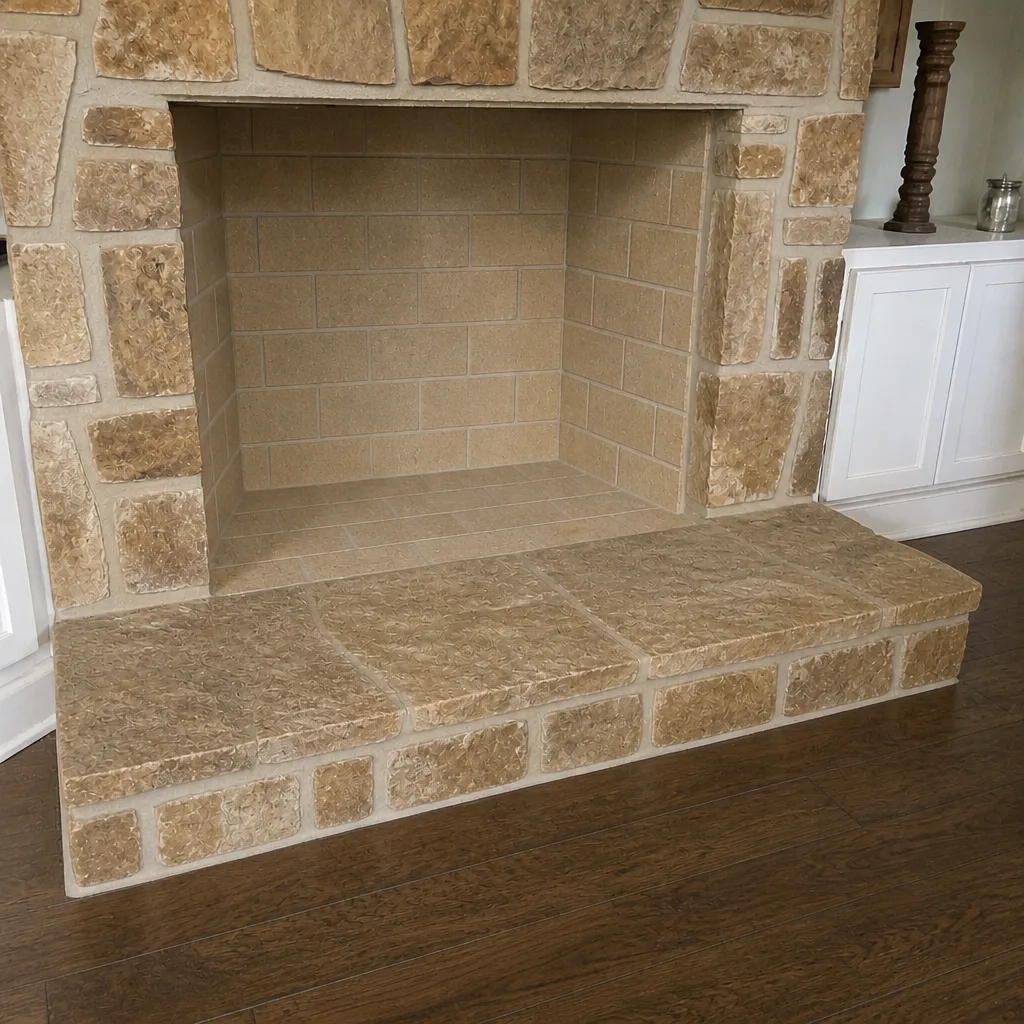
See the difference
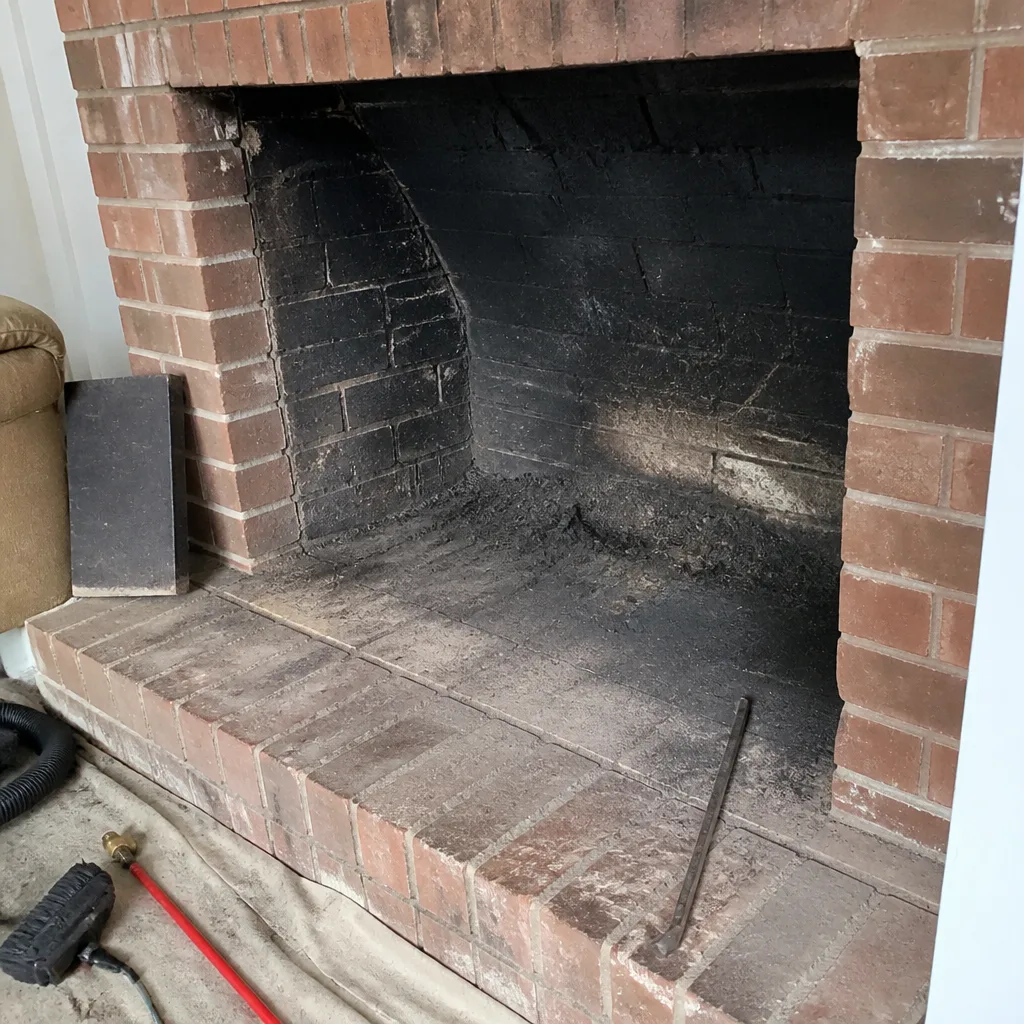 Before
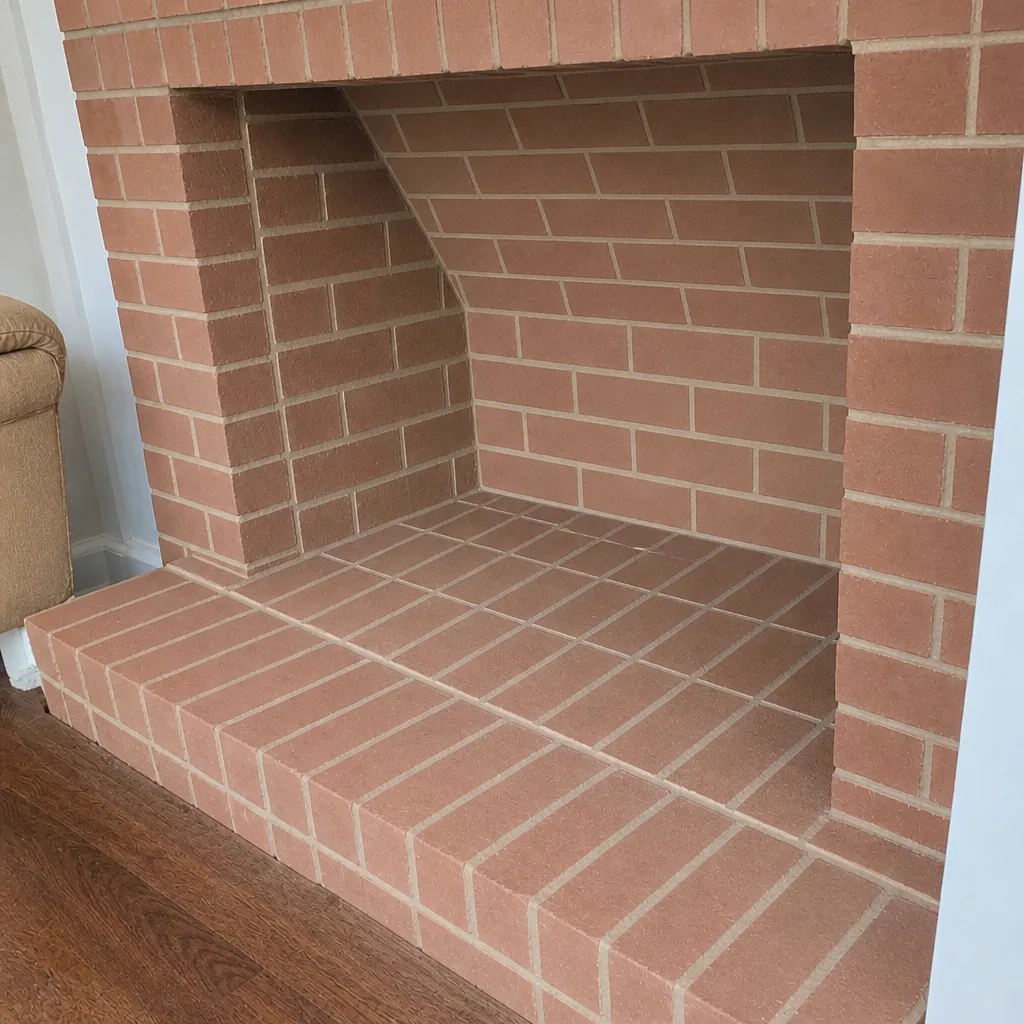 After
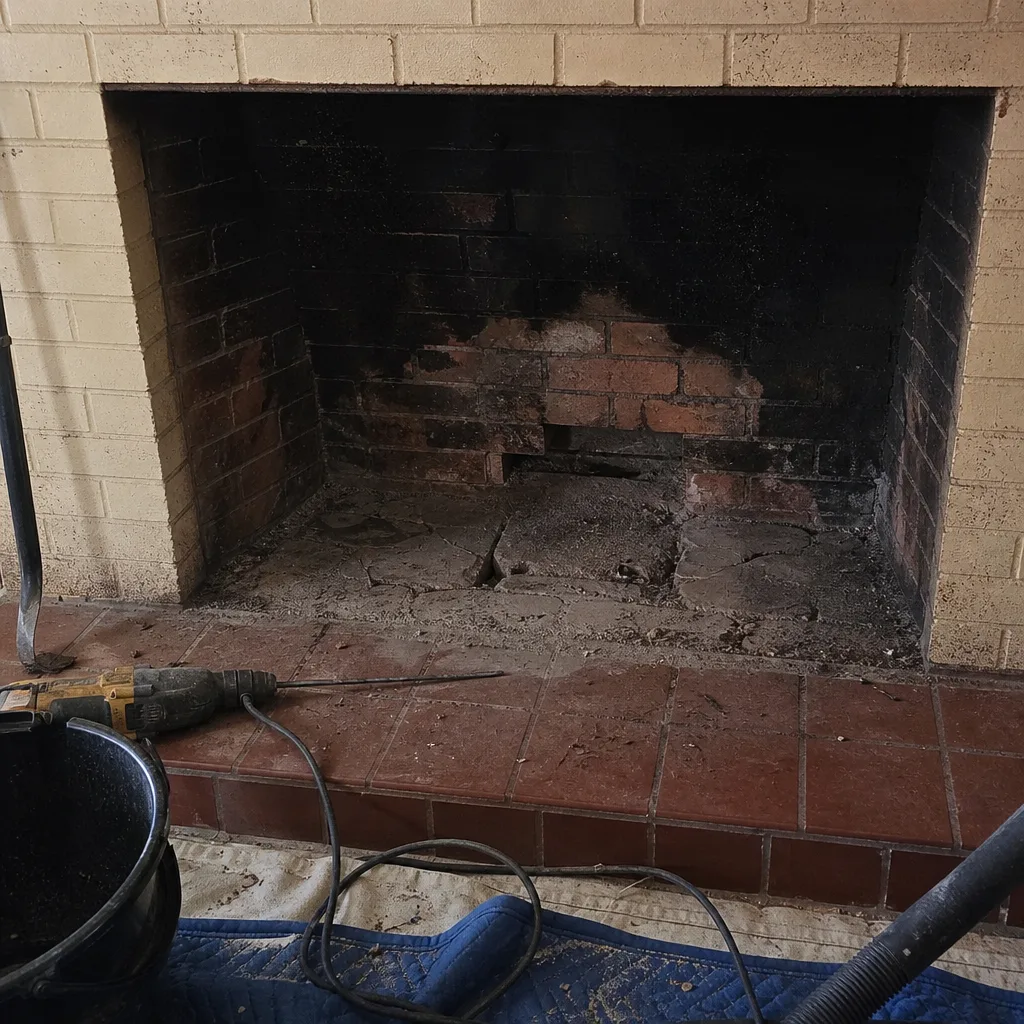 Before
 After
 Before
 After
When to Call a Professional
Call a chimney professional if the flue hasn’t been swept in over a year of regular use, if you’re hearing creosote crackle during a burn, if you smell smoke in the room instead of up the flue, or if you’re buying a home with a fireplace and don’t have a recent inspection report. Call before any planned alteration – liner replacement, insert, or cap change – so the permit question is answered before material is ordered. Call if a chimney fire has occurred, even a small one; the flue needs a Level 2 inspection before the system sees another fire. And call if a resale inspection flagged anything about the fireplace.
Chimney Sweep Tyler offers free estimates in Tyler – call (866) 389-3453. We answer 24/7. Fast dispatch from 7am to 7pm, Sunday through Friday. Closed Saturday; a call on Saturday is booked into the next opening.
Frequently Asked Questions
No. A routine chimney cleaning is maintenance, not alteration, and does not require a permit from the City of Tyler. If the technician finds something that requires alteration – a failed liner, a damaged cap that needs replacement with a different style, an appliance change – that work may trigger a permit. Call (866) 389-3453 for an exact quote on the cleaning – estimates are free.
Yes, in most cases. A liner replacement is classified as an alteration to the chimney system, not maintenance, and Tyler’s adopted IRC provisions typically require a permit for the work along with a final city inspection. Product specification sheets are usually part of the application. Call (866) 389-3453 and we can walk through what your specific installation needs before we start.
A chimney inspection evaluates the condition of the entire system – flue, liner, cap, crown, firebox – and produces a report. A city inspection verifies that permitted work was completed correctly per the code and the approved permit scope. The two serve different purposes and happen at different points in the process. Call (866) 389-3453 if you’re not sure which one applies to your situation.
It can. A home inspector during a resale will flag unpermitted chimney work, and the buyer’s lender may require it to be corrected or documented as code-compliant before closing. Keeping permits and inspection sign-offs in the home file avoids that complication entirely. Call (866) 389-3453 if you need an inspection report to document the system’s current condition.
Insurance carriers rely on the homeowner’s documentation when evaluating a claim. If there’s no recent inspection report and no permit paperwork for the liner or insert, the carrier’s adjuster has limited information to work with, and claims can stall or get contested. A current Level 2 inspection report with photos is the strongest position. Call (866) 389-3453 to schedule an inspection that documents the system’s condition.
NFPA 211 (Standard for Chimneys, Fireplaces, Vents, and Solid-Fuel Burning Appliances) is the reference standard most manufacturers and municipalities use as a baseline for chimney system installation and inspection, though the enforceable code is what Tyler has adopted. In practice, a compliant installation meets both. Call (866) 389-3453 for an estimate if you need to verify your system matches current standards.
The Bottom Line
Chimney maintenance in Tyler doesn’t need a permit. Chimney alteration does, and the difference matters more than most homeowners realize. Liner replacements, insert installations, and structural changes to the cap or chase typically require a City of Tyler permit and a final inspection. Keep the permit sign-offs and a current inspection report in the home file – both are your evidence during an insurance claim and your defense during a resale. A sweep, an inspection, and code-compliant repair handled as one sequence through Chimney Sweep Tyler keeps the paperwork clean and the system safe.
Call (866) 389-3453 for a free estimate. We answer 24/7. Fast dispatch from 7am to 7pm, Sunday through Friday.
Written by the team at Chimney Sweep Tyler.