
Last updated November 15, 2026
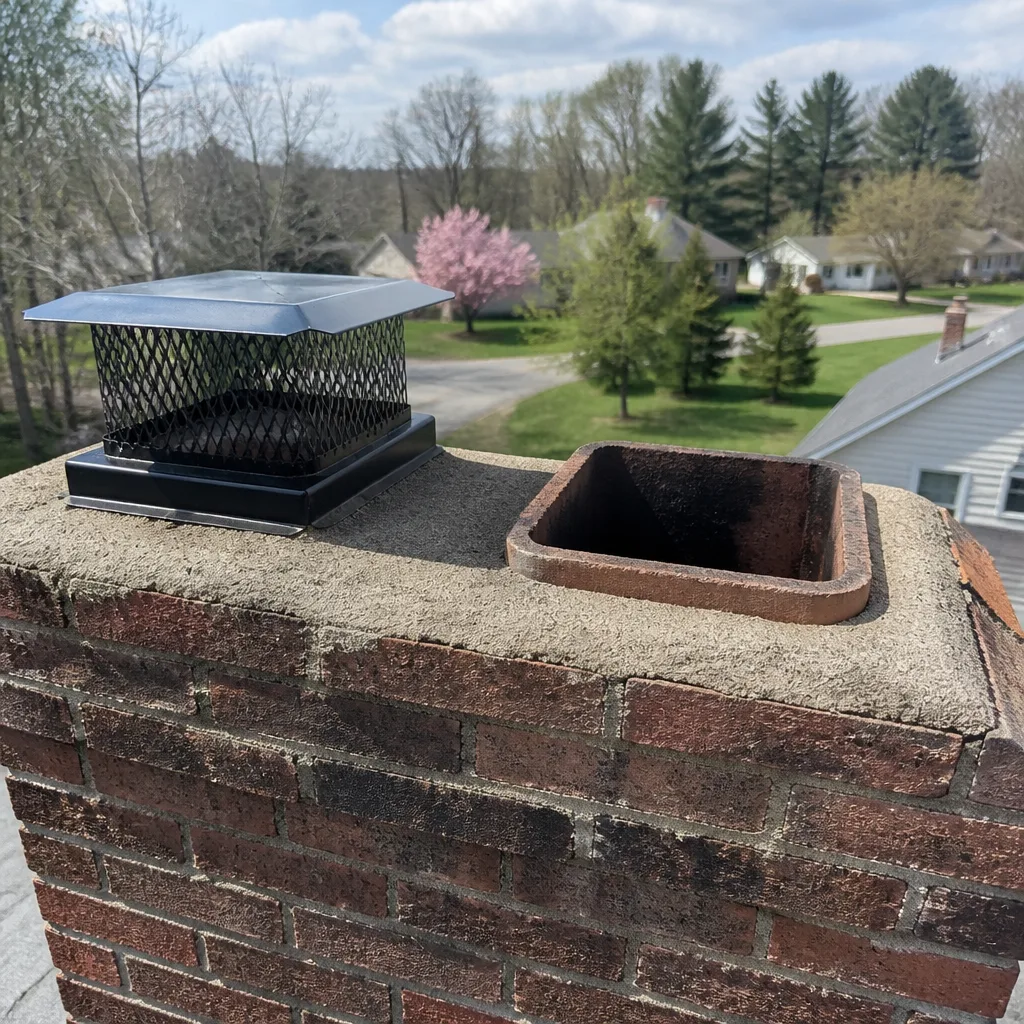 Sweep & inspection
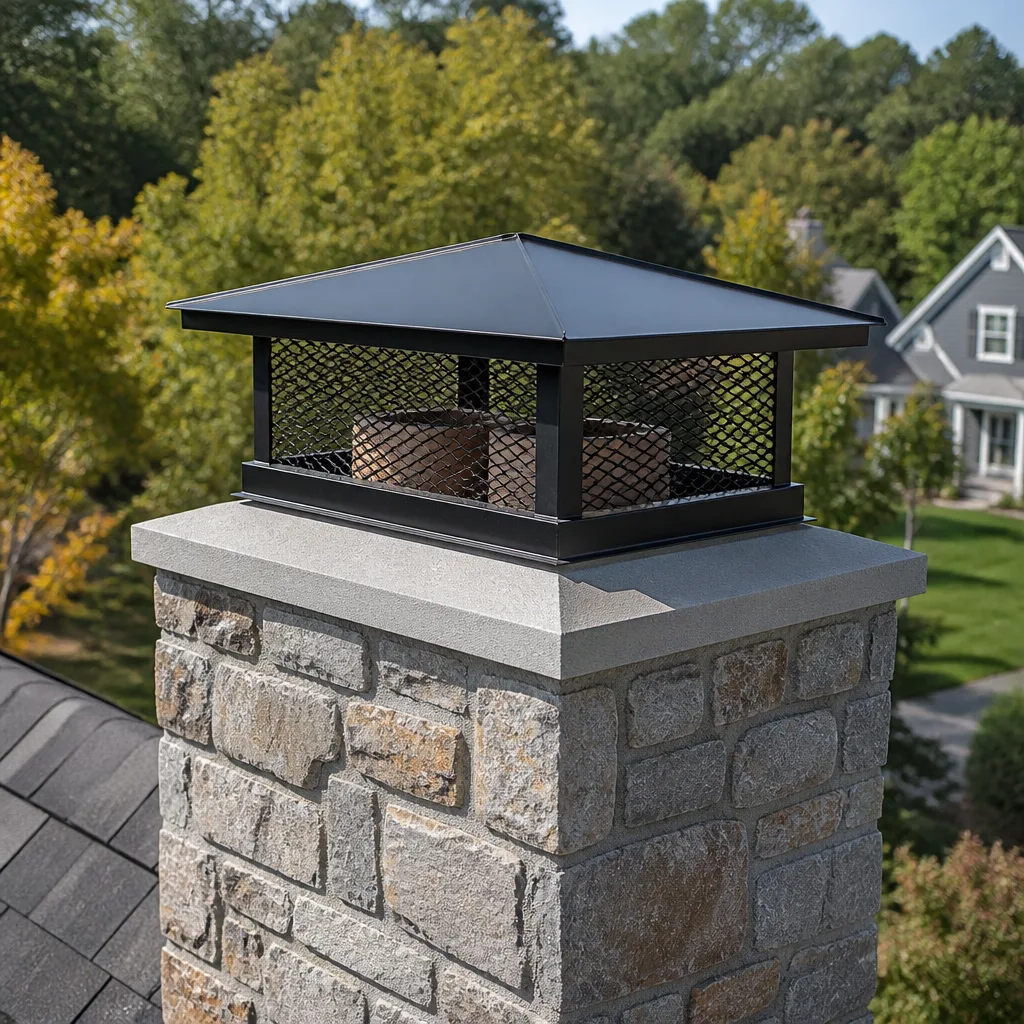 Caps & crowns
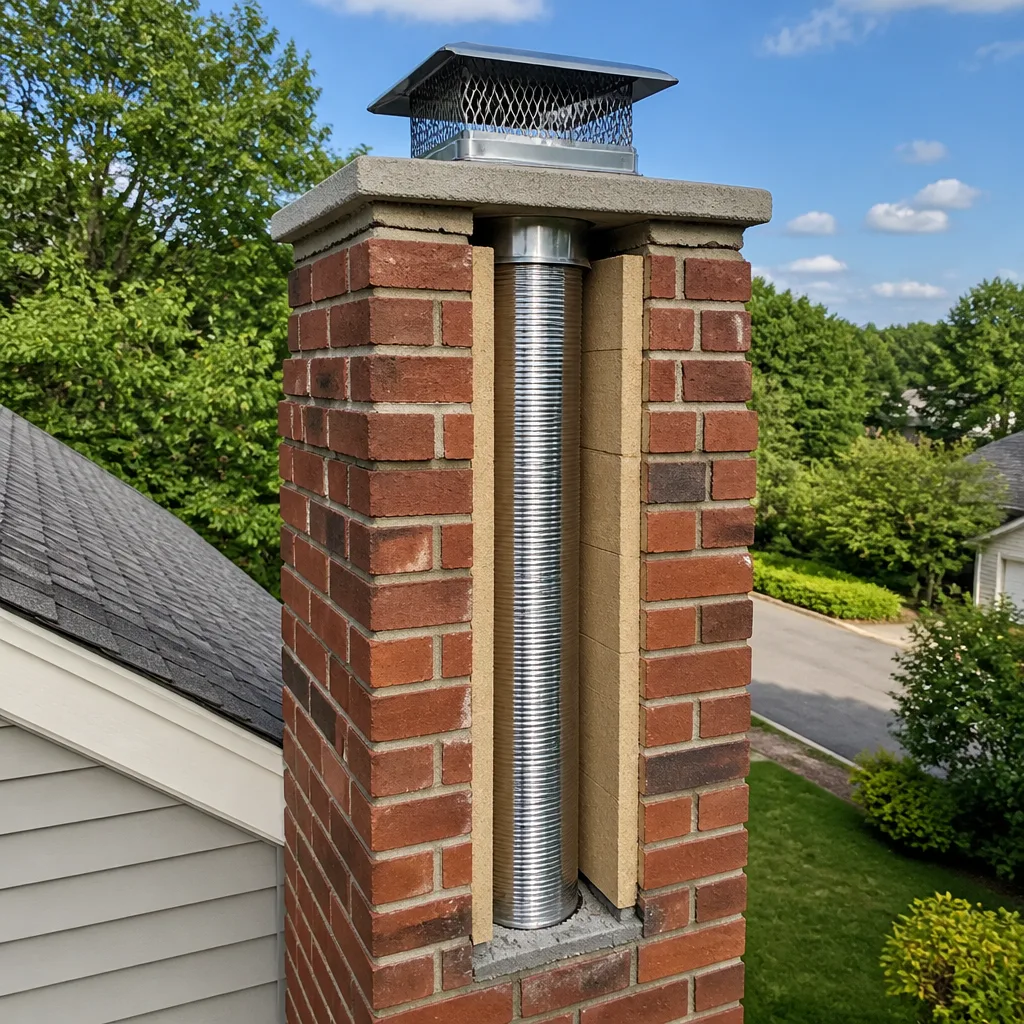 Flue relining
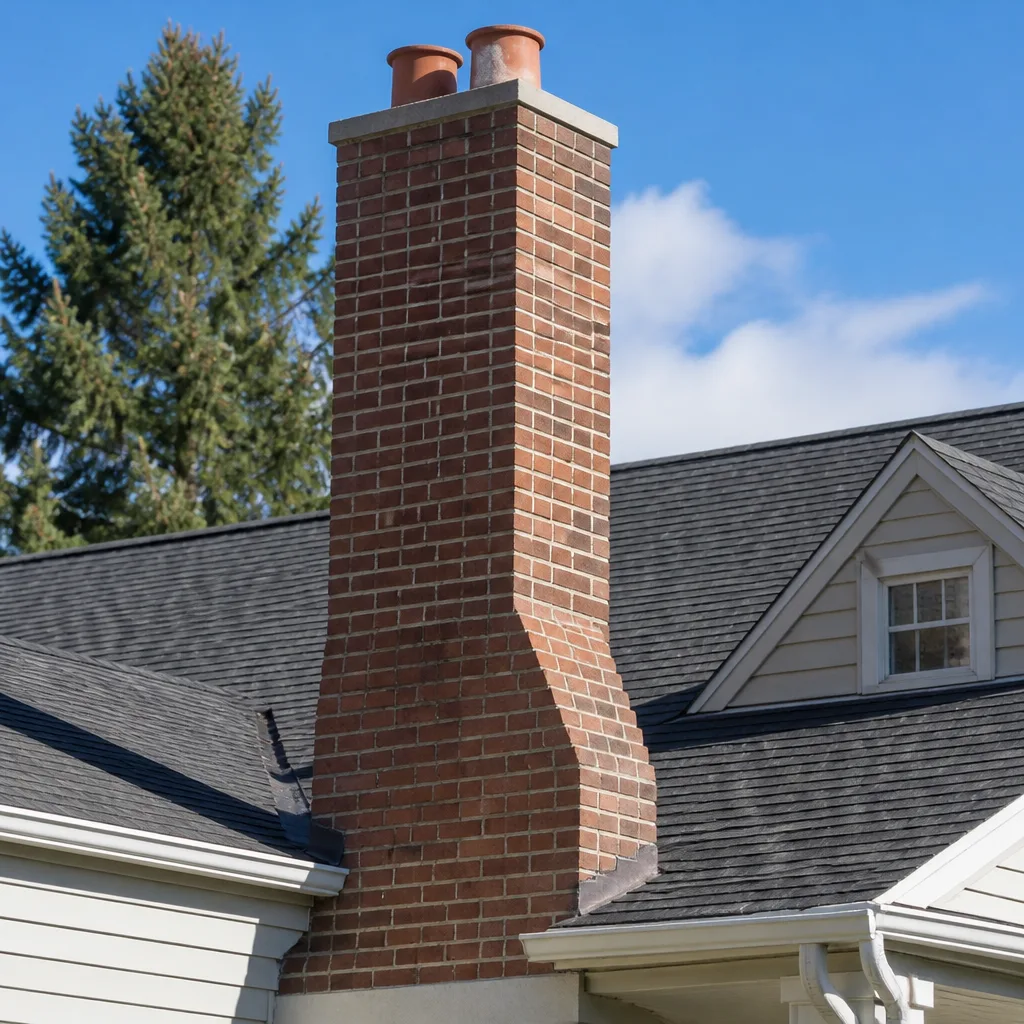 Masonry repair
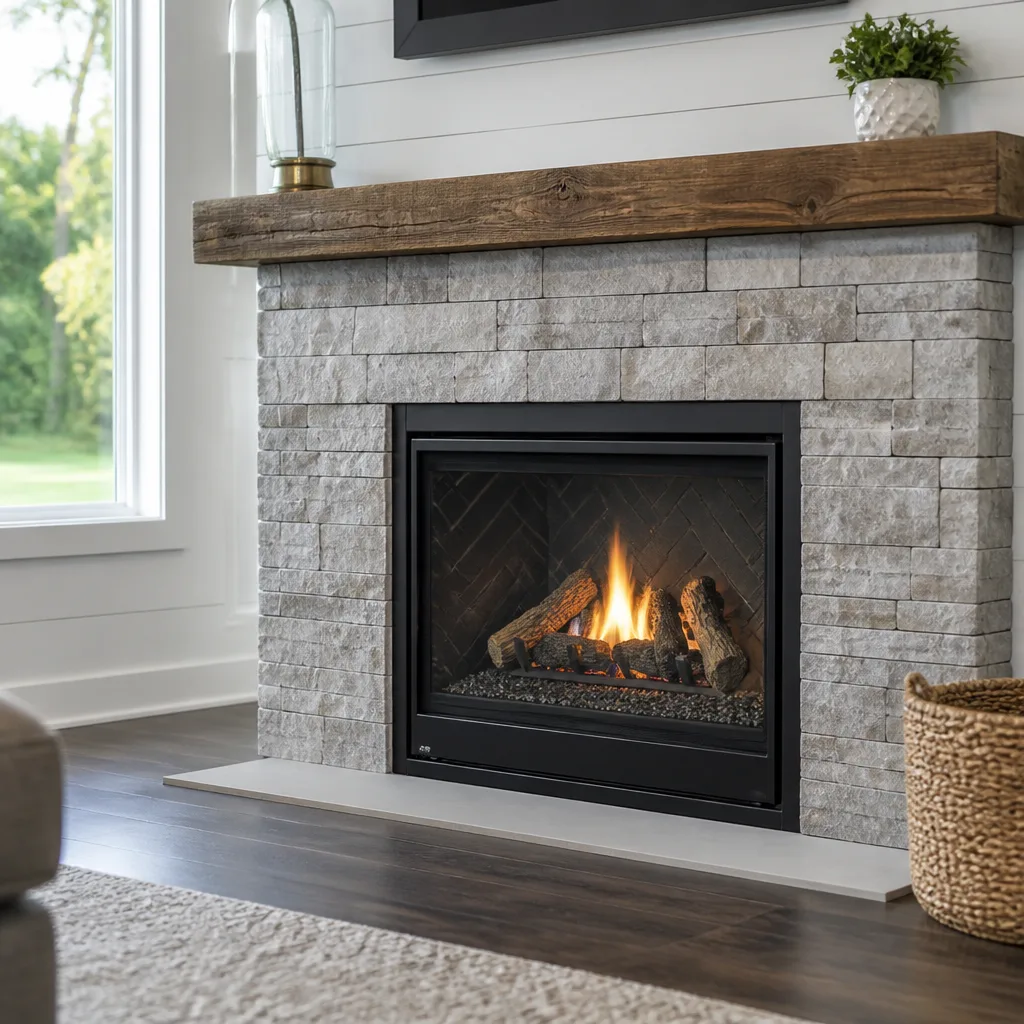 Gas fireplace service
Level 1 sweep and inspection to the NFPA 211 annual standard - flue, crown, cap, and flashing checked and photographed
Chimney sweep logs do not sweep chimneys. They loosen some creosote - which then falls where a brush and vacuum still have to collect it.
Chimney Sweep Maintenance Schedule: What to Do and When
The worst time to discover your chimney cap is rusted through is the first cold morning you light a fire in October. But that damage happened in June, during three weeks of Tyler rain that nobody thought to plan around. A single annual sweep is not a maintenance schedule. It’s one task on a calendar that should run all four seasons, with each season doing a distinct job. This guide lays out the actual calendar Tyler homeowners should follow, what you can check yourself versus what needs a technician, and how firewood, inspections, and liner condition fit into the same plan.
Styles & brands we work with
- Sweep & inspection
- Caps & crowns
- Flue relining
- Masonry repair
- Gas fireplace service
Quick Answer
A chimney maintenance schedule runs across all four seasons, not just one annual sweep. In Tyler, that means a visual check in spring after the burn season ends, a sweep and Level 1 inspection in late summer or early fall before first use, and periodic checks through winter during heavy burn periods. Firewood should be cut and split at least six to twelve months before burning. Any new appliance install, real estate transaction, or storm damage triggers a Level 2 inspection regardless of the calendar.
Table of Contents
- Why a Single Annual Sweep Isn’t a Schedule
- The Tyler Month-by-Month Chimney Calendar
- Seasonal Tasks: What Each Season Actually Asks of You
- What You Can Check Yourself vs. What Needs a Technician
- Firewood Seasoning and How It Changes Your Sweep Frequency
- Level 1 vs. Level 2 Inspections and the Events That Trigger Them
- Tracking Liner Condition Year Over Year
- How Often Should a Chimney Actually Be Swept?
- Common Mistakes to Avoid
- When to Call a Professional
- Frequently Asked Questions
- The Bottom Line
Why a Single Annual Sweep Isn’t a Schedule
Most homeowners treat the annual chimney sweep as the whole job. Book it, get it done, forget it until next year. That works if nothing changes between visits. In practice, a lot changes in a chimney over twelve months, especially in East Texas where the burn season is short but the off-season is long and humid.
Creosote is the obvious thing a sweep removes. But a chimney is also a building assembly exposed to weather year-round: a crown that cracks, flashing that lifts, a cap screen that rusts, mortar joints that weather. None of those failures announce themselves. They happen quietly between sweeps, and the first sign is usually water on the firebox floor or a draft that won’t pull. When you find damage at the first cold morning, the repair is bigger than it would have been if you’d caught it in spring.
A real maintenance schedule distributes the work across the year so each season catches what the previous one exposed:
- Spring closes out the burn season and catches winter wear before summer weather makes it worse.
- Summer is the off-season for monitoring the exterior of the system – cap, flashing, crown, mortar.
- Fall prepares the system for first use: sweep, inspect, test draft, confirm fuel is ready.
- Winter is the heavy-use period where mid-season checks matter most.
We work on residential chimney and fireplace systems across Tyler, and the pattern is consistent: the homeowners who come out of winter with no surprises are the ones who did more than one thing a year. If you’re starting from scratch, Chimney Sweep Tyler is a reasonable place to begin mapping your first full cycle.
The Tyler Month-by-Month Chimney Calendar
Here’s what the calendar looks like in practice. This is written for a household with a wood-burning fireplace or insert used through the winter, adjusted for Tyler’s mild winters and long humid summers. Your exact dates shift with your burn habits, but the sequence holds.
- January – mid-season check. During heavy burn weeks, look up into the firebox before each fire. If you can see a thick, glassy, or flaky buildup on the flue walls, it’s time for a sweep mid-season. Creosote accumulates faster during sustained use than during the occasional evening fire.
- February – late-season awareness. If your burn season runs into February, the same check applies. Watch for draft that gets harder to pull, smoke rolling into the room when you open the door, or a fire that wants to smolder. Those are signs the flue is closing up.
- March – end-of-season closeout. After your last fire of the season, sweep. Cleaning at the end of the season, not the beginning of the next one, removes creosote before it sits through the humid months. Creosote left in a chimney over an East Texas summer has months of warm, humid air to work on, and some forms become harder to remove with time.
- April – exterior check. From the ground, look at the chimney cap, the flashing at the roofline, and the crown. Rusted caps, lifted flashing, and cracked crowns are the top spring findings. Catch them before summer rain gets in.
- May – firewood planning. If you cut your own wood or buy in bulk, this is when the next season’s fuel should already be split and stacked. More on that below; it’s the single biggest variable in how fast your flue builds creosote.
- June – interior moisture check. Look at the firebox floor and the damper. Any sign of water staining, mustiness, or efflorescence (the white powdery residue on masonry) points to a leak from above. That’s a repair, not a cleaning item.
- July – inspection scheduling. Book your pre-season sweep and Level 1 inspection now. The weeks before first cold are the busiest window of the year, and getting it on the calendar in July means it’s done by early fall.
- August – sweep and inspect. Get the sweep and inspection done with a month or two of margin before first use. If the inspection turns up a repair, you have time to schedule it without pressure.
- September – draft test. Before first fire, open the damper, feel for a strong pull, and check that the firebox and flue are unobstructed. If something nests in the flue over the off-season, this is when you find it.
- October – first fire. Light the first fire of the season with the system clean and checked. This is the moment when a bad cap, a cracked crown, or a clogged flue announces itself. If anything feels wrong, stop and get it looked at.
- November – fuel check. As the burn season ramps, confirm the wood you’re burning is dry. Sizzling, hard-to-light wood is wet wood, and wet wood builds creosote faster.
- December – peak-use mid-check. Same firebox check as January. If you’re burning regularly, creosote builds faster now than at any other time of year.
Not every item applies to every home. A gas appliance, for example, doesn’t build creosote and doesn’t have a firebox you can inspect for it. The point is that the year has structure, and the structure is what prevents the October surprise.
Seasonal Tasks: What Each Season Actually Asks of You
Here’s the same calendar compressed by season, with the reasoning behind each task. This is the version to keep taped inside a cabinet.
Spring: Close out winter and stop water damage
Spring’s job is to remove what winter left behind and to catch anything that’s about to get worse over the humid months. End-of-season sweep. Ground-level exterior check on the cap and flashing. Firebox moisture check. This is also when you order or plan firewood for the next season, because the seasoning clock is long.
Summer: The exterior monitoring season
Summer in Tyler is long, warm, and humid. That combination is the worst thing for masonry and metal components that spend the rest of the year protected by heat and dry air. Rusted caps, degraded flashing sealant, and hairline crown cracks all get worse in summer. Look at the chimney from the ground once a month. If you see something you don’t like, get it on the schedule before fall.
Fall: Prepare for first use
Fall is when the sweep and Level 1 inspection should be complete. The system gets tested under actual use. The firewood should be confirmed dry. The damper should be exercised. Any repair flagged in the inspection should be finished. The goal is to start the burn season with a system you know the condition of, not one you’re hoping is fine.
Winter: Monitor, don’t ignore
Winter is the heavy-use period, and the mid-season check matters more than people think. Before each fire, glance up into the firebox. If the flue throat looks heavily coated, if the fire struggles to draft, if smoke backs into the room when you open the door, stop using it and get a sweep. A mid-season sweep is not a failure of the schedule. It’s the schedule working. Plenty of Tyler chimneys need two sweeps in a cold winter because the household burns a lot of wood.
What You Can Check Yourself vs. What Needs a Technician
This is where homeowners get sold services they don’t need, or skip ones they do. The line between what you can safely check and what requires a trained technician is clear enough to describe, and knowing it puts you in control of your own maintenance.
Owner-performed checks
These are things any homeowner can do by looking, without tools, without climbing, and without opening anything:
- Ground-level exterior inspection. Look at the cap, the screen, the flashing where the chimney meets the roof, and the crown at the top. You’re looking for rust, looseness, cracks, gaps, staining, or anything visibly missing. This is a photo-from-the-driveway level check.
- Firebox visual check. Open the damper, look up. You can see the smoke chamber and firebox walls. Look for heavy coating, flaking, or anything blocking. Do not put your head in the firebox or reach into the flue.
- Moisture signs. Water stains on the firebox floor, musty smells, or white efflorescence on masonry are all visible without tools.
- Draft test. Open the damper. Does air pull upward? A strong, clean pull suggests a clear flue. A weak pull, no pull, or smoke backdraft on the first fire requires attention.
- Firewood moisture. You can check this with a cheap moisture meter, or by the sizzle test on a split piece.
Technician-required work
These are the tasks that need training, equipment, or both. Don’t attempt them:
- Roof-level work. Anything that requires climbing onto the roof – cap replacement, flashing repair, crown repair – is a job for a technician with the right equipment and training.
- Flue access. Sweeping the flue with the proper brushes and rods is a hands-on job that needs a trained technician. Do not attempt to sweep a flue yourself. The tools are specialized, the interior surfaces are easy to damage, and a brush that grabs or snags against a damaged liner can leave you worse off.
- Any liner work. Inspecting liner condition, assessing cracks and gaps, and evaluating whether a liner needs relining are jobs for a technician. Liner failure is a serious safety issue; the professional judgment isn’t something you can replicate with a flashlight.
- Gas appliance work. Any gas line or vent check requires a trained technician. Do not attempt it.
For the work the technician does, the same team handles chimney sweep and inspection on the same visit. If a repair is flagged, it’s in the same house call window with chimney repair, not a separate booking. That continuity is the point.
Firewood Seasoning and How It Changes Your Sweep Frequency
Here’s the connection most homeowners miss: the wood you burn in November was cut at some point. If it was cut in September, it’s green wood. Green wood burns cool and wet. Wet wood deposits more creosote on the flue walls than dry wood, and it does so faster. That means a chimney fed green wood all winter needs a sweep sooner than one fed properly seasoned wood.
The correct seasoning timeline:
- Cut and split in spring or early summer. Splitting exposes more surface area to air, and surface area is what drives drying.
- Stack it off the ground with airflow on all sides. Bark-side up, top covered loosely, sides open. A covered stack that traps moisture is worse than no cover.
- Let it sit through a full warm season. In East Texas, six months of warm weather does a lot. Twelve months is safer. Hardwoods season more slowly than softwoods.
- Confirm it’s dry before you burn it. A moisture meter reading under about 20% is a good target. The less formal check is the sizzle test: tap a split piece of wood against another. A sharp crack means dry. A dull thud means wet. If the piece hisses or steams when it burns, it’s not dry.
Why this matters for sweep frequency: a household burning well-seasoned hardwood in a properly drafting chimney may need one sweep a year. The same household burning green wood or damp wood may need two, because creosote builds much faster. The sweep frequency isn’t fixed by the calendar. It’s driven by what you put in the firebox and how hot you burn.
If you’re not sure whether your current wood is ready, the answer is usually to buy another season’s worth now and let this winter’s wood keep drying. Yes, it’s frustrating to buy wood you won’t burn until next year. It’s much less frustrating than a mid-season sweep and a flue that’s building creosote faster than it should.
Level 1 vs. Level 2 Inspections and the Events That Trigger Them
Inspection standards are described in tiers, and it matters which one you’re getting. These aren’t upsells – they cover different things. Knowing the difference means you’ll recognize when a Level 2 is genuinely required versus when a Level 1 is enough.
Level 1 inspection
A Level 1 is the standard inspection performed during an annual sweep. It covers the readily accessible portions of the chimney and venting system: the firebox, the smoke chamber, the visible portions of the flue, the damper, and the exterior components you can see without moving anything. It’s what you get on a routine annual service. If nothing has changed and you’re using the system normally, a Level 1 is the right tier.
Level 2 inspection
A Level 2 goes further. It covers everything in a Level 1 plus the accessible portions of the chimney that aren’t visible in ordinary use, including areas that require access to the attic, crawlspace, or roof, and includes video scanning of the flue interior where needed. A Level 2 is triggered by specific events, not by your annual maintenance cycle:
- New appliance install. A new fireplace insert, stove, or appliance changes the load on the chimney and the combustion characteristics. A Level 2 documents the starting condition.
- Real estate transaction. Buyers and their agents expect a documented inspection, not a hand-wave. A Level 2 with documented findings protects both sides.
- Storm damage. Any visible exterior damage, water intrusion, or a chimney strike requires a Level 2 to assess internal condition.
- Change in fuel or a liner change. Converting between fuel types or relining means documenting the full flue.
- A prior inspection finding that requires follow-up. If a Level 1 flagged a concern, the follow-up scan is typically a Level 2.
If you’re not sure which one applies, the honest answer is that a technician should tell you the reason for the tier, not just the tier. If you’re being told you need a Level 2 without a stated trigger, ask what triggered it.
Tracking Liner Condition Year Over Year
Liner degradation is slow, quiet, and easy to miss. A liner that’s fine in year one can have a hairline crack by year four, and the first symptom is often poor draft or smoke spillage, not a visible problem. The way to catch it before it becomes a surprise is to document it.
Photos taken at each inspection give you a baseline. Every year, the technician should photograph the accessible portions of the liner, the smoke chamber, the crown, the flashing, and any repaired areas. Comparing this year’s photos against last year’s tells you whether a hairline crack is stable or whether it’s growing. Aggrading liner is a repair conversation, not an emergency. A liner that fails suddenly is usually a liner that was documented as degrading and nobody was tracking it.
When a liner does need attention, the right fix depends on the wear mode. A localized surface degradation – the liner is sound but has surface damage – may be a candidate for resurfacing with the HeatShield system, which restores the inner surface without a full reline. More extensive failure generally needs a new liner, and the brand and material that fits depends on the appliance. DuraFlex flexible liner systems are common for appliance upgrades and relining where the flue geometry calls for them. The right answer is the one the technician can show you in photos and in writing, not the one that happens to be on hand.
If you’re documenting liner condition for the first time this year, ask the technician to shoot photos on every visit. It’s a small ask and it pays off over years.
How Often Should a Chimney Actually Be Swept?
Once a year if you burn occasionally, twice a year if you burn regularly, and more often if the firebox visual shows rapid buildup. That’s the short version. The longer version is that sweep frequency is driven by four things, and knowing them lets you predict your own schedule.
- How much wood you burn. A household burning a few fires a month in winter needs less frequent sweeps than one burning nightly.
- How dry the wood is. Seasoned wood builds creosote slowly. Green or damp wood builds it fast.
- How hot you burn. A fire run hot and clean deposits less than a smoldering fire choked back with the damper.
- The appliance. A fireplace insert burns differently from an open hearth, and an older unit typically builds creosote faster than a newer one.
How often to schedule a sweep in Tyler: for most households with a wood-burning appliance, once at end-of-season in spring and once at pre-season in late summer or early fall. That’s a schedule built around the burn calendar, not just a single annual booking. It sounds like double work. It’s actually the same total visits for many households, just re-timed to catch damage earlier.
Here’s the one clear rule of thumb: if you can see visible buildup that looks like a quarter-inch or thicker of coating on the flue walls, it’s time for a sweep regardless of the calendar. A clean chimney is a measurable thing, not a feeling.
Common Mistakes to Avoid
- Waiting for the first cold morning to schedule a sweep. The weeks before first use are the busiest window of the year. By the time October arrives, you’re competing for a slot and any repair the sweep turns up has no margin. Book by July.
- Skipping the spring sweep because the firebox looks clean. Creosote sits in the flue, not just the firebox, and it has all summer to set up. Sweep at the end of the burn season and the humidity doesn’t get a chance to work on it.
- Burning green wood because the calendar says it’s burn season. A wet wood fire burns cool and lays creosote on the flue walls much faster than a seasoned wood fire. Cut and split firewood at least a full warm season ahead.
- Never looking at the exterior of the chimney. Cap rust, flashing lift, and crown cracks are visible from the ground. Months of East Texas summer rain will find any gap you didn’t check.
- Assuming a Level 1 inspection covers everything. Level 1 covers what you can see in ordinary use. A new appliance, a real estate transaction, or storm damage triggers a Level 2, which is a different scope.
- Not photographing the liner year over year. A liner that’s silently degrading looks the same on a single visit as one that’s stable. Repeated photos turn a hidden failure into a documented trend.
- Poking a flashlight into the flue and calling it an inspection. There’s no substitute for an actual trained inspection. A visible-from-below check tells you if the firebox is blocked. It doesn’t tell you if the flue has a crack a few feet up.
When to Call a Professional
Call when the calendar calls for it, and call sooner if any of these specific things happen: smoke rolls into the room when you open the firebox door, the fire drafts poorly or won’t stay lit, you can see heavy coating on the firebox or smoke chamber walls, there’s water staining or musty smell in the firebox, there’s visible damage to the cap, flashing, or crown, the flue is blocked by a nest or debris, or you’ve had a chimney fire. A chimney fire is often reported by the homeowner as a low rumble or a sound like distant thunder – if that happens, stop using the fireplace and get it inspected. Any new appliance install, real estate transaction, or storm damage is also a professional call, because those trigger a Level 2 inspection.
Our technicians have up to 11 years of experience on residential chimney systems. Chimney Sweep Tyler offers free estimates – call (866) 389-3453. We answer 24/7. Fast dispatch from 7am to 7pm, Sunday through Friday.
Frequently Asked Questions
Once a year if you burn occasionally and twice a year if you burn regularly, split roughly into an end-of-season sweep in spring and a pre-season sweep in late summer or early fall. If firebox visual checks show heavy coating during the burn season, add a mid-season sweep regardless of the calendar. Call (866) 389-3453 for an exact quote – estimates are free.
A routine sweep is normally an affordable, single-visit service, and the exact price depends on the appliance, the flue condition, and whether an inspection is bundled. Because we don’t publish prices for services that vary by job, the honest answer is that the written estimate is what sets the price and the estimate is free. Call (866) 389-3453 for yours.
Only if the liner is genuinely failing, and “genuinely failing” should be documented in photos and video, not just stated. Surface-level degradation can often be resurfaced with HeatShield without a full reline. A more extensive failure may need a new liner. The right answer for your chimney depends on what the inspection shows, and if the answer is “not yet,” we’ll tell you that. Call (866) 389-3453 for a free estimate.
Skipping a year doesn’t automatically cause a problem, but it removes your chance to catch slow failures early. Creosote builds up thicker, water intrusion goes unnoticed through the humid months, and small liner issues can progress to larger ones. The cost of catching it in year two is usually much lower than the cost of finding it years later. Call (866) 389-3453 and we’ll get you back on the schedule – the estimate is free.
A Level 1 inspection covers the readily accessible parts of the system during an annual service, and a Level 2 goes further into accessible areas and often includes video scanning of the flue. A Level 2 is triggered by the events listed in the inspection section of this guide – a new appliance, a real estate transaction, storm damage, a fuel change, or a follow-up to a prior finding. Call (866) 389-3453 if you’re not sure which one you need – estimates are free.
Both is the schedule-coherent answer, and the priority is the end-of-season sweep in spring. Sweeping after the last fire removes creosote before the humid months have time to work on it, and the pre-season sweep in late summer confirms the system is ready for first use. If you only do one, do the spring sweep. Call (866) 389-3453 for a free estimate.
The Bottom Line
A chimney maintenance schedule is a four-season calendar, not a single annual sweep. In Tyler, that means sweep at end-of-season and pre-season, check the exterior once a month through summer, cut and split firewood a full warm season ahead, photograph the liner year over year, and know which inspection tier applies to your situation. The sweep-inspect-repair loop works best when the same team handles all three, so nothing gets lost between the inspection and the fix. The right materials for the job matter too – Famco and Copperfield components for caps and venting, HeatShield for liner resurfacing where it fits, DuraFlex flexible liner systems for appliance upgrades and relining where the flue calls for it. If you’re due for the next visit on your calendar, call (866) 389-3453. We answer 24/7. Fast dispatch from 7am to 7pm, Sunday through Friday. Estimates are free, and the written estimate sets the price.
Written by the team at Chimney Sweep Tyler.
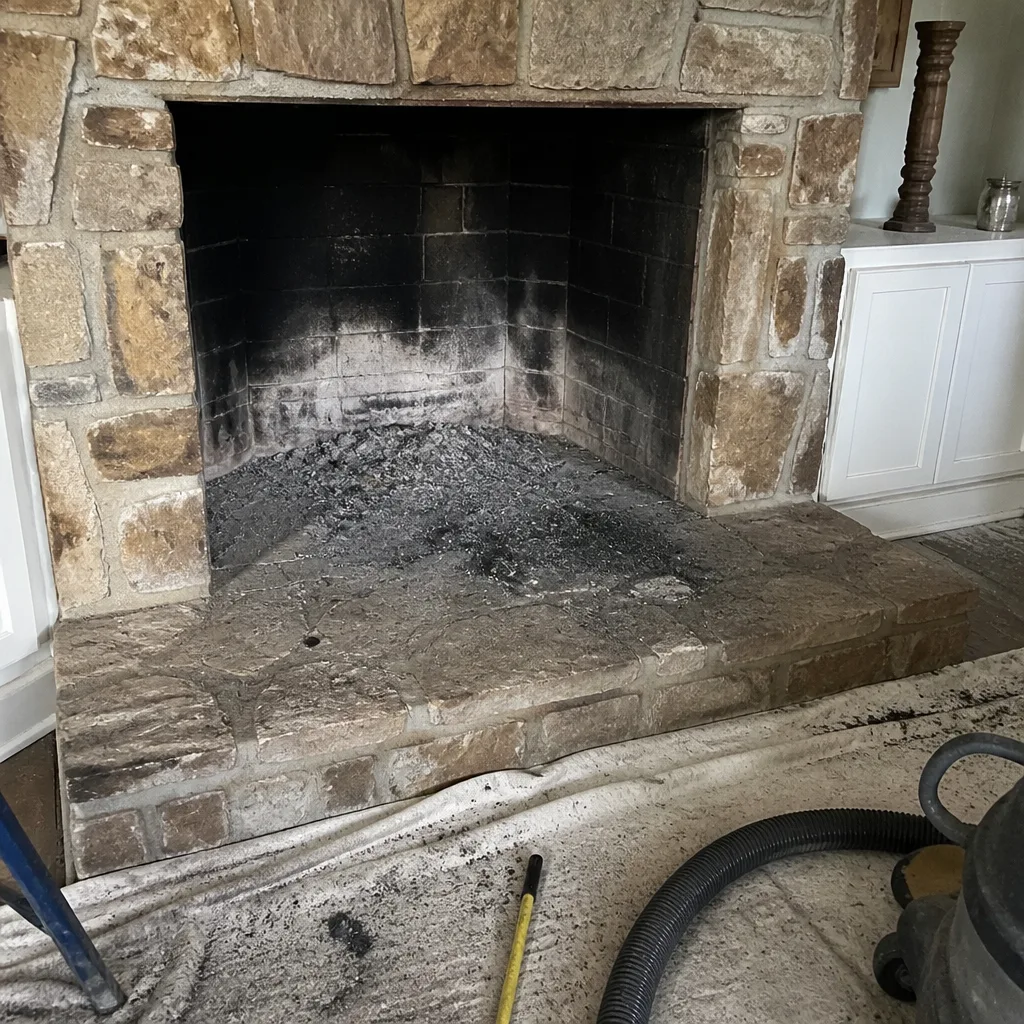
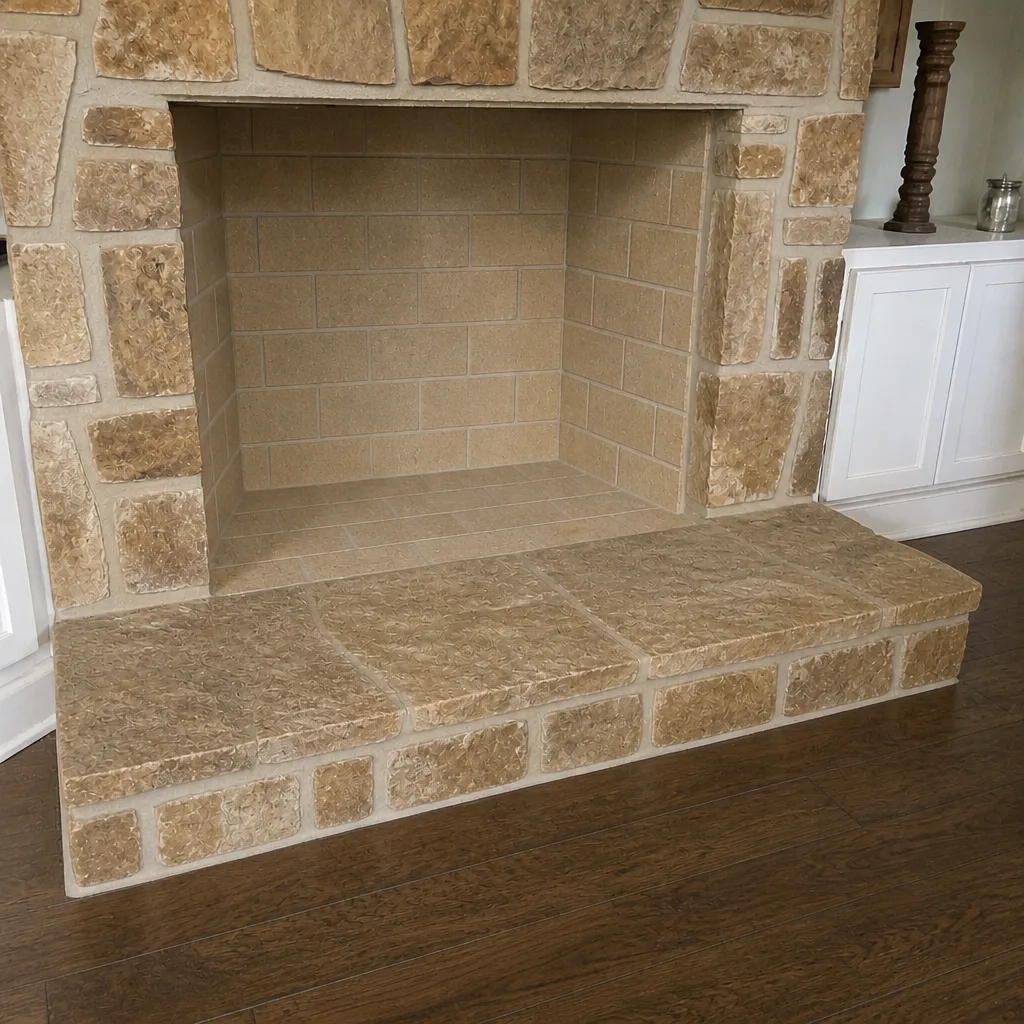
See the difference
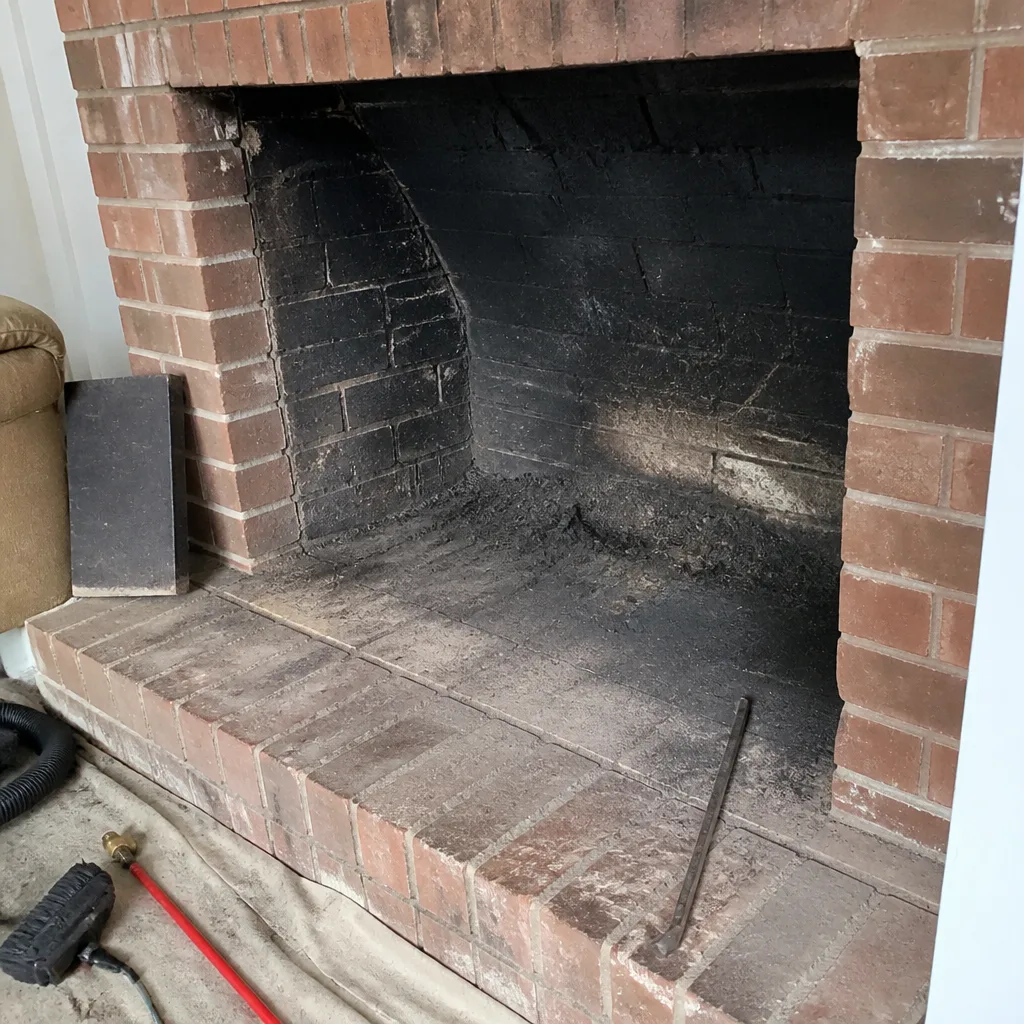 Before
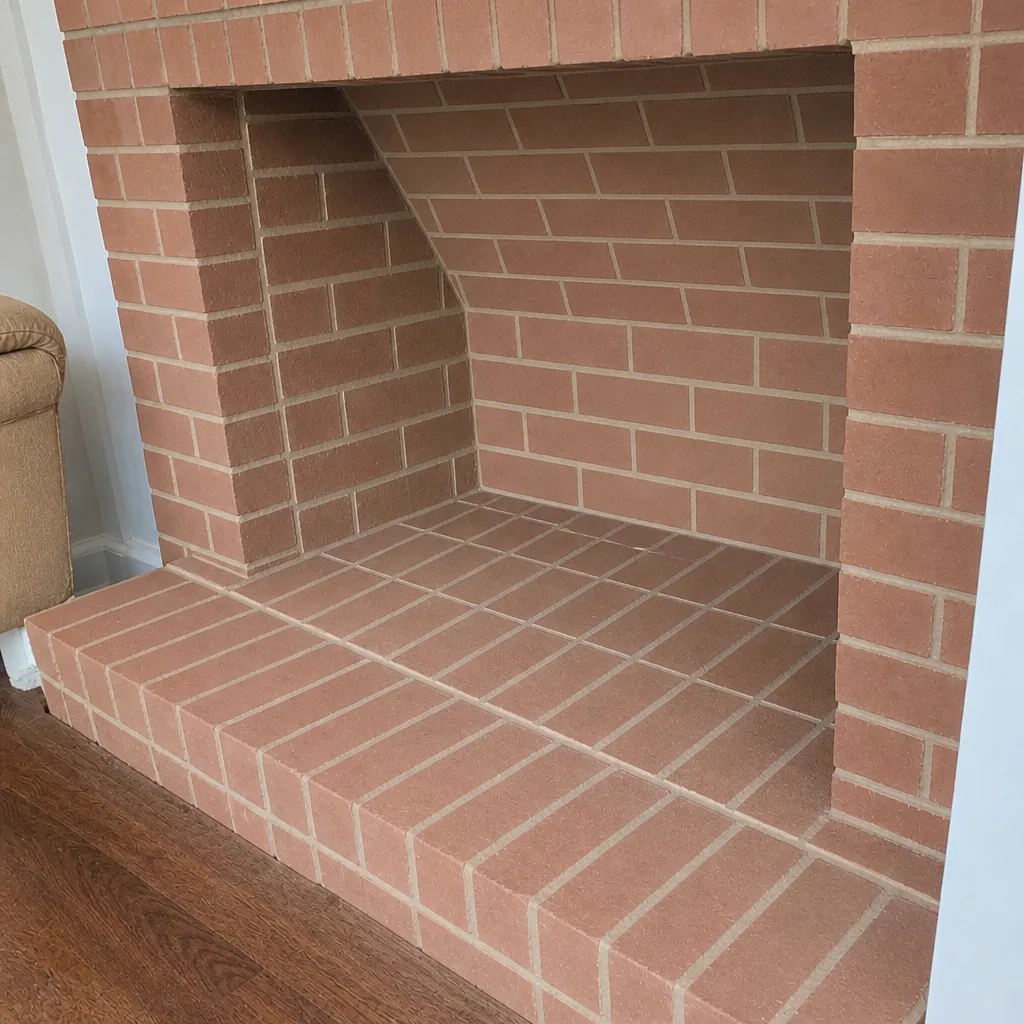 After
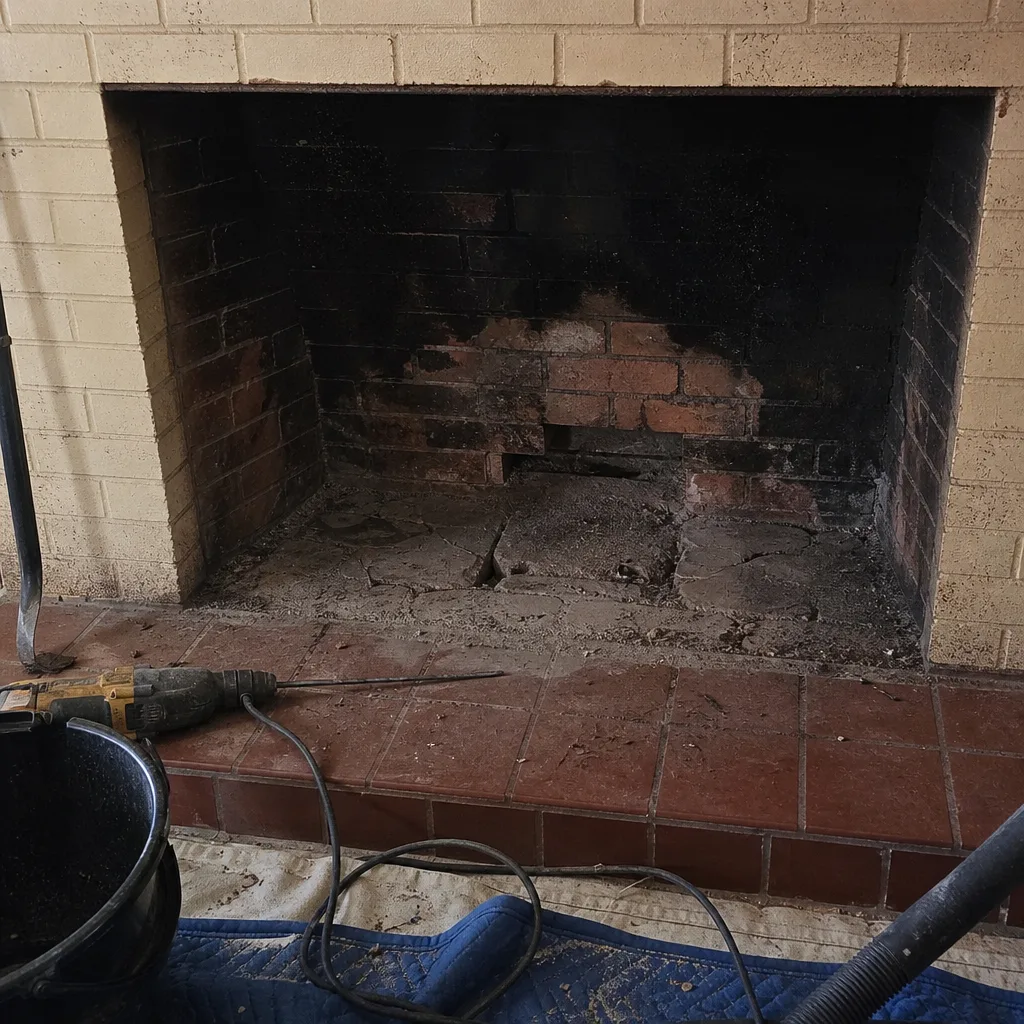 Before
 After
 Before
 After