
Last updated November 15, 2026
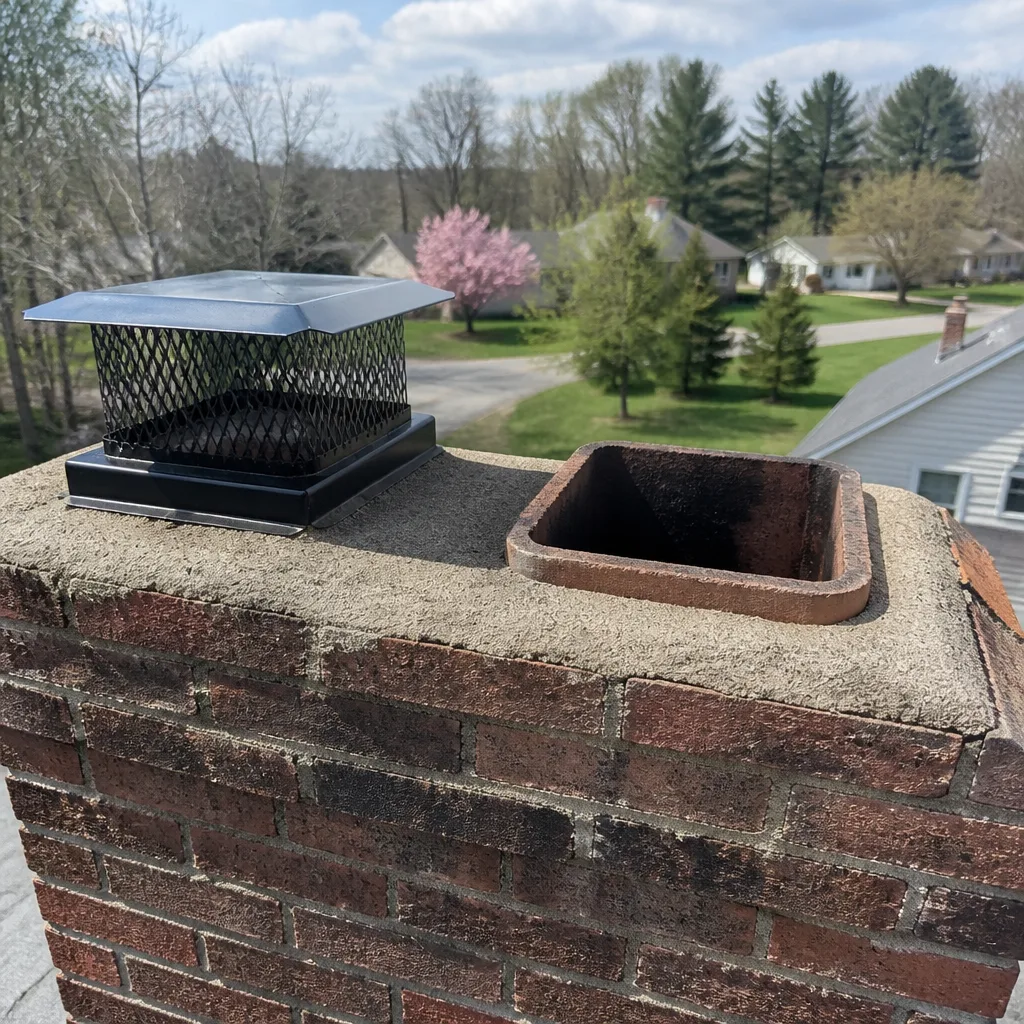 Sweep & inspection
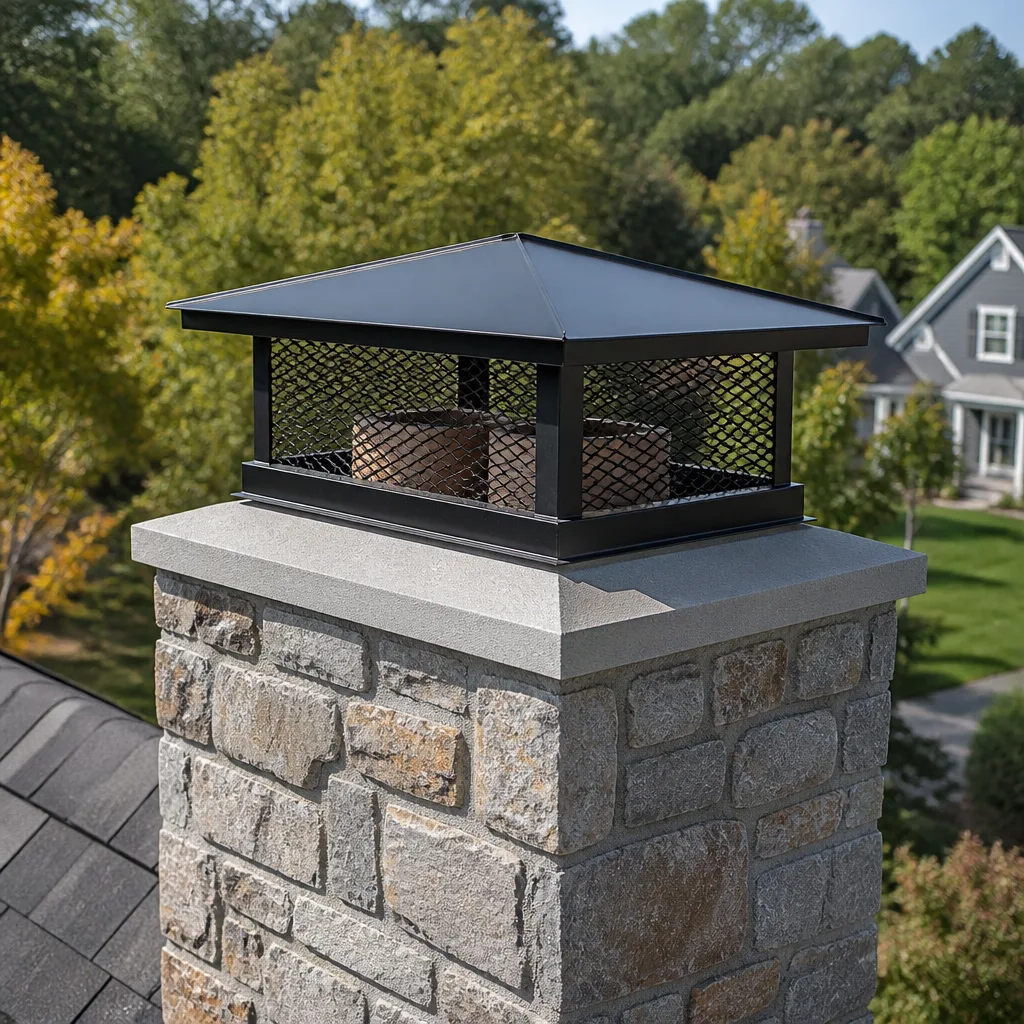 Caps & crowns
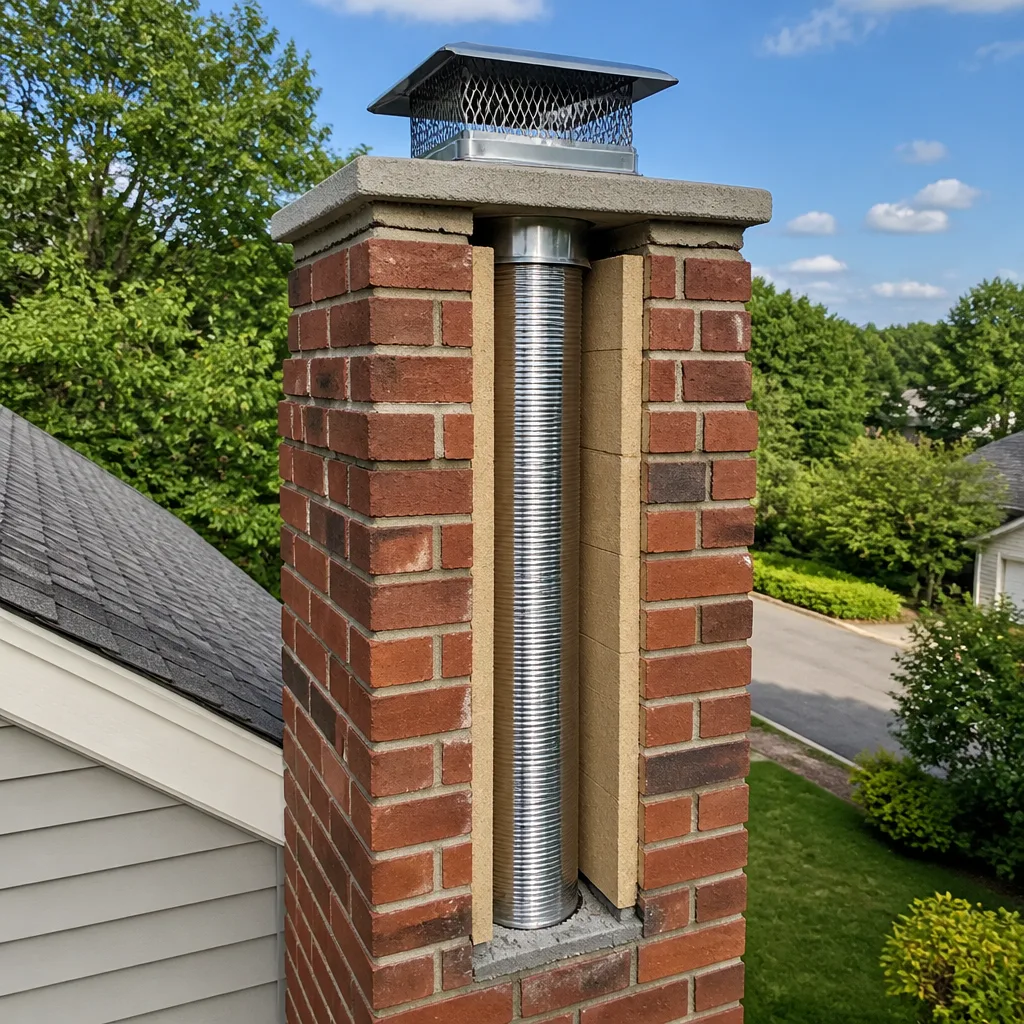 Flue relining
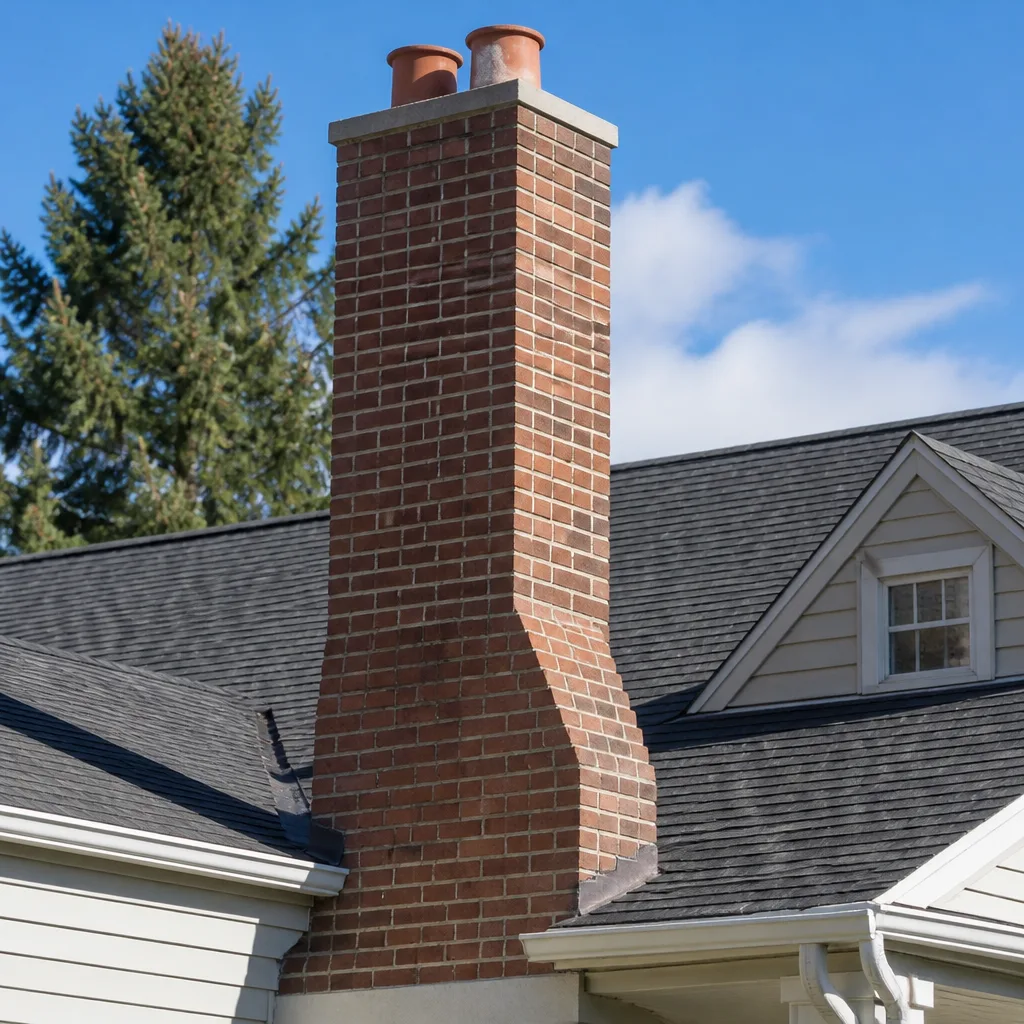 Masonry repair
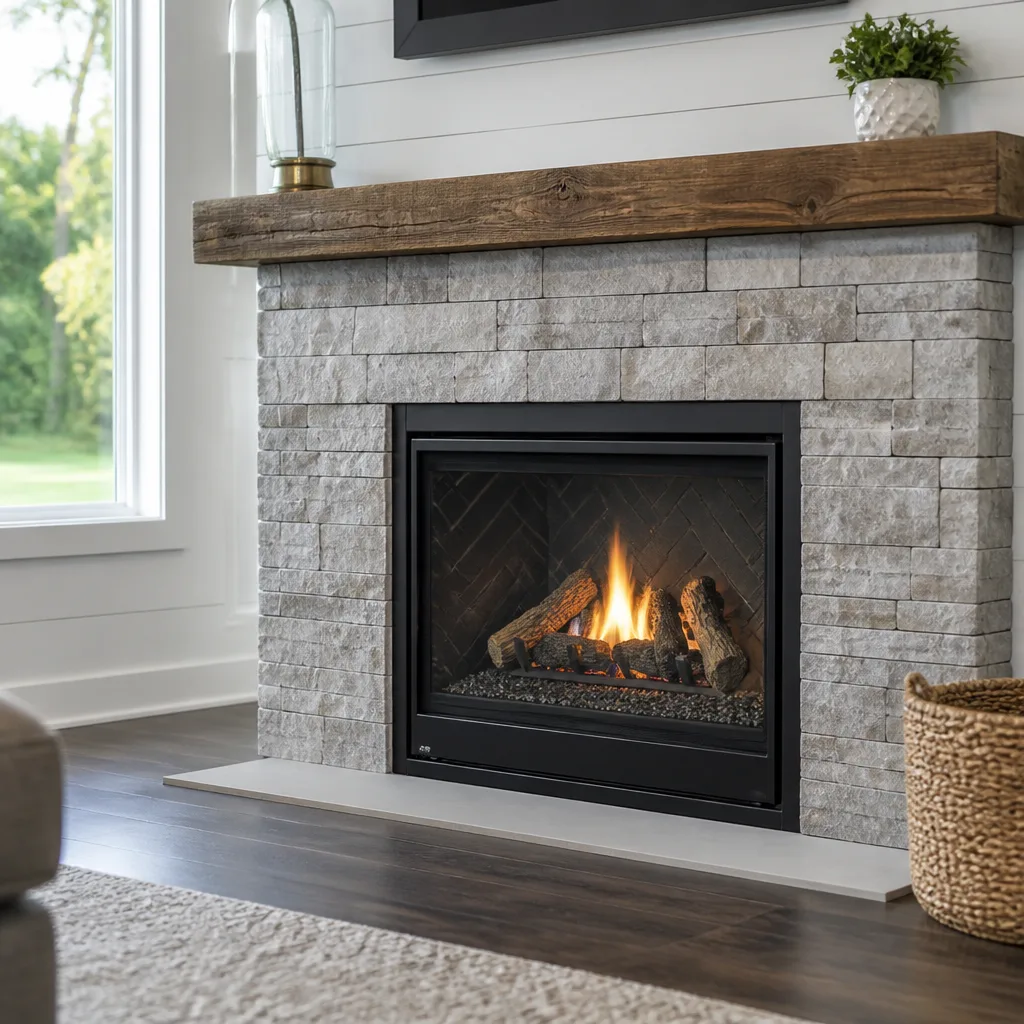 Gas fireplace service
Level 1 sweep and inspection to the NFPA 211 annual standard - flue, crown, cap, and flashing checked and photographed
Chimney sweep logs do not sweep chimneys. They loosen some creosote - which then falls where a brush and vacuum still have to collect it.
Chimney Sweep Troubleshooting in Tyler: Common Problems and How to Fix Them
Smoke rolling into your living room usually gets blamed on a dirty flue. In Tyler’s clay-lined chimneys, that guess is wrong often enough to waste real money. A cracked flue tile can break draft just as badly as heavy creosote, and sweeping the chimney won’t touch it. This guide teaches you to read your chimney’s symptoms the way a technician does: which component is failing, why it’s failing here, and what fix that failure actually calls for. You’ll learn the difference between a pressure problem and an obstruction, how to tell three kinds of damper failure apart, and when a simple DIY fix is fine versus when it compromises your liner.
Quick Answer
Most chimney problems in Tyler trace to one of five components: the flue liner, the damper, the crown and flashing, the firebox, or the cap. Smoke rollout often means a cracked tile or obstruction rather than creosote alone. Summer odor usually means moisture and pressure, not leftover ash. Water stains point to crown or flashing failure. Reading the symptom correctly tells you whether you need a sweep, a liner resurfacing with a system like HeatShield, or a hardware repair with purpose-built parts.
Styles & brands we work with
- Sweep & inspection
- Caps & crowns
- Flue relining
- Masonry repair
- Gas fireplace service
Table of Contents
- The Symptom-to-Component Diagnosis Map
- Why Smoke Rolls Into the Room (And Why Cleaning Won’t Fix It)
- How Tyler’s Humidity and Clay Soil Crack Liners Differently
- Negative Pressure vs. Flue Obstruction: The Test That Tells Them Apart
- Three Kinds of Damper Failure, Three Different Fixes
- Water Stains, Crown Cracks, and Flashing Failures
- Summer Odor: What It Actually Tells You
- When a DIY Fix Is Legitimate (And When It Isn’t)
The Symptom-to-Component Diagnosis Map
Every chimney failure produces a symptom you can observe before anyone climbs on the roof. The skill is matching that symptom to the component most likely to cause it, so you know what kind of repair you’re facing. Here’s the map we work from when a homeowner describes a problem.
- Smoke rolls into the room on light-up: most often a flue obstruction, a cold flue, or negative pressure in the house. Cracked tiles disrupt draft too. Less frequently, a damper that won’t open fully.
- Weak, lazy draft even when the fire is hot: usually a liner problem (cracked or undersized) or a partially blocked flue. Sometimes a cap that’s too restrictive for the appliance.
- Odor in summer, no fire burning: moisture combining with creosote residue and pressure pushing air down the flue. Points to a need for a proper sweep plus a look at cap and crown condition.
- Water stains on the ceiling or smoke chamber: crown cracks, failed flashing, or a missing or damaged cap. Rarely a masonry saturation issue.
- Rust on the damper or firebox: moisture entering from above, tracking down the flue. Look at the crown first.
- Smoke smell that lingers after the fire is out: a damper that doesn’t seal, or a flue that isn’t drafting cleanly.
- Visible cracks in the firebox brick or mortar joints: heat stress or moisture, and a genuine safety concern that needs inspection, not a patch.
In Tyler, the fireplace is often a feature of older homes with original clay tile liners. That matters because tile liners crack in patterns a technician learns to recognize by symptom. Once you know which component is producing your symptom, the fix narrows quickly. That’s the whole point of diagnosis: not guessing, but reading the failure.
Why Smoke Rolls Into the Room (And Why Cleaning Won’t Fix It)
Smoke backing into a living room feels like the chimney is blocked, and sometimes it is. But a flue full of creosote is only one cause, and in Tyler it’s frequently not the main one. A cracked flue tile breaks the smooth, sealed column that draft depends on. Once that column is compromised, smoke loses its path upward and finds the room instead. Sweeping removes creosote but leaves the crack, so the symptom returns.
Here’s what a technician checks, in order, when a homeowner describes smoke rollout:
- Flue obstruction. A nest, a collapsed tile, a fallen cap fragment, or heavy glaze. A camera inspection shows it directly.
- Liner integrity. Cracks, gaps at joints, spalling. This is where HeatShield resurfacing can address the defect without a full reline when the damage is appropriate for it.
- Damper operation. Does it open fully and stay open? A partially open damper chokes draft.
- House pressure. Bathroom fans, kitchen exhaust, a tight modern envelope, or a competing flue can pull smoke back down.
- Cap restriction. A cap sized wrong for the flue, or one clogged with debris.
Notice that cleaning only addresses step one. If the camera shows a cracked tile at step two, you’ve found the real culprit. That’s why the sweep-inspect-repair sequence matters: the same team that finds the crack can explain it and fix it, rather than handing you a report and a second phone number. This is the kind of thing we mean when we say we’ll tell you what we found and what it means.
How Tyler’s Humidity and Clay Soil Crack Liners Differently
East Texas humidity and the way clay soil moves with wet and dry seasons put stress on masonry chimneys in patterns you don’t see in drier climates. The soil under and around a chimney foundation expands when it’s wet and contracts when it dries. That movement works on the masonry slowly. Hairline cracks open at mortar joints and at flue tile seams. Moisture then finds those cracks, and the cycle repeats.
The result is a specific cracking pattern: vertical cracks along tile joints, spalling at the smoke chamber, and mortar loss that looks cosmetic but isn’t. The liner is losing its job of containing heat and combustion gases. In a dry climate, you might see more thermal cracking from temperature swings. Here, moisture-driven movement dominates.
This is exactly where HeatShield earns its place in a technician’s toolkit. It’s a specialized resurfacing system applied to the inside of the flue, sealing cracks and restoring a smooth, contained passage without a full relining. It’s not right for every liner, and it isn’t a substitute for a new liner when the damage is structural. But for the moisture-crack pattern common in Tyler, it’s often the correct middle path. A full reline with a DuraFlex flexible liner is the answer when the existing liner is too far gone, undersized, or unsuitable for the appliance. The camera decides which one you need, and the recommendation follows the evidence, not the other way around.
Negative Pressure vs. Flue Obstruction: The Test That Tells Them Apart
Both a blocked flue and a house under negative pressure produce the same visible symptom: smoke won’t go up. They have completely different fixes, so telling them apart before anyone comes out saves time and money. Here’s a simple test you can run yourself with no tools.
- Crack a window near the fireplace a couple of inches and light a small fire. If the smoke behavior immediately improves, you’re dealing with negative pressure.
- Turn on every exhaust fan in the house (bathroom fans, kitchen hood) one at a time with a small fire going. If each fan makes the smoke worse, pressure is the issue.
- If the smoke still rolls back with a window open and fans off, you likely have an obstruction or a liner defect. That’s a camera-inspection job.
Negative pressure is a house problem, not a chimney problem. Modern tight construction, large exhaust fans, or a competing appliance flue can pull air down the chimney. The fix might be as simple as opening a window before lighting, adjusting fan use, or addressing ventilation. But if pressure is ruled out, an obstruction is the working theory, and a camera inspection will confirm it. Either way, you’ve narrowed the diagnosis before the technician arrives.
Three Kinds of Damper Failure, Three Different Fixes
A damper that doesn’t work right is not one problem. It’s three problems that get lumped together because the symptom (poor control of the fire, smoke when closed, or a damper that won’t stay put) feels the same. Each has a different cause and a different fix, and treating them as one leads to the wrong repair.
- A bent blade. The damper plate itself is warped from heat or physical damage. The blade won’t seal against the frame. The fix is replacing the damper assembly with one sized correctly for the flue.
- A warped frame. The frame that holds the damper has twisted, so a straight blade won’t seat. This needs a frame repair or a full damper replacement, depending on how the unit is built.
- A failed throat seal. The seal between the damper frame and the firebox throat has failed, letting air (and smoke) past even when the damper looks closed. This is a seal repair, not a damper swap.
Telling them apart takes a close look at the damper with a light. If the blade is visibly crooked, that’s a bent blade. If the blade looks straight but doesn’t seat, the frame may be the issue. If the damper closes but smoke still leaks, suspect the throat seal. Purpose-built damper components matter here. We source dampers and related hardware from brands like Famco and Olympia Chimney, because a generic replacement that almost fits will fail again. Getting the specific part right is the difference between a repair that holds and one that doesn’t.
Water Stains, Crown Cracks, and Flashing Failures
Water stains on the ceiling near the chimney, or rust on a damper, are almost always telling you something about the top of the chimney, not the firebox. The crown is the concrete cap at the very top that sheds water away from the flue. When it cracks, water runs in. Flashing is the metal seal where the chimney meets the roof. When it fails, water finds the gap. Either one produces stains far below.
Here’s how to narrow it down without climbing up:
- Stains that appear after heavy rain and dry out between storms: crown or flashing, most likely. Rain-driven moisture.
- Stains that stay damp and grow over time: could be a saturated masonry issue or a persistent flashing leak.
- Rust on the damper with no ceiling stain: water is entering the flue and tracking down. Check the cap and crown.
- Staining that spreads from the roofline down: flashing failure is the first suspect.
A damaged crown gets repaired or rebuilt so it sheds correctly. Failed flashing gets replaced with properly formed metal. A missing or broken cap gets replaced with one sized for the flue. We use Gelco and Famco components for caps, flashing, and venting because these are purpose-engineered chimney parts, not improvised substitutes. A cap that lets water in, or flashing that’s the wrong profile for the roof, fails again in a season or two. The right materials for the job is not a slogan here; it’s what prevents the same call next year.
Summer Odor: What It Actually Tells You
A chimney that smells in summer, when no fire has burned for months, is telling you about moisture and pressure. Creosote residue left on the flue walls absorbs humidity from East Texas air. When the house pressure shifts, air gets pushed down the flue and carries that smell into the room. It’s not a sign of something dangerous by itself, but it does point to a real condition: the flue has residue, and the cap or pressure balance is letting the smell in.
What to do depends on what a technician finds:
- A proper sweep removes the residue that’s holding the moisture and odor.
- Check the cap. A cap in poor condition or one that doesn’t vent correctly can trap odor and moisture. Gelco and Famco caps sized correctly solve this.
- Check for a downdraft pattern. If the smell appears on still, humid days, pressure is likely the cause, and ventilation habits in the home may help.
- Look for a damper that won’t seal. A damper that leaks lets flue air into the room year-round.
Summer odor is one of the clearest signs that a sweep is due before burning season. It’s a symptom you can act on early, before the first fire of fall. A clean chimney is a measurable thing; the odor going away is measurable evidence the sweep worked.
When a DIY Fix Is Legitimate (And When It Isn’t)
Not every chimney issue needs a technician. Some fixes are genuinely fine to do yourself, and telling homeowners which is which respects their time. But there’s a clear line where DIY stops being reasonable.
Legitimate DIY:
- Removing creosote odor from the room by improving ventilation habits.
- Keeping the area around the fireplace clear and checking that the damper opens and closes easily.
- Replacing a simple, accessible cap that’s loose or damaged if you’re comfortable on a ladder.
- Adjusting how and when you run exhaust fans to reduce negative pressure.
Not DIY:
- Any work inside the flue. This is where cracks hide, and where a wrong move can damage a liner or void its warranty.
- Damper or firebox repairs. These involve the firebox throat and can create code issues if done wrong.
- Crown and flashing work. Improperly done, this makes water intrusion worse.
- Anything involving the liner. HeatShield application and DuraFlex liner installation require proper tools, sizing, and training. This is a trained-professional job.
We’re not here to tell you every chimney problem needs a paid visit. We’re here to draw the line honestly: small upkeep is yours, anything that touches the liner, firebox, or structure is ours. The work that involves heat containment and combustion gases carries real risk, and that’s the reason to call, not fear-mongering.
Common Mistakes to Avoid
- Blaming smoke rollout on creosote alone. In Tyler, a cracked flue tile is often the culprit. Sweeping without a camera inspection leaves the crack in place and the symptom returns.
- Skipping the camera inspection. A visual sweep can’t see liner cracks. The camera is what turns a guess into a diagnosis, and it’s what you should see before any repair is recommended.
- Treating every damper problem as a damper replacement. A failed throat seal or a warped frame is a different fix than a bent blade. Diagnose the specific cause first.
- Ignoring summer odor until fall. That smell is your early warning that a sweep is due. Acting on it before burning season is easier than dealing with a backed-up flue in cold weather.
- Assuming a cheap cap or flashing will hold. Generic parts that almost fit fail again in a season. Purpose-built Famco and Gelco components exist for a reason.
- Letting a handyman improvise liner work. A liner is not a generic repair. HeatShield resurfacing and DuraFlex installation call for a specialist with the right materials and training.
- Putting off a firebox crack. Visible cracks in firebox brick or mortar are a genuine safety signal. Get them inspected before the next fire.
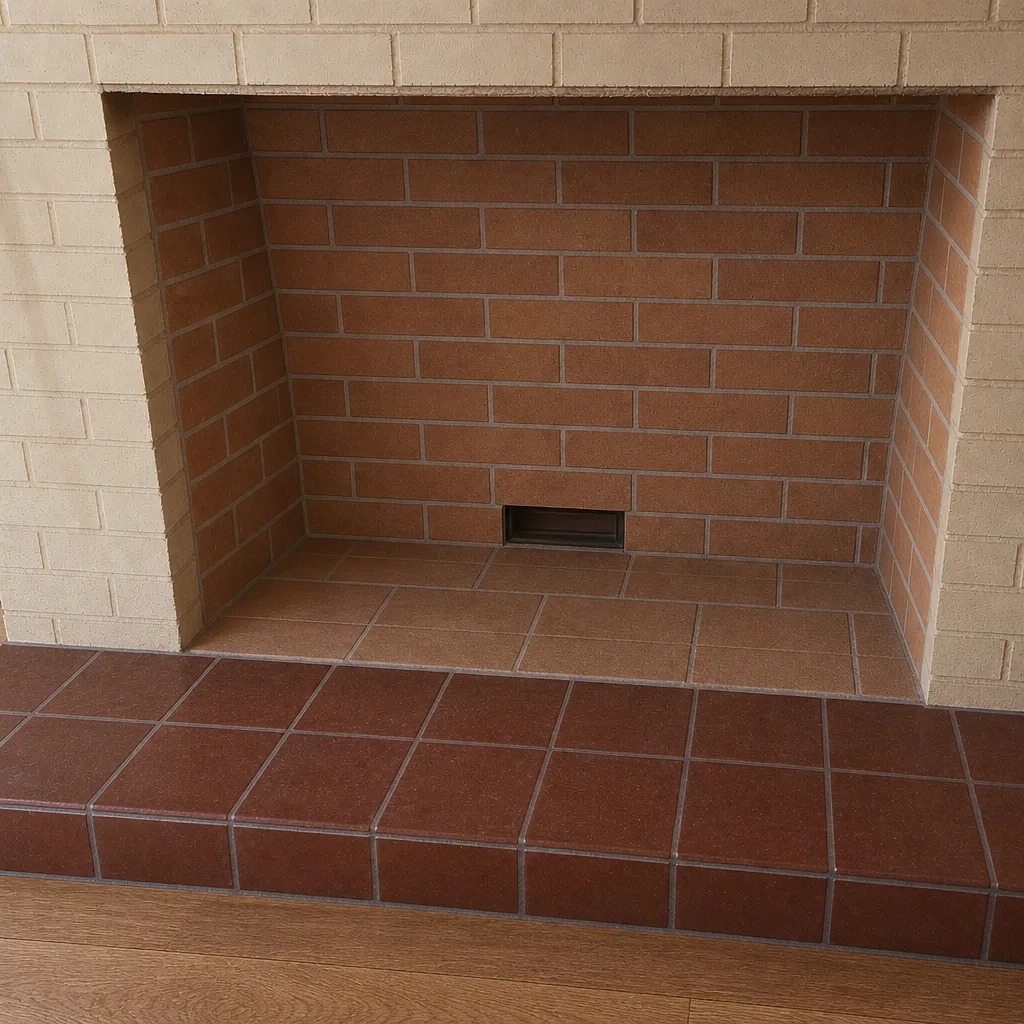
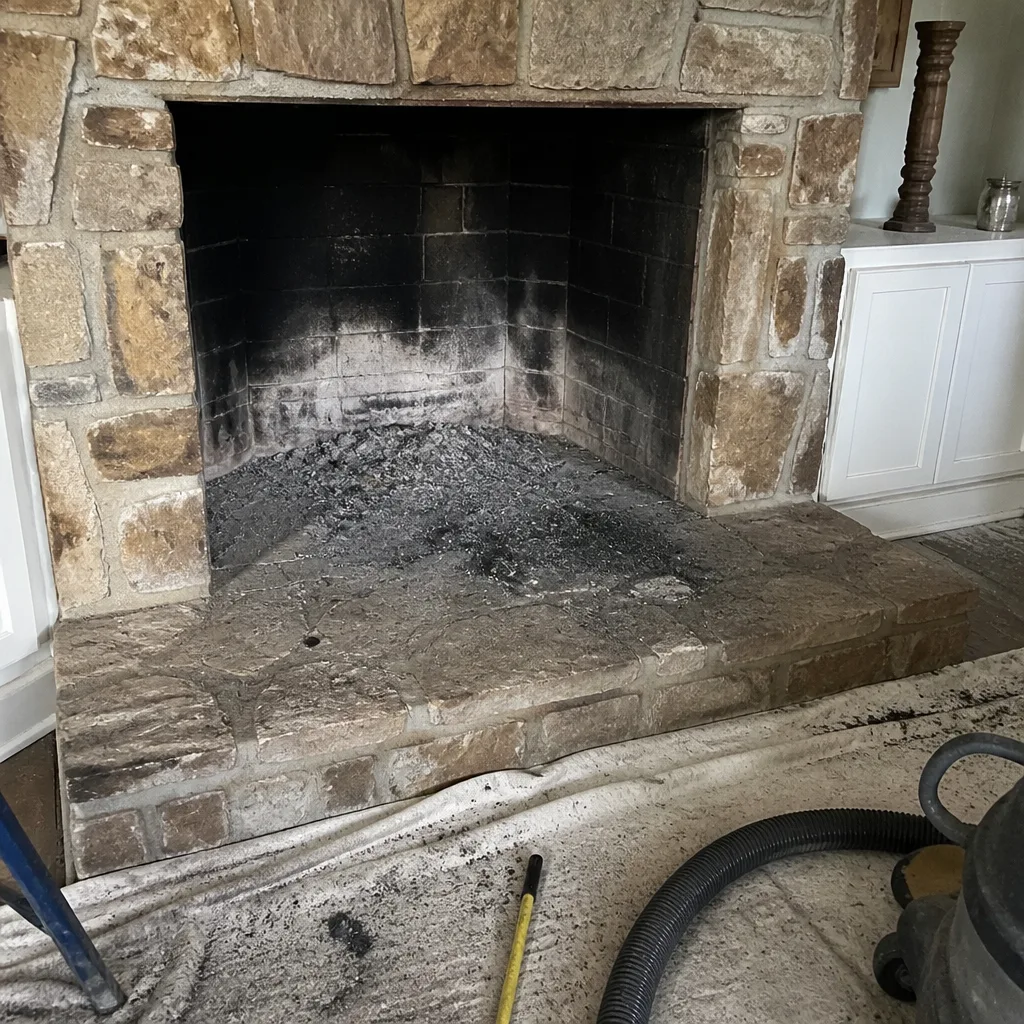
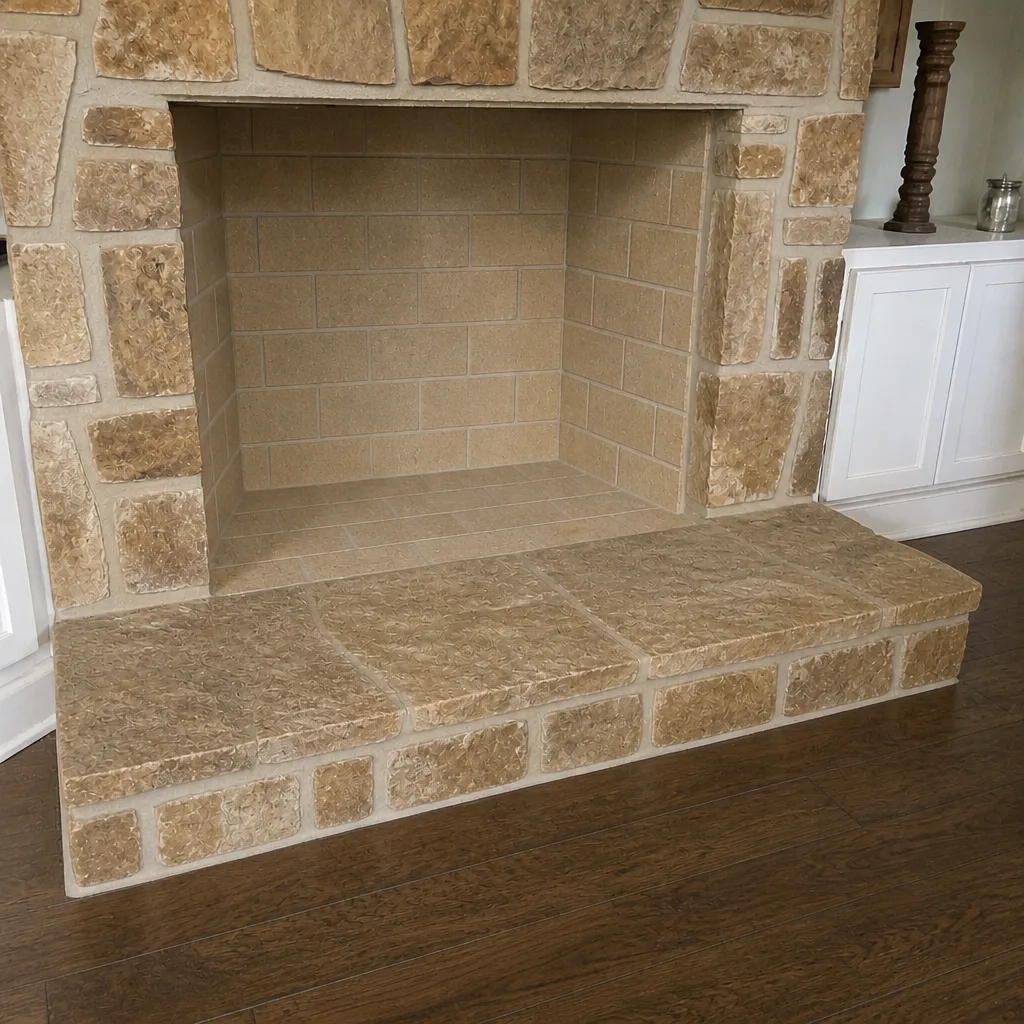
See the difference
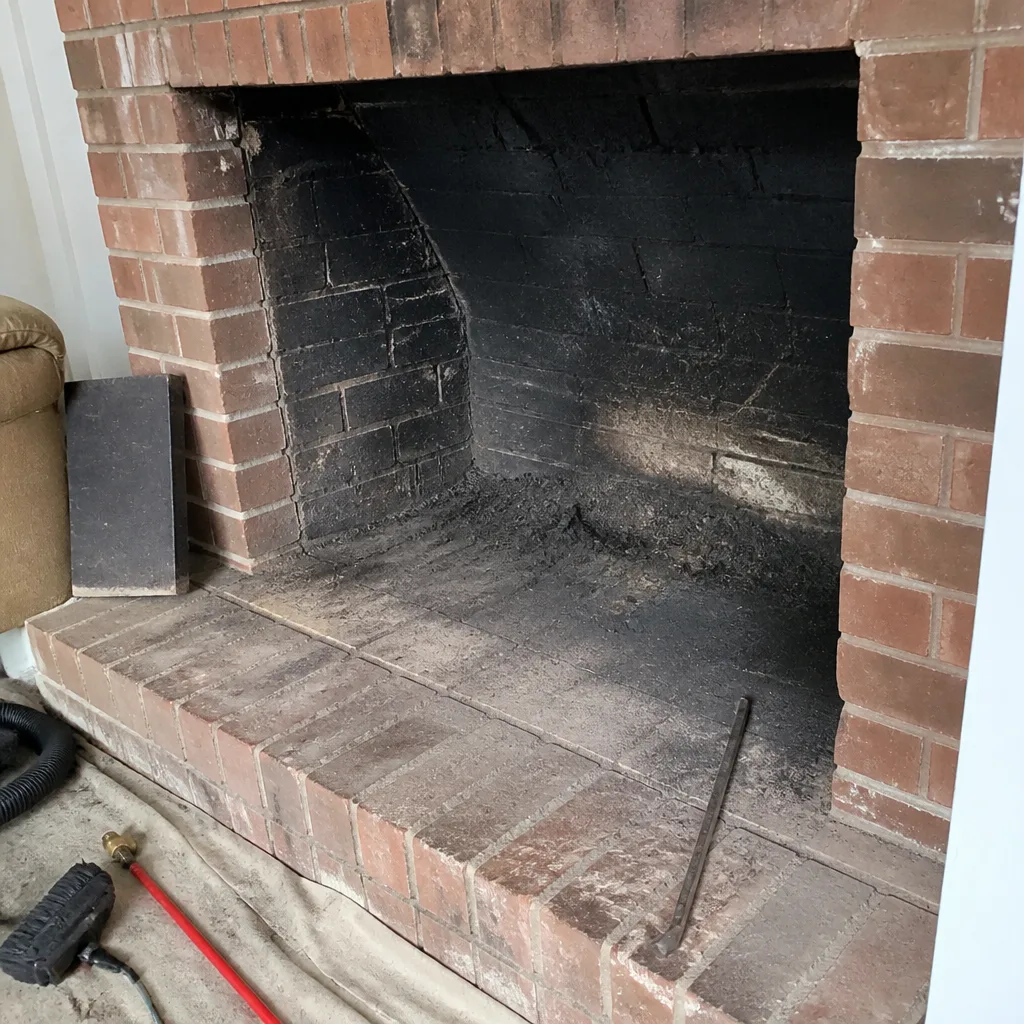 Before
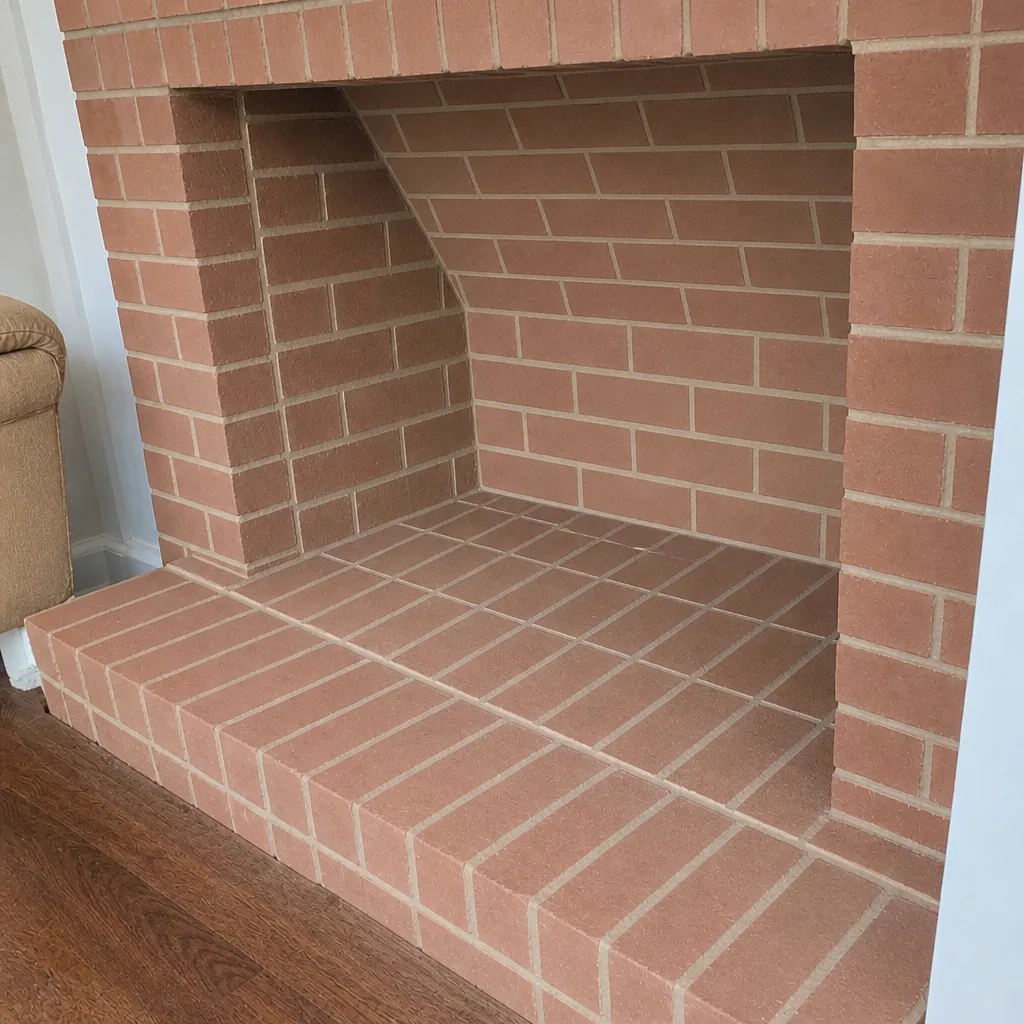 After
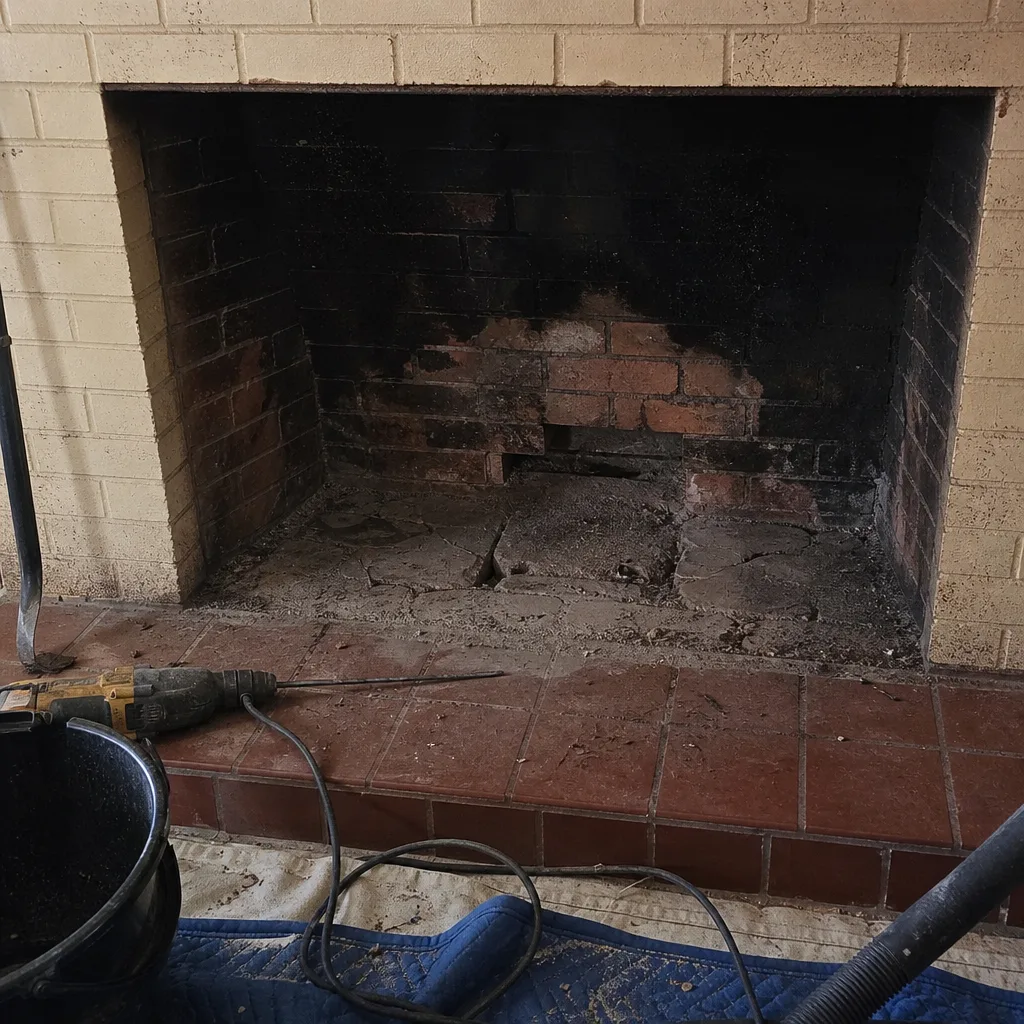 Before
 After
 Before
 After
When to Call a Professional
Call a professional when the symptom involves the flue, the liner, the firebox, or the structure: smoke that still rolls back with a window open and fans off, visible cracks in the firebox, water stains that appear after rain, a damper that won’t seal, or summer odor that persists after ventilation changes. These are the cases where a camera inspection finds what a visual check can’t, and where the right repair depends on an accurate diagnosis. Our technicians have up to 11 years of experience reading these failures, and the same team that inspects also repairs. At Chimney Sweep Tyler, we offer free estimates in Tyler. Call (866) 389-3453. We answer 24/7. Fast dispatch from 7am to 7pm, Sunday through Friday. You’ll get a plain-language explanation of what we found and what it means, and nothing gets recommended without camera evidence you can see for yourself.
Frequently Asked Questions
Because sweeping removes creosote but doesn’t repair a cracked flue tile, and a crack is often the real cause of poor draft in Tyler chimneys. A camera inspection confirms liner defects. Call (866) 389-3453 for an exact quote on inspection; estimates are free.
That depends on what the camera shows. Hairline and moisture-driven cracks can often be addressed with HeatShield resurfacing, while structural damage, an undersized flue, or an unsuitable liner calls for a full reline with a system like DuraFlex. Nothing is recommended without camera evidence you can see. Call (866) 389-3453 for an exact quote; estimates are free.
Most wood-burning fireplaces should be swept once a year or after a season’s worth of burns, whichever comes first, and a summer odor is often the signal that it’s due. Call (866) 389-3453 for an exact quote on a sweep; estimates are free.
Creosote builds up and reduces draft, a cracked liner goes unrepaired, and smoke or moisture problems get worse rather than settling. The risk is real, and the right move is diagnosis, not guessing. Call (866) 389-3453 for an exact quote; estimates are free.
Crack a window near the fireplace with a small fire going. If the smoke improves, it’s negative pressure; if it still rolls back, suspect an obstruction and get a camera inspection. Call (866) 389-3453 for an exact quote; estimates are free.
Often yes, based on where the stains spread and when they appear after rain. Crown cracks and flashing failures are the two most common causes, and both are repairable with purpose-built parts. Call (866) 389-3453 for an exact quote; estimates are free.
The Bottom Line
Chimney problems in Tyler are not mysteries. They’re predictable failures you can read from symptoms: smoke rollout points to a cracked tile or obstruction, summer odor points to residue and pressure, water stains point up to the crown or flashing, and damper trouble breaks down into three specific causes. Match the symptom to the component and the right fix becomes obvious. Our approach is simple: inspect with a camera, explain what we found in plain language, and repair with professional-trade materials like HeatShield, DuraFlex, Famco, and Gelco. If your chimney is showing any of these symptoms, call (866) 389-3453 for a free estimate. We answer 24/7. Fast dispatch from 7am to 7pm, Sunday through Friday.
Written by the team at Chimney Sweep Tyler.