
Last updated November 15, 2026
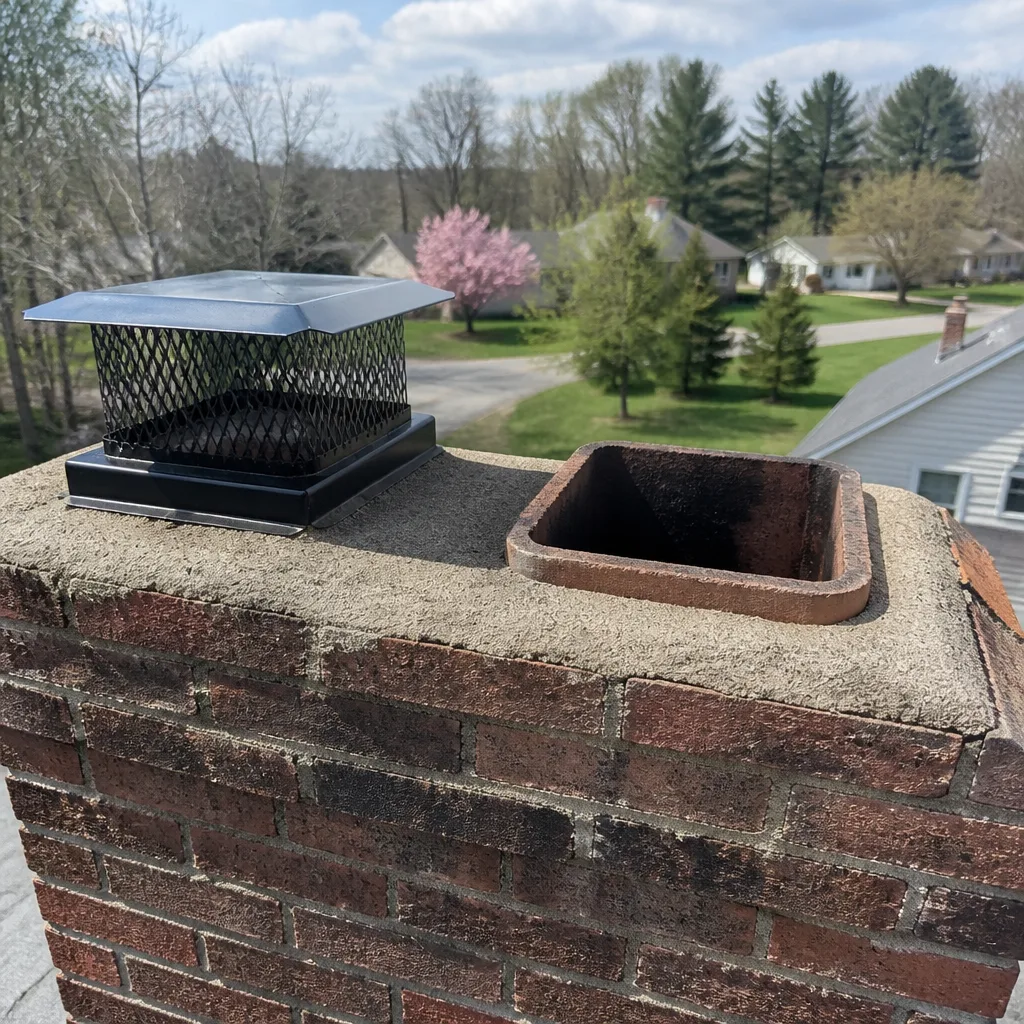 Sweep & inspection
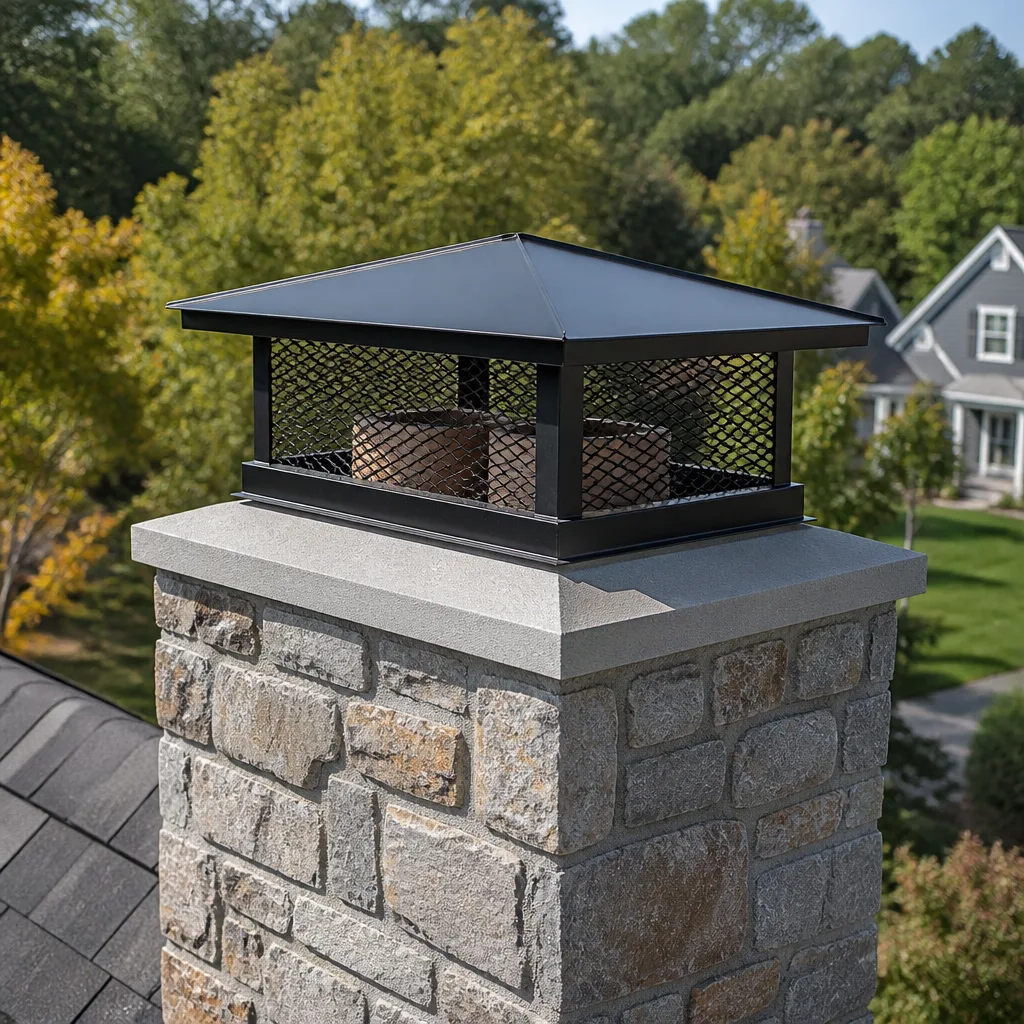 Caps & crowns
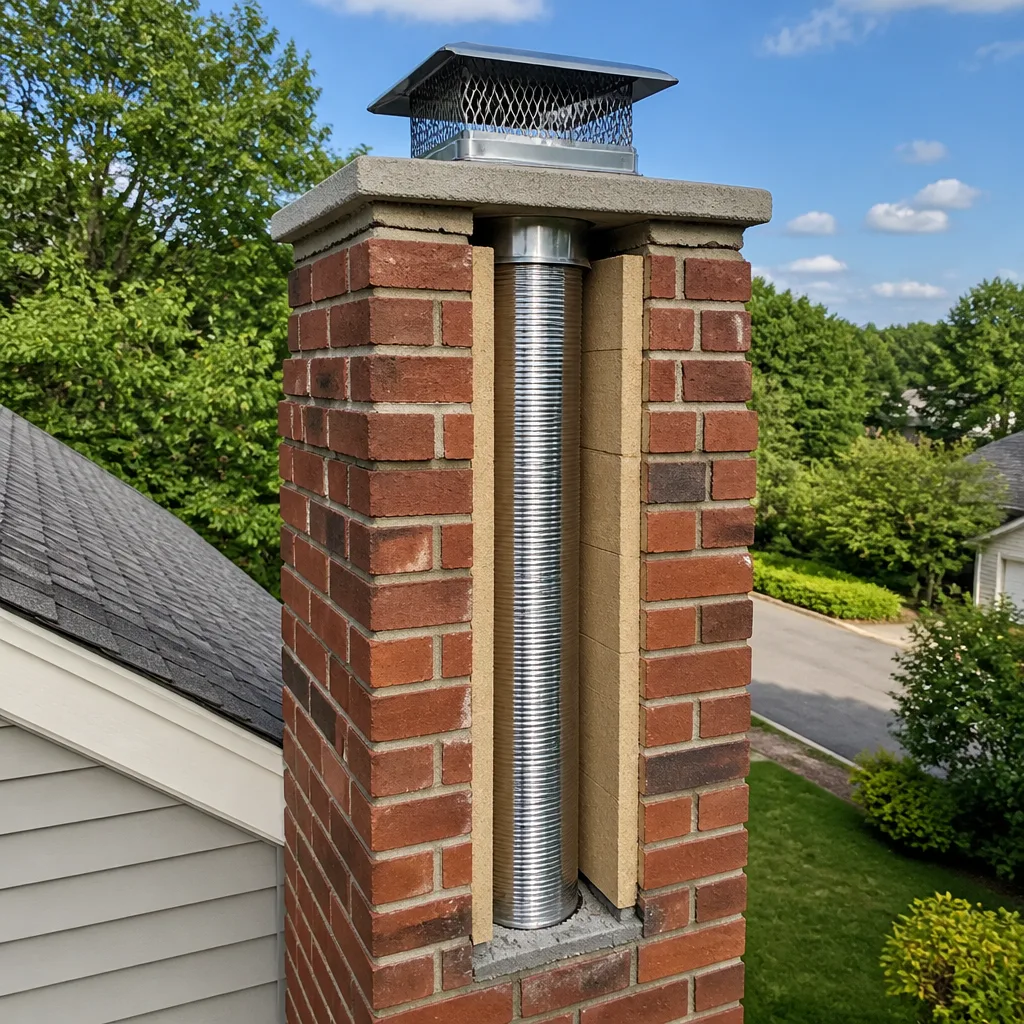 Flue relining
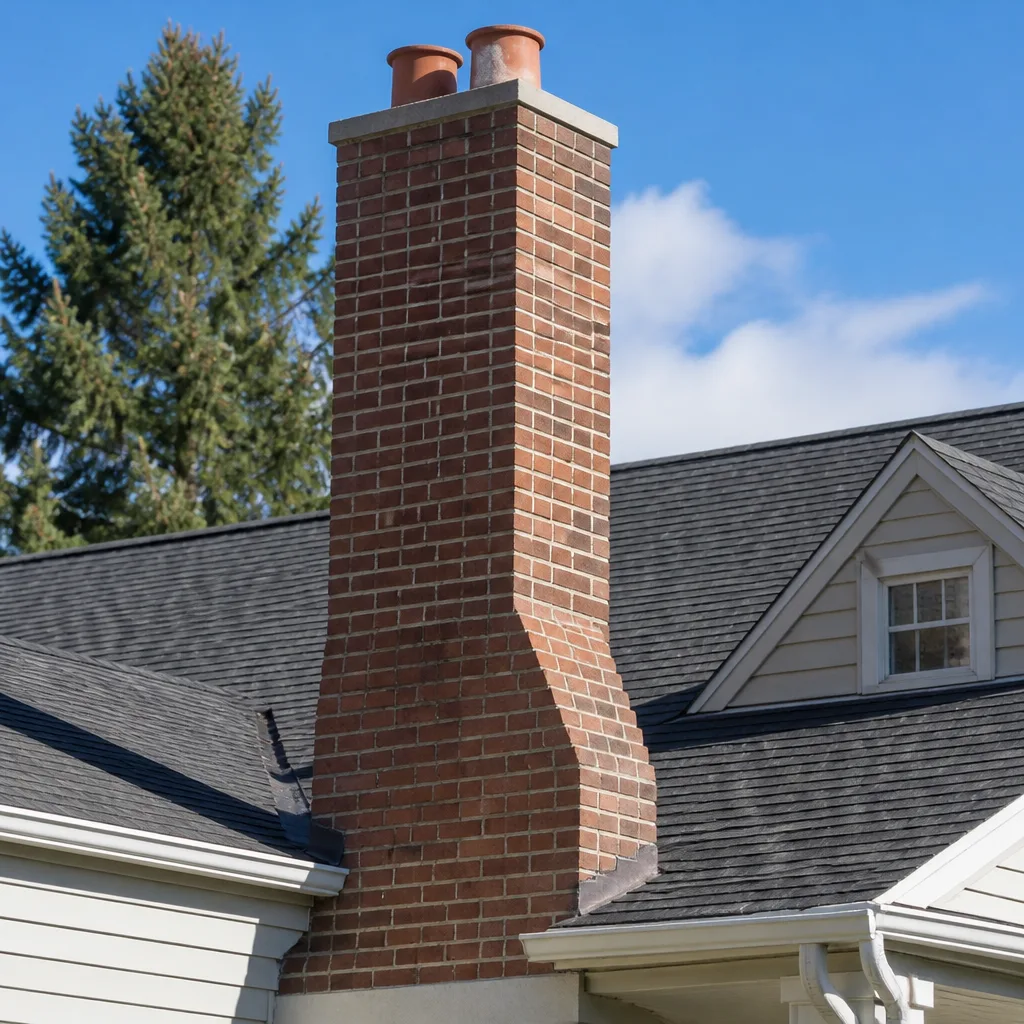 Masonry repair
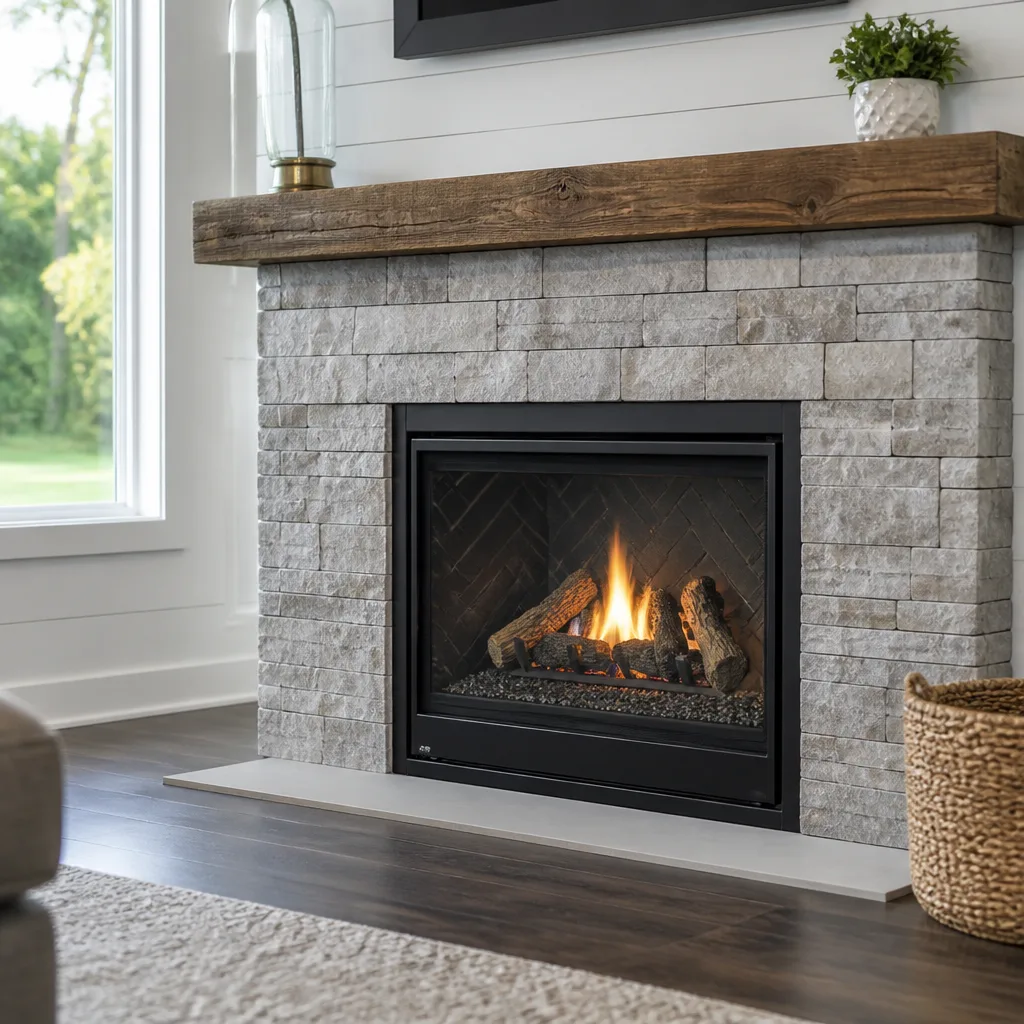 Gas fireplace service
Level 1 sweep and inspection to the NFPA 211 annual standard - flue, crown, cap, and flashing checked and photographed
Chimney sweep logs do not sweep chimneys. They loosen some creosote - which then falls where a brush and vacuum still have to collect it.
How to Hire a Chimney Cleaning Contractor in Tyler: A Step-by-Step Guide
Any handyman can own a chimney brush. What separates a qualified sweep from an unqualified one isn’t the truck or the uniform. It’s whether they can tell you, without looking it up, what liner system is in your home and what it’s rated for. That single question cuts through most of the noise in the hiring process, and it’s the one almost nobody asks. In Tyler, where wood-burning fireplaces are common in older homes and newer builds alike, the difference between a sweep who understands materials and one who just pushes a brush matters. This guide walks you through credentials, interview questions, insurance verification, and written scopes of work so you can hire with confidence.
Quick Answer
To hire a chimney cleaning contractor in Tyler, verify three credentials (CSIA, NFI, or NCSG), confirm general liability and workers’ compensation insurance with the right coverage amounts, ask technical questions about liner sizing and creosote staging, and insist on a written scope of work before any money changes hands. A materials-informed specialist will know which liner brand is in your chimney, what it’s rated for, and what repair options exist if the inspection finds a problem. Price matters, but the questions you ask matter more.
Styles & brands we work with
- Sweep & inspection
- Caps & crowns
- Flue relining
- Masonry repair
- Gas fireplace service
Table of Contents
- What Actually Makes a Chimney Sweep Qualified?
- The Three Certifications That Matter and What They Require
- Interview Questions That Reveal Real Technical Knowledge
- How to Verify Insurance and What Coverage You Need
- What a Written Scope of Work Should Include
- How to Read Reviews and Spot Warning Signs
- Why Sweep, Inspect, and Repair Should Be Under One Roof
- What a Sweep in Tyler Typically Costs and How to Schedule
What Actually Makes a Chimney Sweep Qualified?
A qualified chimney sweep is defined by what they know, not what they own. The equipment bar for basic sweeping is low: a set of polypropylene or steel brushes, a HEPA vacuum, drop cloths, and a ladder. None of that demonstrates anything about technical judgment. What demonstrates technical judgment is the ability to look at a firebox, measure a flue, and explain – in plain terms – what kind of appliance the chimney serves, what the liner is made of, and whether the current draft is adequate for the appliance being run.
In Tyler, we see a mix of masonry chimneys with clay tile liners, factory-built fireplaces with metal liners, and a smaller number of wood stoves and inserts. Each system has different servicing requirements. A sweep who treats all of them the same is a sweep who doesn’t understand systems – only surfaces.
What a qualified sweep should know without checking their phone
- How to identify a clay tile liner versus a cast-in-place liner versus a stainless flexible liner
- What the current chimney liner is rated for, and whether the appliance matches that rating
- How to read draft by observation (smoke roll, spillage at the firebox, smell) and when to measure it
- The difference between stage 1, stage 2, and stage 3 creosote and how each is treated
- When to recommend resurfacing (HeatShield) versus full relining (DuraFlex or equivalent)
The right answer to “what’s in my chimney?” is not “we’ll see when we get up there.” It’s a working hypothesis before the brush even comes off the truck. That’s the difference between a materials-informed specialist and a generalist with a kit. More on how our Chimney Sweep Tyler team frames this below.
The Three Certifications That Matter and What They Require
Three credentials are worth asking about by name: CSIA, NFI, and NCSG. Each one covers a different part of the trade, and none of them are interchangeable. A sweep holding all three is a sweep who has invested in the full scope of the work. A sweep holding one is credible within that credential’s scope – and only that scope.
CSIA – Chimney Safety Institute of America
CSIA is the certification most commonly associated with chimney sweeping and inspection. Earning it requires passing a written exam covering codes, venting, draft, and appliance types, plus an agreement to adhere to the CSIA Code of Ethics. Certification is renewed on a cycle that requires continuing education. A CSIA-certified sweep is expected to know NFPA 211 – the national standard for chimneys, fireplaces, vents, and solid fuel appliances.
NFI – National Fireplace Institute
NFI is the certification most relevant to installation and appliance-specific work. It’s offered in specializations including wood-burning and gas. NFI certification signals that the sweep understands how a specific appliance must be vented, what its clearances are, and what its liner requirements look like. For a homeowner with a wood stove or insert, an NFI-certified technician is the right person to talk to about the appliance side of the equation.
NCSG – National Chimney Sweep Guild
NCSG is a professional membership organization rather than a certification in itself, but membership indicates that a sweep has agreed to a code of conduct and participates in a broader trade community. It’s a signal of commitment to the profession, not a substitute for CSIA or NFI.
What to ask: “Which certifications does the technician coming to my home hold?” The answer should be specific. “We’re fully certified” without names is not an answer. For context on what informed inspection looks like in our city, the Tyler page is a useful reference.
Interview Questions That Reveal Real Technical Knowledge
The best way to separate a specialist from a generalist is to ask questions only a specialist can answer fluently. Not trivia – working knowledge. The answers should be plain, specific, and connected to the job at hand. If the person on the other end of the phone starts reaching for buzzwords, that’s your signal.
Questions to ask before booking
- What liner systems do you install, and how do you size them? A qualified answer names actual systems (DuraFlex, Olympia Chimney, HeatShield resurfacing) and describes how the appliance’s BTU output, flue height, and venting class determine the liner size. A weak answer is “we use whatever fits.”
- What creosote stage does this chimney likely have, and how would you treat stage 3? Stage 3 creosote is glazed and hardened; it doesn’t come off with a brush. A qualified answer explains that stage 3 often calls for chemical treatment, rotary cleaning, or ultimately relining – not just “we’ll brush it.”
- How do you read draft, and when do you measure it? A qualified answer describes smoke roll at the firebox, appliance spillage, and using a manometer when observation isn’t conclusive. A weak answer is “we make sure it drafts.”
- What parts do you use for a cap or flashing repair? The right answer names purpose-built brands – Famco, Copperfield, Gelco – not generic hardware-store substitutes.
- Who does the repair if the inspection finds a problem? The strongest answer is: the same technician who inspected. That’s single-company accountability, and it’s a real hiring criterion.
What separates a materials-informed specialist from a generalist in Tyler isn’t that they answer differently. It’s that they answer fluently. They don’t have to think about which liner is rated for a wood stove, or whether a HeatShield resurfacing is appropriate before full relining. They know. That fluency is the whole game.
How to Verify Insurance and What Coverage You Need
Ask for the certificate of insurance before booking, and read it – don’t accept “we’re insured” as the answer. A chimney contractor working inside an occupied home carries real exposure: roof access, tool damage, and the possibility of a ladder or a dropped brush causing injury to a person or property. The insurance question is not a formality. It’s your protection.
What to look for on the certificate
- General liability: covers property damage to your home from the work. A working minimum for a chimney contractor is in the ballpark most homeowners’ policies would expect to see; the specific number matters less than that the coverage is active and named to the business doing the work.
- Workers’ compensation: covers the technician if injured on your property. If a contractor does not carry workers’ comp and their technician is injured on your roof, the exposure can land on your homeowner’s policy. Don’t skip asking.
- Active dates: the certificate should cover the date of your scheduled visit.
- Named insured: the business name on the certificate should match the business you’re hiring.
You don’t need to be a risk manager to verify this. Ask for the certificate by email, check that the coverage dates are current, and confirm the legal business name. A contractor who hesitates to send a COI is a contractor to walk away from. In Tyler, where older homes often have roofs that require careful access, this matters more, not less.
What a Written Scope of Work Should Include
A written scope of work is the single best sign you’re dealing with a professional operation. It should arrive before any money changes hands, and it should read like a plan – not a price. It’s what prevents a sweep from becoming a series of surprise add-ons.
A proper scope includes:
- The specific service being performed: “Level 1 inspection and sweep of a masonry chimney serving a wood-burning fireplace,” not “chimney service.”
- What’s included: camera inspection, photo documentation, drop cloths, HEPA vacuum containment, and a written report of findings.
- What’s not included: repairs, relining, cap replacement, and any work identified during the inspection. These are priced separately and in writing.
- The pricing structure: a flat price for the sweep, with any repair costs quoted in advance before work begins.
- How findings will be explained: what you’ll see (photos, camera footage) and what the technician will walk you through.
What its absence signals
If a contractor won’t put the scope in writing, the reason is usually that they don’t want to be held to it. “We’ll see when we get there” is not a scope; it’s an open door. The best-practice pattern in the trade is: sweep, then inspect, then explain – and only then quote any repair. Anything that inverts that order is a red flag. Our chimney sweep process follows exactly this sequence, because it’s the only one that puts the homeowner in control of the decision.
How to Read Reviews and Spot Warning Signs
Reviews are the most underused hiring tool in this trade, because most homeowners read them wrong. Vague praise is useless. “Great service, very professional, would recommend” tells you nothing about whether the contractor knows a clay tile from a cast-in-place liner. What you want are reviews that describe specific findings, specific explanations, and specific outcomes.
What useful reviews look like
- Mentions of the inspection actually identifying something – “found a cracked tile,” “showed us photos of the flue”
- Descriptions of the explanation, not just the price – “explained why we didn’t need the liner they said we needed”
- Notes about repair work being done well after the sweep – the sweep-inspect-repair continuity in action
- References to specific materials or brands (DuraFlex, HeatShield, Gelco caps) – the reviewer knew what was installed, which means they were told
What warning signs look like
- Reviews mentioning an unexpected price jump after the inspection without a written quote
- Any review describing a technician who “recommended relining” without showing evidence
- Reviews where the customer was told they needed thousands in repairs but couldn’t say what was actually wrong
- Consistent praise for speed with no mention of what was found or explained
In our experience, Tyler homeowners who read reviews this way get a much clearer picture of who they’re hiring than any star rating can provide. Specificity is the whole signal. A review that names the finding is worth ten that just say “great job.”
Why Sweep, Inspect, and Repair Should Be Under One Roof
The strongest hiring structure puts sweep, inspection, and repair in the same company – and ideally in the same visit. When the technician who inspects also repairs, there’s no handoff gap. Nothing gets lost between the person who found the problem and the person who fixed it. No second company reads a report and decides what they’d have done differently.
This matters most when the inspection turns up something real. A sweep finds cracked tiles, damaged flashing, or a liner that’s no longer rated for the appliance. If the sweep company can’t repair those issues, the homeowner gets a report and a phone number – and the second company has no incentive to agree with the first. That’s a gap in accountability.
What single-company service looks like
- Sweep: the flue is cleaned and the debris is contained and removed.
- Inspect: a camera inspection documents the liner, firebox, damper, cap, and flashing. Findings are photographed and explained.
- Explain: the technician walks through what was found, what it means, and what options exist – including the option to do nothing yet if the issue isn’t urgent.
- Repair: if work is warranted and agreed upon, the same company schedules and completes the repair with purpose-built materials.
Our chimney repair work is staffed by the same technicians who inspect, which means the repair diagnosis is grounded in the same hands-on experience that informed the inspection. That’s not a small thing. In Tyler homes with older chimneys, inspection-only companies routinely miss failure modes that repair-side technicians catch on sight. Our technicians have up to 11 years of experience with these systems.
What a Sweep in Tyler Typically Costs and How to Schedule
Chimney sweeping in Tyler is priced per job by written estimate, not by the minute or by a flat advertised rate that hides add-ons. The estimate is free, and the scope determines the price. A standard sweep and Level 1 inspection of a single flue is the baseline; a multi-flue masonry chimney with heavy creosote or an insert that needs removal for access will price differently. The written estimate sets the final price, so the number you’re quoted before work begins is the number you pay.
How pricing usually breaks down
- Sweep and Level 1 inspection: quoted per flue, with inspection and photo report included in the scope
- Camera inspection: part of the sweep scope; if a Level 2 inspection is needed, it’s quoted separately and in advance
- Caps, dampers, and venting components: priced by component, using Famco and Copperfield purpose-built hardware rather than generic substitutes
- Liner resurfacing (HeatShield): quoted after inspection, only when the evidence supports it
- Full relining (DuraFlex): quoted only when resurfacing or spot repair isn’t appropriate
To schedule, call (866) 389-3453. We answer 24/7. Fast dispatch from 7am to 7pm, Sunday through Friday. A call outside dispatch hours is booked into the next opening. The sweep is booked ahead of burning season, not dispatched on an hourly promise – the timeline is seasonal, and planning ahead beats scrambling. Estimates are free, and nothing is recommended without camera evidence you can see for yourself.
Common Mistakes to Avoid
- Hiring on price alone. A cheap sweep who doesn’t inspect is a wasted visit, and the “cheap” price often becomes the anchor for an upsell after the fact. In Tyler’s market, the difference between quotes is almost never materials – it’s scope.
- Accepting “fully certified” without specifics. Ask which certifications, from which organizations, and whether the technician coming into your home holds them. “Certified” alone means nothing.
- Skipping the insurance certificate. A contractor working inside your home should be able to email a current COI without hesitation. If they can’t, that’s a decision made for you.
- Letting the technician diagnose without showing you evidence. A liner recommendation without camera footage or a photographed finding is a recommendation you can’t verify. Ask to see it.
- Not asking what’s in the chimney before booking. The brand and rating of the liner should be answerable before the technician arrives. If the answer is “we’ll see,” the qualification question has already been answered.
- Calling after the first cold snap. Tyler’s mild winters mean the fireplace season is manageable, but the weeks around the first cold front are when everyone remembers their chimney needs attention. Book ahead.
- Booking separate companies for sweep and repair. The handoff gap between sweep and repair is where bad calls happen and where responsibility gets vague. One company, one accountability.
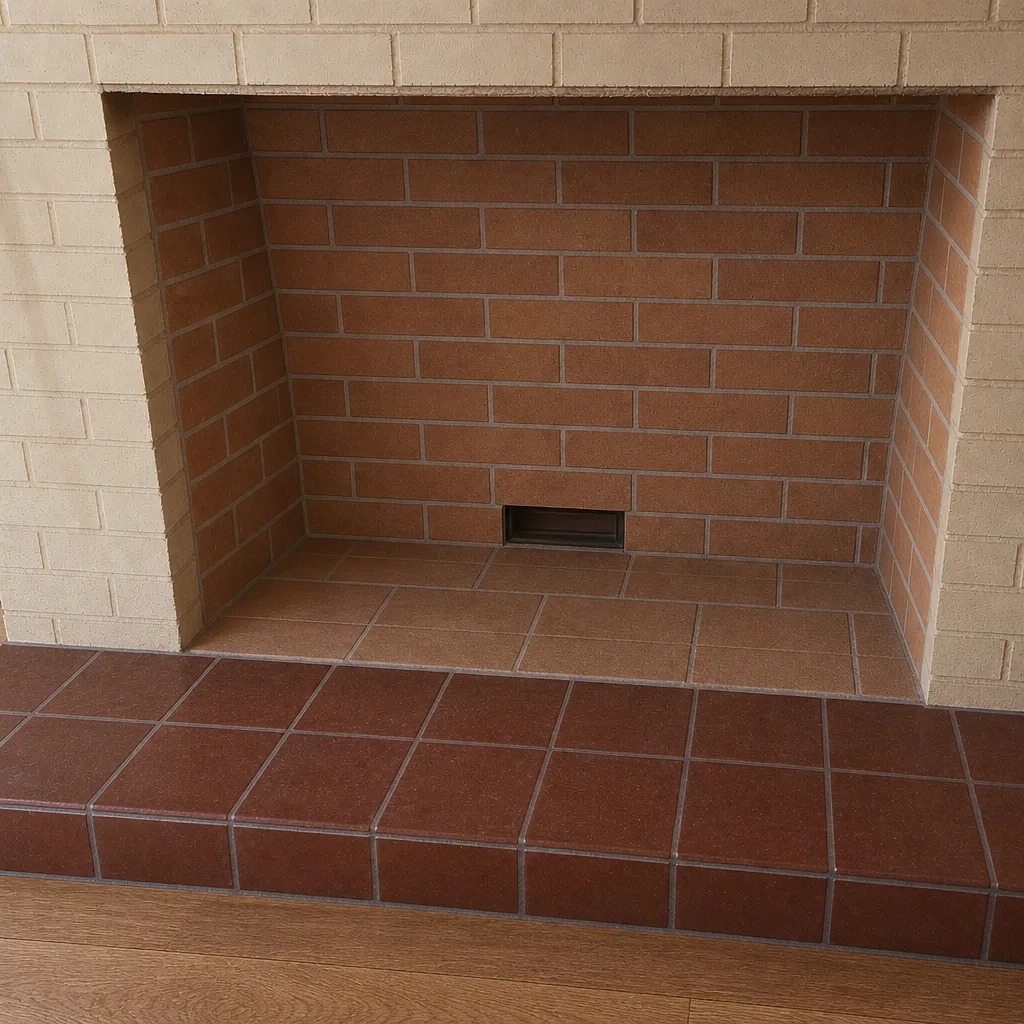
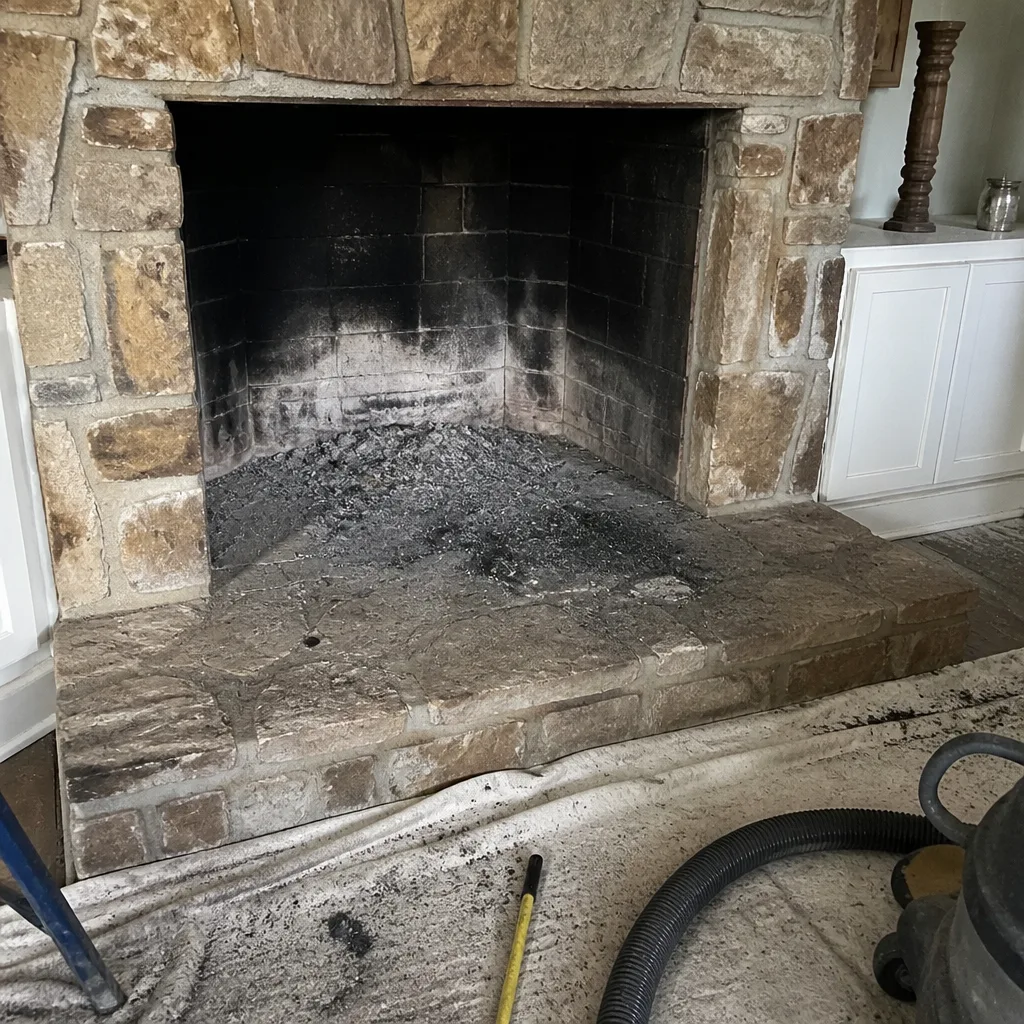
See the difference
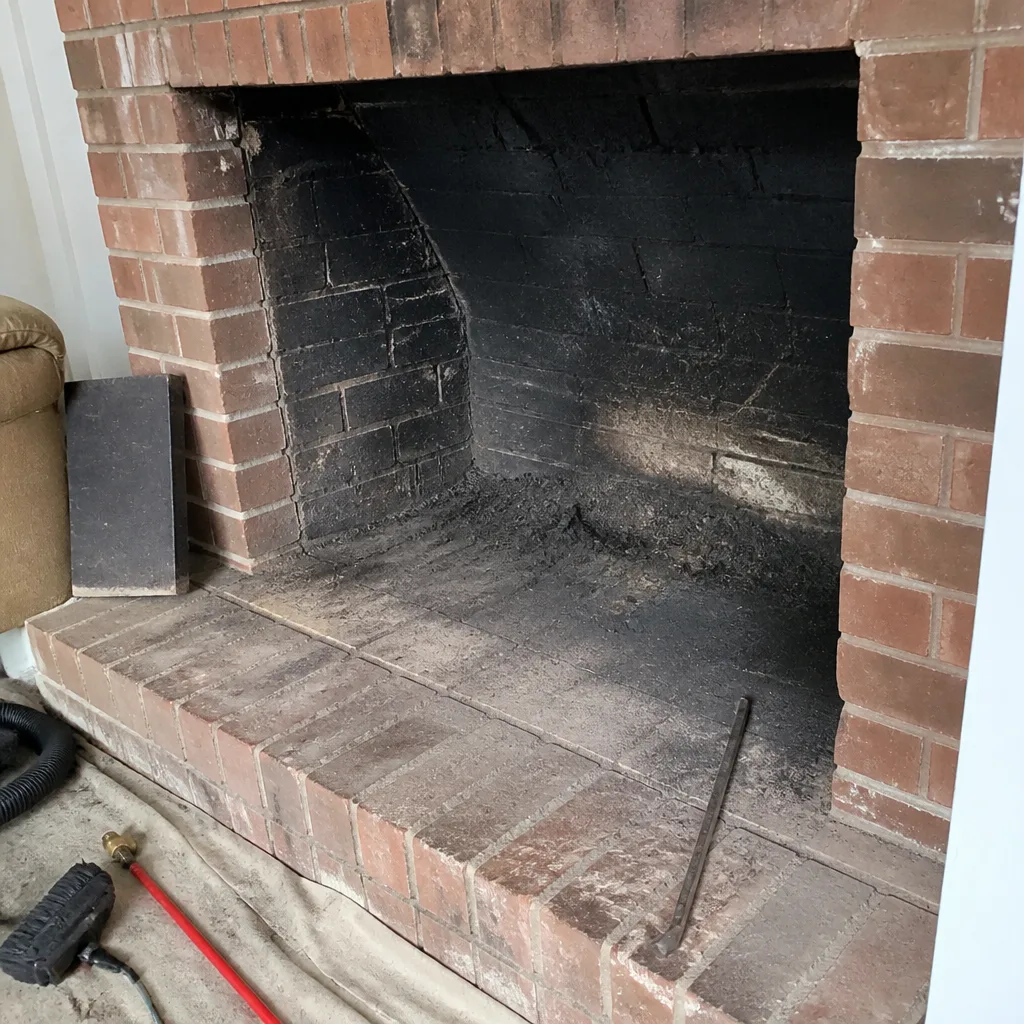 Before
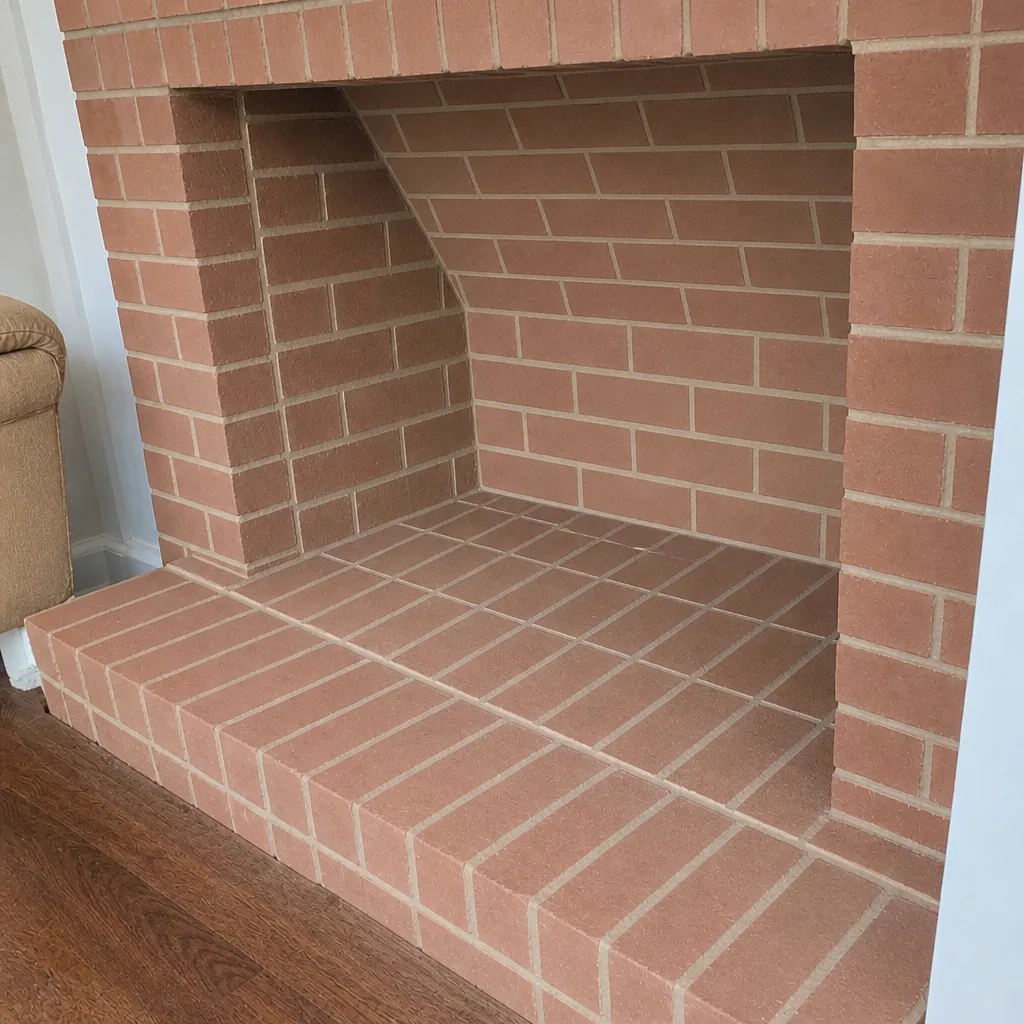 After
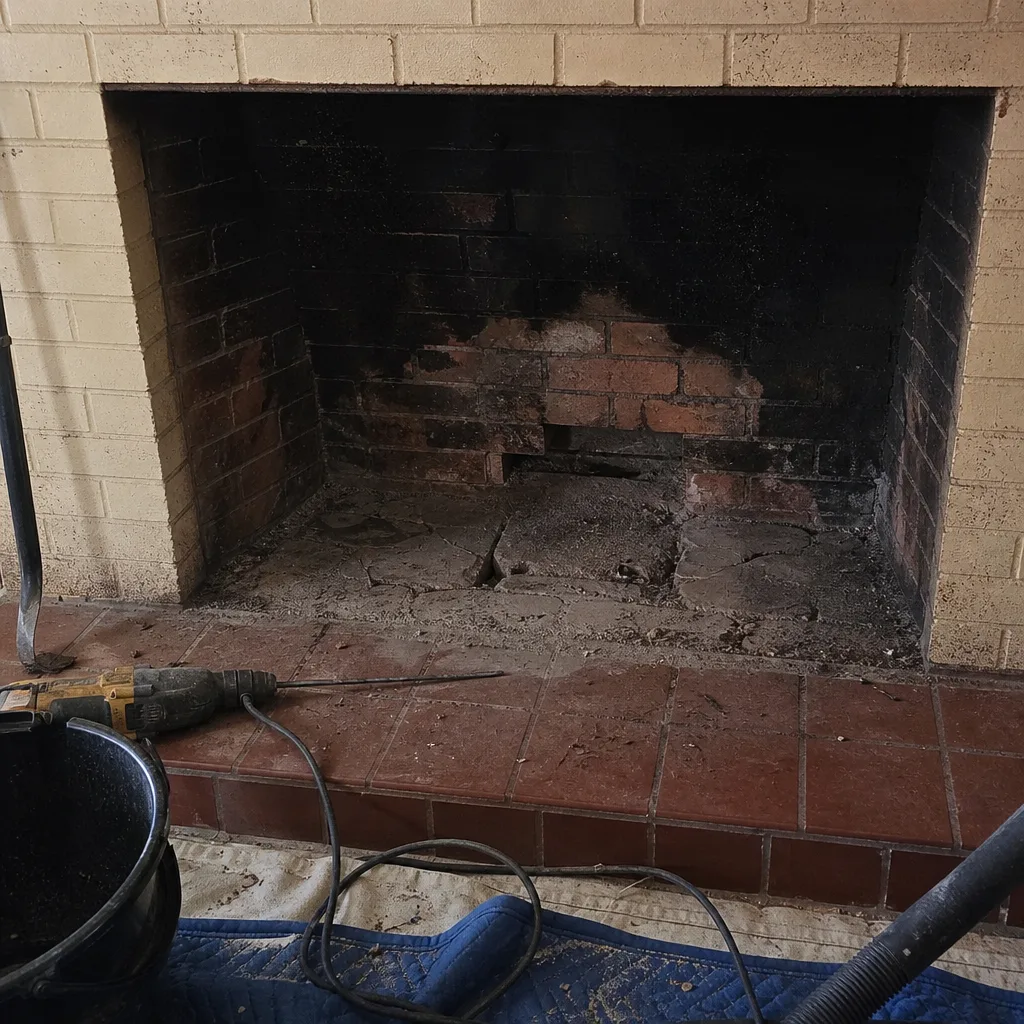 Before
 After
 Before
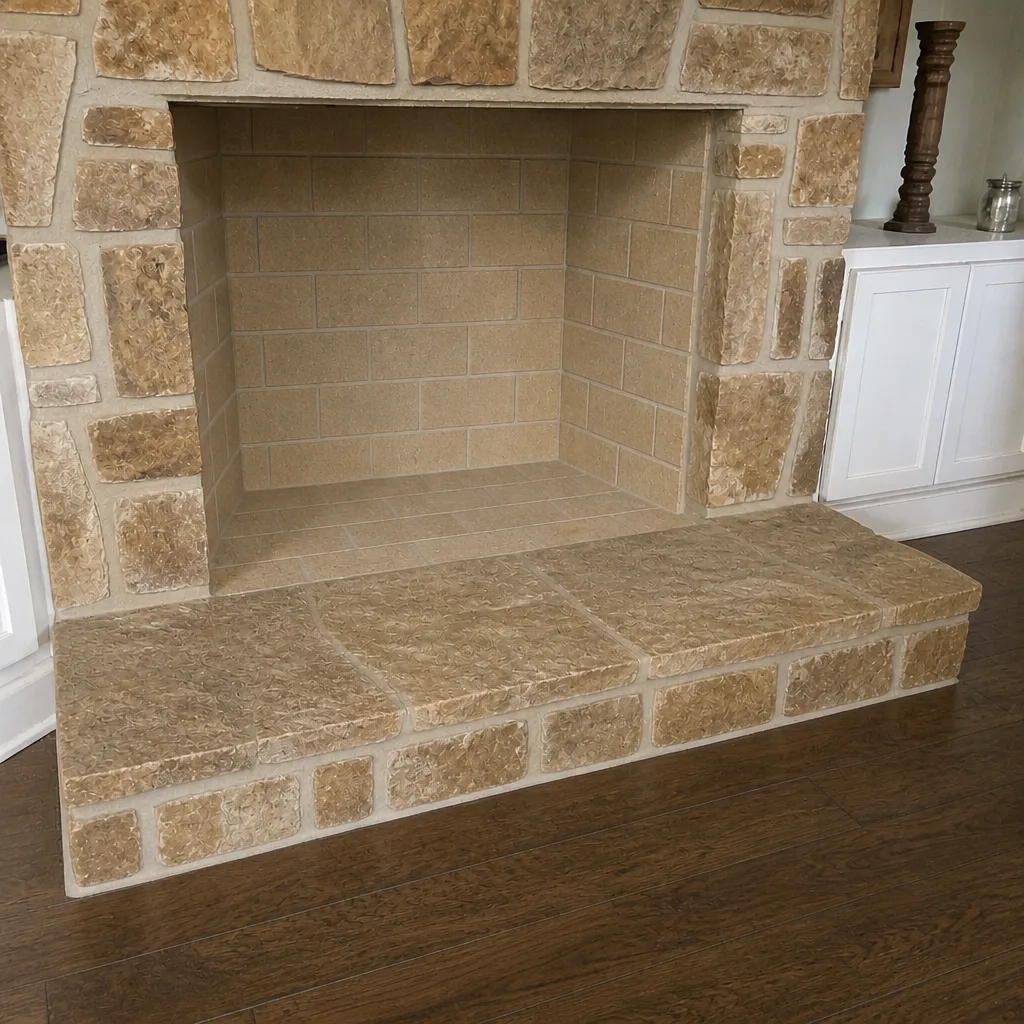 After
When to Call a Professional
Call a professional chimney contractor if you haven’t had the chimney swept in a year of regular burning, if you notice smoke rolling into the room when the fire is lit, if you smell a strong creosote odor when the fireplace isn’t in use, if the damper doesn’t open or close smoothly, or if you’ve never had the chimney inspected since buying the home. Also call if a previous inspection turned up a defect that was noted but never resolved. In Tyler, where older masonry chimneys are common and wood-burning appliances are widely used, these are the scenarios that most often reveal a problem worth fixing before it becomes urgent. Chimney Sweep Tyler offers free estimates in Tyler – call (866) 389-3453. We answer 24/7. Fast dispatch from 7am to 7pm, Sunday through Friday.
Frequently Asked Questions
Chimney sweeping in Tyler is priced per job by written estimate, so the price depends on the number of flues, the condition of the chimney, and whether the appliance needs to be removed for access. The estimate is free, and the written scope of work sets the final price before any work begins. Call (866) 389-3453 for an exact quote – estimates are free.
Not necessarily. A new liner is recommended when the existing liner can’t safely vent the appliance attached to it – a cracked clay tile liner, a liner that’s not rated for the appliance’s heat output, or a liner that’s deteriorated past resurfacing. HeatShield resurfacing is often the right answer before full relining, and in many cases no liner work is needed at all. Nothing is recommended without camera evidence you can see for yourself, and we’ll tell you plainly if the work can safely wait. Call (866) 389-3453 for an exact quote – estimates are free.
A chimney used regularly for wood-burning should be swept annually, or more often if creosote buildup exceeds the threshold that matters – the trade rule of thumb is roughly a quarter-inch of buildup. A chimney that’s used rarely still benefits from an annual inspection to catch deterioration before it becomes a repair. Call (866) 389-3453 for an exact quote – estimates are free.
Creosote accumulates and hardens, and at higher stages it’s the fuel for a chimney fire. That’s a genuine risk, not a scare tactic – it’s why the annual sweep exists. Skipping the sweep also means skipping the inspection, which is where early-stage liner and flashing problems get caught before they escalate. In Tyler’s housing mix, older chimneys are the ones most likely to hide those problems for years. Call (866) 389-3453 for an exact quote – estimates are free.
Ask for a certificate of insurance before booking and check three things: that the coverage is current, that the business name on the certificate matches the business you’re hiring, and that both general liability and workers’ compensation are included. A professional operation sends the certificate without hesitation. Call (866) 389-3453 if you have questions about our coverage documentation.
Yes, and for a chimney contractor in Tyler it’s the right structure. When the technician who sweeps also inspects and repairs, findings don’t get handed off to a second company with no stake in the first company’s diagnosis. Our work with brands like Copperfield, DuraFlex, and HeatShield is all handled by the same team – sweep, inspection, and repair under one accountability. Call (866) 389-3453 for an exact quote – estimates are free.
The Bottom Line
Hiring a chimney contractor in Tyler comes down to what they know, not what they advertise. Verify the CSIA, NFI, or NCSG credentials by name. Insist on a certificate of insurance and read it. Ask about liner sizing, creosote stages, and draft – and listen for fluency, not buzzwords. Require a written scope of work before money changes hands, and read reviews for specific findings rather than vague praise. Keep sweep, inspection, and repair with a single company so accountability stays in one place. None of this requires technical expertise. It requires the right questions, asked in the right order.
Chimney Sweep Tyler handles chimney sweeping, chimney inspection, and chimney repair with professional-trade materials, including DuraFlex flexible liner systems, HeatShield resurfacing, and Famco and Copperfield components. The same team that inspects also repairs, so problems found during a sweep get diagnosed and explained clearly, with the option to wait when waiting is safe. If you’re ready to schedule, we invite you to call (866) 389-3453 for a free estimate. We answer 24/7. Fast dispatch from 7am to 7pm, Sunday through Friday.
Written by the team at Chimney Sweep Tyler.