
Last updated November 15, 2026
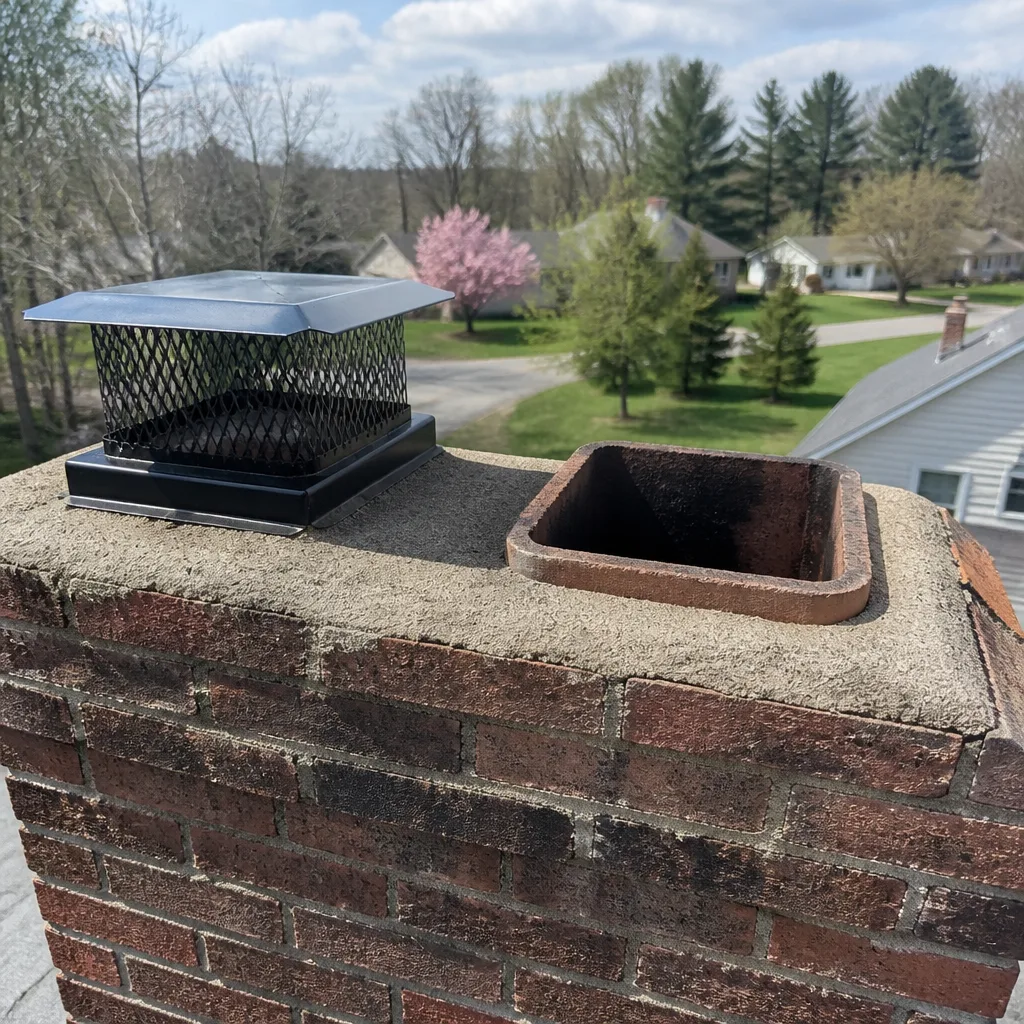 Sweep & inspection
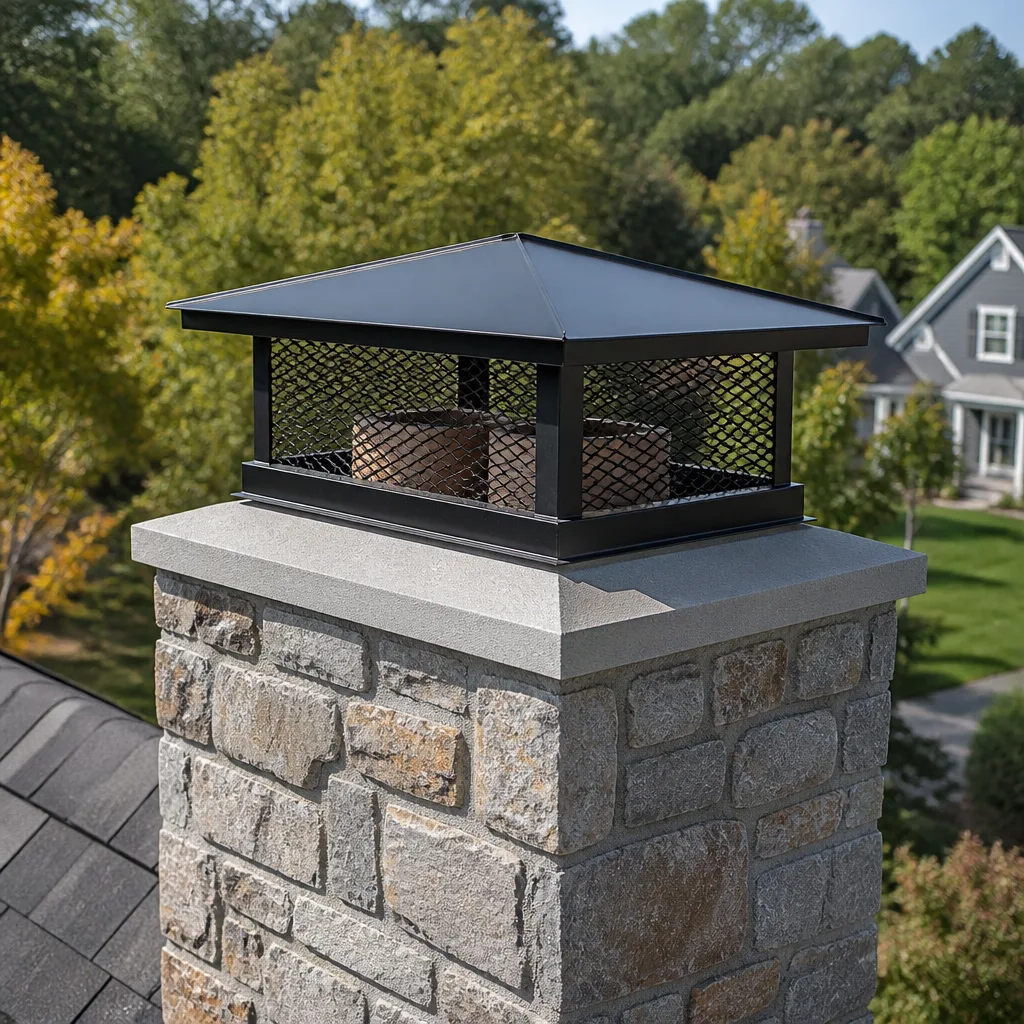 Caps & crowns
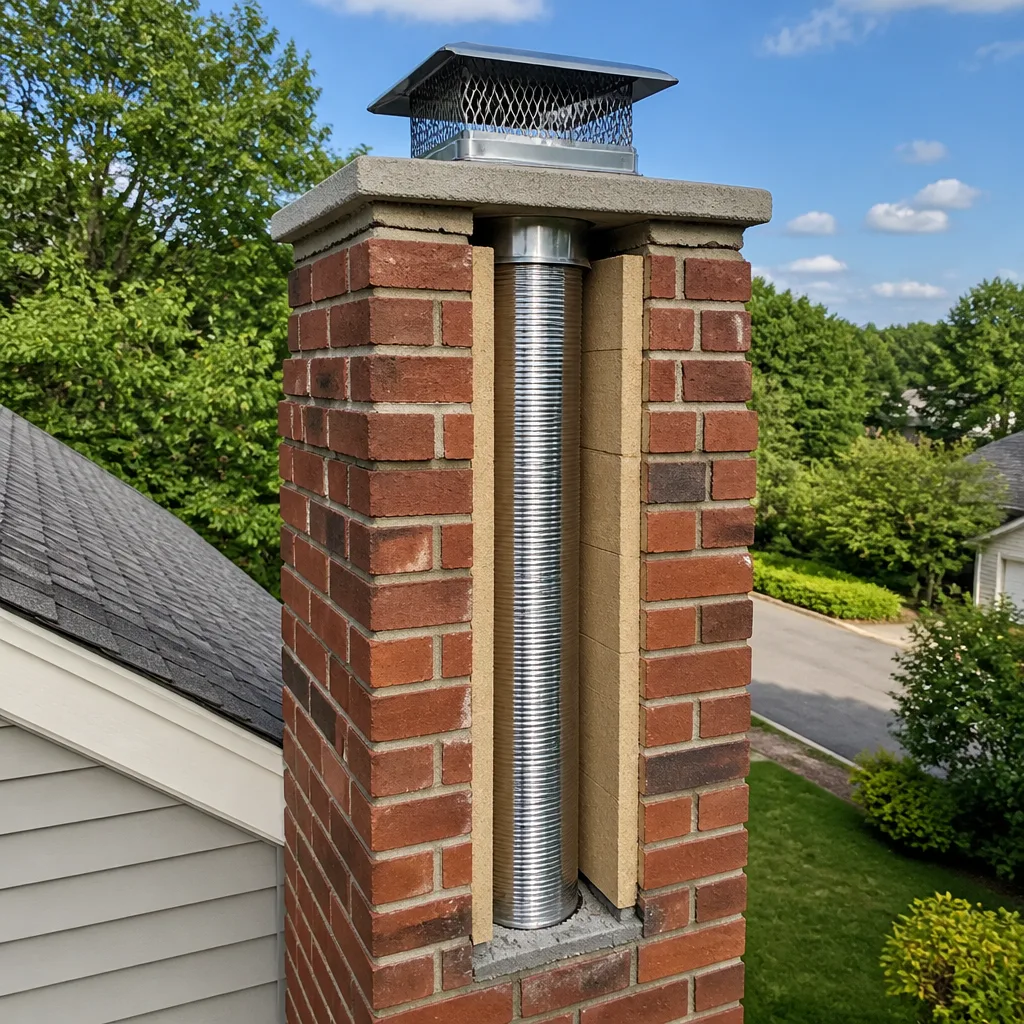 Flue relining
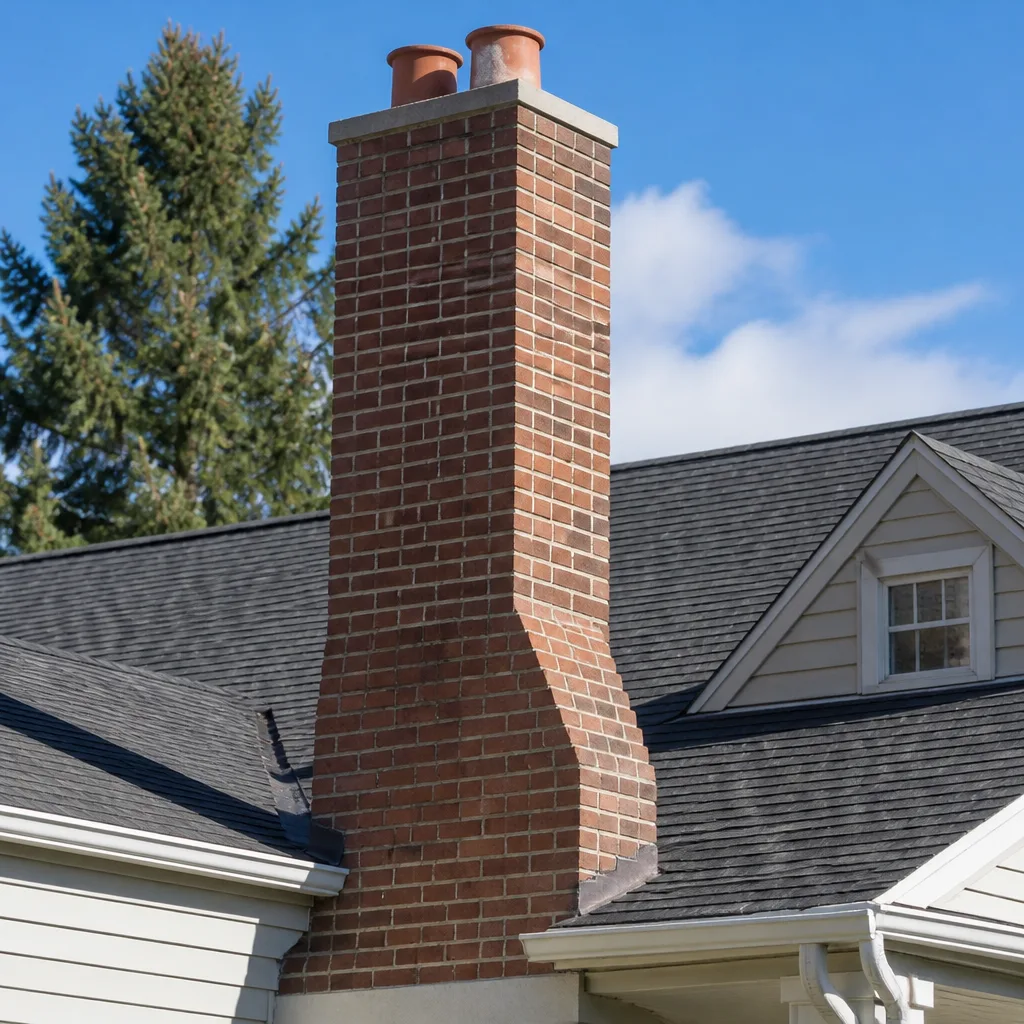 Masonry repair
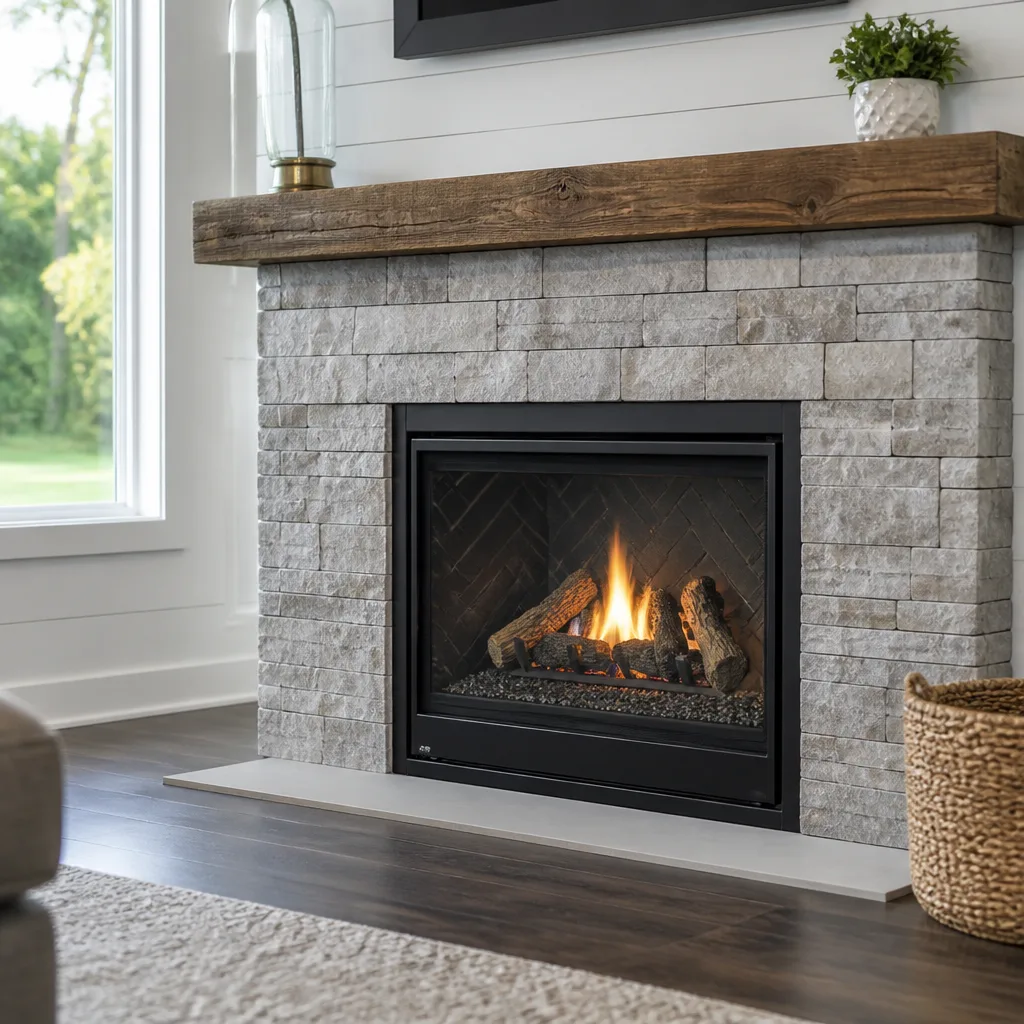 Gas fireplace service
Level 1 sweep and inspection to the NFPA 211 annual standard - flue, crown, cap, and flashing checked and photographed
Chimney sweep logs do not sweep chimneys. They loosen some creosote - which then falls where a brush and vacuum still have to collect it.
Chimney Cleaning Emergency Preparedness Guide for Tyler Homes
Most homeowners believe they’ll know a chimney fire when they see one. In our experience, that’s the most dangerous assumption in the house. A chimney fire can burn hot enough to warp a metal flue and travel from the flue into attic framing faster than most people can find their shoes, and the earliest signs are often things you hear or smell rather than see. What separates a scary evening from a structural loss is a short, rehearsed sequence of actions in the first three minutes. This guide walks Tyler homeowners through that sequence, how to tell an active fire from a smoldering one that’s already out, what to tell dispatch so help arrives correctly, and the post-fire inspection that decides whether the chimney is safe to light again.
Quick Answer
If you suspect a chimney fire, get everyone out of the house, call 911, and tell the dispatcher it’s a chimney fire with the appliance still connected. Close the damper only if you can do it safely and the fire hasn’t spread beyond the flue, never pour water down a hot flue, and don’t use the fireplace again until a Level 2 inspection confirms the flue, liner, and surrounding framing are intact. Knowing these four things before you need them is what makes the difference when a fire starts.
Styles & brands we work with
- Sweep & inspection
- Caps & crowns
- Flue relining
- Masonry repair
- Gas fireplace service
Table of Contents
- The First Three Minutes of a Chimney Fire
- Active Chimney Fire vs. Smoldering: How to Tell the Difference
- What to Tell the Fire Department Dispatcher
- Post-Fire Protocol: Why a Visual Check Isn’t Enough
- Preventive Equipment Every Tyler Home Should Have
- Why Creosote Builds Faster Than You Think in East Texas
- Inspection Levels and What Each One Covers
- Building a Family Chimney Emergency Drill
The First Three Minutes of a Chimney Fire
The first three minutes are not about saving the chimney. They’re about getting people out and giving firefighters useful information. A chimney fire that stays inside the flue is a repairable event; a chimney fire that reaches the attic is a structure fire. The sequence below is what we recommend families rehearse, because on the night it happens, panic erases anything you haven’t practiced.
- Sound the alarm and move people out. Yell “chimney fire” loudly enough to be heard throughout the house, and move everyone, including pets, to a point outside away from the chimney side of the house. Do not stop to gather belongings or check on the fire from another room.
- Close the glass doors or the firebox door. If the appliance has a door or glass front, close it. This limits how much air reaches the fire and keeps embers inside the firebox. Do this only on your way out.
- Close the damper, but only if it’s safe. Closing the damper starves the fire of oxygen and helps keep heat and flame inside the flue. Skip this step if the stove or firebox is too hot to approach, if smoke is already pouring into the room, or if the appliance is a gas or pellet unit you don’t know how to shut down. Your life is worth more than a damper handle.
- Deploy a chimney fire extinguisher at the firebox opening, not down the flue. Products like Chimfex are designed to be tossed into the firebox where the stick releases a chemical that suppresses the fire and reduces available oxygen. Never spray a standard dry-chemical or water extinguisher down the top of the chimney, and never pour water onto a hot flue.
- Leave the house and call 911 from outside. Hand your phone to someone else if you have another adult with you so that person can call while you finish shutting things down.
- Don’t re-enter. If you smell smoke in the house, see discoloration on walls or ceiling, or notice heat coming from the chimney chase on an exterior wall, stay out. Those are signs the fire has moved beyond the flue.
The Tyler Fire Department responds quickly, but the arithmetic doesn’t favor waiting. In those first minutes a homeowner who knows the sequence is the most important safety equipment in the house. Rehearse it twice a year with everyone in the home so the steps are automatic rather than a frantic search.
Active Chimney Fire vs. Smoldering: How to Tell the Difference
Not every chimney fire is the roaring, shaking event people imagine. Many are slow, quiet, and already out by the time anyone notices. Knowing which kind of fire you’re dealing with changes what you should do next, and it changes what a professional needs to look for after the fact.
Signs of an Active Chimney Fire
- A roaring or rumbling sound that resembles a freight train or a low-flying aircraft, often described as a low frequency hum or roar coming from the chimney.
- Shaking or vibrating flue pipe on a metal chimney, or a masonry chimney that feels hot to the touch on its exterior surface.
- Sparks or flames visible from the top of the chimney cap, especially a steady plume rather than an occasional pop.
- Dense smoke from the top of the chimney in a color that isn’t the usual thin grey of a working fire, particularly dark or black smoke.
- A hot smell inside the house that isn’t wood smoke, closer to burning metal or a chemical odor.
Signs of a Smoldering Fire or One That’s Already Out
- A puff of smoke followed by a return to normal draft, often the result of a small creosote ignition that extinguished itself when the air supply cut off.
- Warped or discolored damper or firebox components noticed after the fact, which is often the first evidence of a fire that already happened.
- Cracked or heat-stained chimney cap, or a visible warping of the liner near the top.
- Creosote that looks like puffy, popcorn-textured material inside the flue, which often indicates a fire burned through and left the residue behind.
An active fire demands the evacuation sequence above. A smoldering fire or one that’s already extinguished still demands professional attention, because it may have compromised the liner even if you never called anyone. We’ve seen chimneys where the only visible damage was a thin crack behind the damper, but the fire had opened a path for creosote and heat to reach the framing. That’s a call the fire department can’t make and a homeowner can’t either. It requires an inspection with proper equipment, and that’s a job for a trained technician.
What to Tell the Fire Department Dispatcher
When it matters most, dispatchers need specific information, not a description of what you’re feeling. A chimney fire and a structure fire require different responses, and the details you give in the first thirty seconds shape how firefighters approach your house.
- Say “chimney fire” first. Dispatchers hear a lot in a short time. Open with the specific type of incident so the right unit is dispatched.
- Say whether the fire is still active. “It’s still roaring” or “I think it’s out but I’m not certain” are both useful. Direction matters less than the condition.
- Describe what kind of appliance is connected. Wood stove, open fireplace, wood insert, pellet stove, or gas log set each changes the response. If the appliance is gas, say so.
- Describe what material the chimney is built from. A factory-built metal chimney has different failure modes than a masonry chimney, and this affects how firefighters approach the exterior.
- Say whether you smell smoke in the house. “The house smells like smoke now” is a signal that the fire may have breached the flue and is worth stating clearly.
- Say whether anyone is inside and where they are. Give your address and the number of people in the house. “Everyone is out” is one of the most helpful things you can say.
- Stay on the line. Dispatchers may ask follow-up questions to guide units arriving on scene. Answer them and stay put.
What you should not do is describe the chimney fire as “small” because the flames aren’t visible from inside. Chimney fires burn hot and move fast in the space above your roofline, and a smaller fire inside the firebox can still be a serious event inside the flue. Tell the dispatcher what you’re hearing and seeing, not what you think it probably is.
Post-Fire Protocol: Why a Visual Check Isn’t Enough
Once the fire is out and the crews are gone, the hard part begins. A fire that looked contained from the ground can leave hairline cracks in a clay tile liner, warped metal on a factory-built chimney, or heat damage to the framing around the chase. None of that is visible from the ground or from the firebox. Before you light that fireplace again, you need a real inspection.
What a Post-Fire Level 2 Inspection Covers
- A video scan of the flue from top to bottom, which is the only way to see cracks, gaps, or missing mortar behind a bend.
- Checking the chimney top and cap for damage, warped screens, or missing components that allow water and animals in.
- The appliance connection, including the firebox, damper, and connector pipe on a stove or insert.
- Any adjacent combustible materials the chimney passes near, including framing, sheathing, and attic materials.
- The exterior of the chimney for cracks in the crown, joints, or chase cover that open a path for water intrusion.
The National Fire Protection Association’s guidance calls for a Level 2 inspection when a chimney has been subject to a chimney fire, because a Level 1 check (the routine annual inspection) doesn’t include the video scan and doesn’t go into the parts of the flue that a fire most often damages. Skipping this step is the most common reason a chimney that survived the fire causes a problem later, either through water damage after the liner cracks or through a second fire that travels through the compromised flue.
If the scan shows damage, we work from the results of that inspection, using a HeatShield resurfacing system when the liner is sound enough to repair and DuraFlex liner components when it needs to be replaced. The point is that the fix matches what we actually saw in the camera footage, not what a guess suggests. The written report and photos go to you, so you can see exactly what we’re recommending and why. Every recommendation comes with a clear note about whether it can safely wait until spring or needs to be handled before the next fire.
Preventive Equipment Every Tyler Home Should Have
Preparedness isn’t just about knowing what to do. It’s about having the right equipment in the right place when the three minutes start. The following list represents what we recommend for any home with a working fireplace or wood stove, and none of it is expensive relative to the cost of a structure repair.
Chimney Fire Extinguisher
A chimney fire suppressant stick, like the Chimfex product, releases a chemical when tossed into a hot firebox that cuts the oxygen available to the fire and cools the flue immediately. Keep one within reach of the fireplace. It’s not a substitute for evacuating and calling 911, but it can buy time. Read the directions once before you need them, and check the expiration date once a year.
Smoke Detectors and Placement
- One inside each bedroom and in the hallway outside each sleeping area. These are the standard recommendations and they apply to chimney emergencies.
- One in the room where the fireplace is located, mounted on the ceiling or high on the wall, at least three feet from the firebox so it doesn’t trigger from normal use.
- One in the attic if the chimney passes through the attic space, because a fire in the flue can ignite attic material before smoke reaches a living space.
Carbon Monoxide Alarm
A CO alarm in the same room as the fireplace, and one near the sleeping area, is standard safety equipment for any home with a wood-burning appliance or a gas connection. Carbon monoxide is a combustion byproduct and a compromised flue can let it back into the house without any visible smoke.
A Chimney Thermometer (for stove and insert owners)
Stove owners who run their appliance at a temperature that consistently produces a clean burn build up less creosote than owners who run them hot then cold. A stack thermometer is a low-cost way to catch an over-temp condition before the flue is stressed.
If you’re outfitting a fireplace for the first time, or if you suspect your existing equipment is incomplete, our Chimney Sweep Tyler team can walk through a checklist during your next annual visit and tell you what’s missing. Having the equipment in place before winter matters more than having the best equipment on the market.
Why Creosote Builds Faster Than You Think in East Texas
East Texas winters are mild, which is precisely why creosote can build faster here than in colder climates. The problem is not cold weather; it’s the way people burn. A homeowner who lights a fire on a 50°F evening for three hours, then lets it go out, and does that several nights a week from November through February, running the appliance at low to moderate heat for short periods, is building up more creosote than someone running a fire hot for six hours straight in a colder climate. Cool, smoldering fires produce more of the unburned material that becomes creosote. Hot fires burn it off.
The specific factors we see in Tyler that accelerate creosote buildup:
- Short burn cycles on cool evenings. A fire lit for two or three hours and allowed to smolder produces more creosote per hour than a long, hot burn.
- Damp or poorly seasoned firewood. East Texas humidity is unfriendly to wood storage. Wood that reads dry on the outside can hold moisture inside. We recommend a moisture meter and seasoned wood below 20% moisture content.
- Low draft chimneys on additions or homes where the flue run is short, which allow smoke to linger and deposit on the liner walls.
- Burning paper and trash, which produces more fly ash and flammable residue than seasoned wood.
In our experience, a Tyler chimney can accumulate a meaningful layer of creosote in a single season of cool-weather burning. That’s why we recommend an annual chimney sweep for any home that burns wood on a regular basis, and why we measure the buildup during the sweep rather than guessing at it. A clean chimney is a measurable thing. Camera inspection and photo documentation are part of the visit, so you know what was in the flue and what came out, not just that someone swept it.
Inspection Levels and What Each One Covers
Not every inspection is the same job. The industry recognizes three levels, and knowing which one you need makes a difference in what you should expect to pay and what the report should contain.
| Level | What It Covers | When You Need It |
|---|---|---|
| Level 1 | Visual check of the accessible parts of the appliance, firebox, and flue, without tools beyond a flashlight and basic inspection equipment | Annual maintenance visit when nothing has changed |
| Level 2 | Everything in a Level 1, plus a video scan of the entire flue and inspection of accessible attic and crawl spaces | After a chimney fire, after a liner or appliance change, when buying a home, or when a Level 1 turns up a concern |
| Level 3 | Everything in Levels 1 and 2, plus removal of parts of the chimney or building to access concealed areas | When a serious hazard is suspected and needs to be confirmed before a repair plan can be made |
Most Tyler homeowners need a Level 1 on a routine visit and a Level 2 after any fire or change in the system. We rarely recommend a Level 3 unless there’s a specific reason, because it involves opening the structure, and we won’t recommend that unless the lower levels have already shown a concern that can’t be resolved another way.
If you own a home with a factory-built chimney and a stove that was installed before you moved in, a Level 2 inspection is the right starting point. That gives you a clear picture of the liner and connector condition before a problem is discovered during a busy season. When the inspection turns up a damaged liner, we handle the chimney repair side of the work with the same team that scoped the flue, so there’s no gap between the diagnosis and the fix.
Building a Family Chimney Emergency Drill
The best-prepared households are the ones that have practiced. Two run-throughs a year, ideally one in early fall and one midwinter, take about fifteen minutes and make the difference between a rehearse-and-respond household and a scramble household. Here’s how to run one.
- Walk everyone through the three-minute sequence in the room where the fireplace is. Point out the glass doors, the damper handle, and the location of the chimney fire extinguisher.
- Assign roles. One adult closes the doors and damper, one adult grabs the extinguisher and gets kids and pets out the front door, one person calls 911. If you live alone, rehearse a version where you do each step in the right order.
- Pick a meeting point that’s away from the chimney side of the house and won’t confuse firefighters walking up. A neighbor’s driveway works.
- Test the smoke and CO detectors on the same day you run the drill, and replace the batteries when you do a fall sweep.
- Time the drill and write down how long it took. If it’s over three minutes, simplify the plan.
- Review after the drill. Ask younger family members to explain the sequence back to you, and adjust anything that confused them.
One thing that helps: leave the written sequence taped inside a cabinet near the fireplace. Panic erases memory, but it doesn’t erase a note. And schedule your annual sweep for before the burning season starts rather than after a chimney fire forces the issue. Booking early in the fall means the sweep, inspection, and any repair you need happen before your first fire, not after a fire you weren’t ready for.
Common Mistakes to Avoid
- Wetting down a hot flue with water. Pouring water down a chimney that just saw a fire can crack clay tiles and warp a metal liner. If you can’t safely close the damper, evacuate and let trained crews handle it.
- Waiting for a visible flame to call 911. A chimney fire can be over before you see a flame and can still have damaged the liner. If you heard a roar or smelled the fire, call and report what you observed.
- Using the fireplace again before a Level 2 inspection. The most common post-fire mistake we see in Tyler is a homeowner who lights the fireplace the next weekend because “everything looked fine.” A crack in a tile liner isn’t visible from the firebox.
- Spraying a standard extinguisher up the chimney. Standard extinguishers are not designed for use inside a flue. Use a chimney-rated suppressant at the firebox opening, or get out and let the fire department handle it.
- Assuming a smoldering fire is safe because it’s small. Cooler, smoldering fires produce more creosote than hot ones, and a small fire that survives inside the flue can still weaken the liner over hours.
- Skipping the annual sweep because the firewood looks clean. Creosote forms from the smoke, not from ash or debris. Clean-looking wood doesn’t predict a clean flue, and a camera scan is the only way to know what’s on the liner walls.
- Burning green or damp wood because it’s what’s available. Wet wood spends energy boiling off water, which keeps the fire cool and the creosote high. Seasoned wood under 20% moisture content burns cleaner and heats the flue enough to reduce buildup.
See the difference
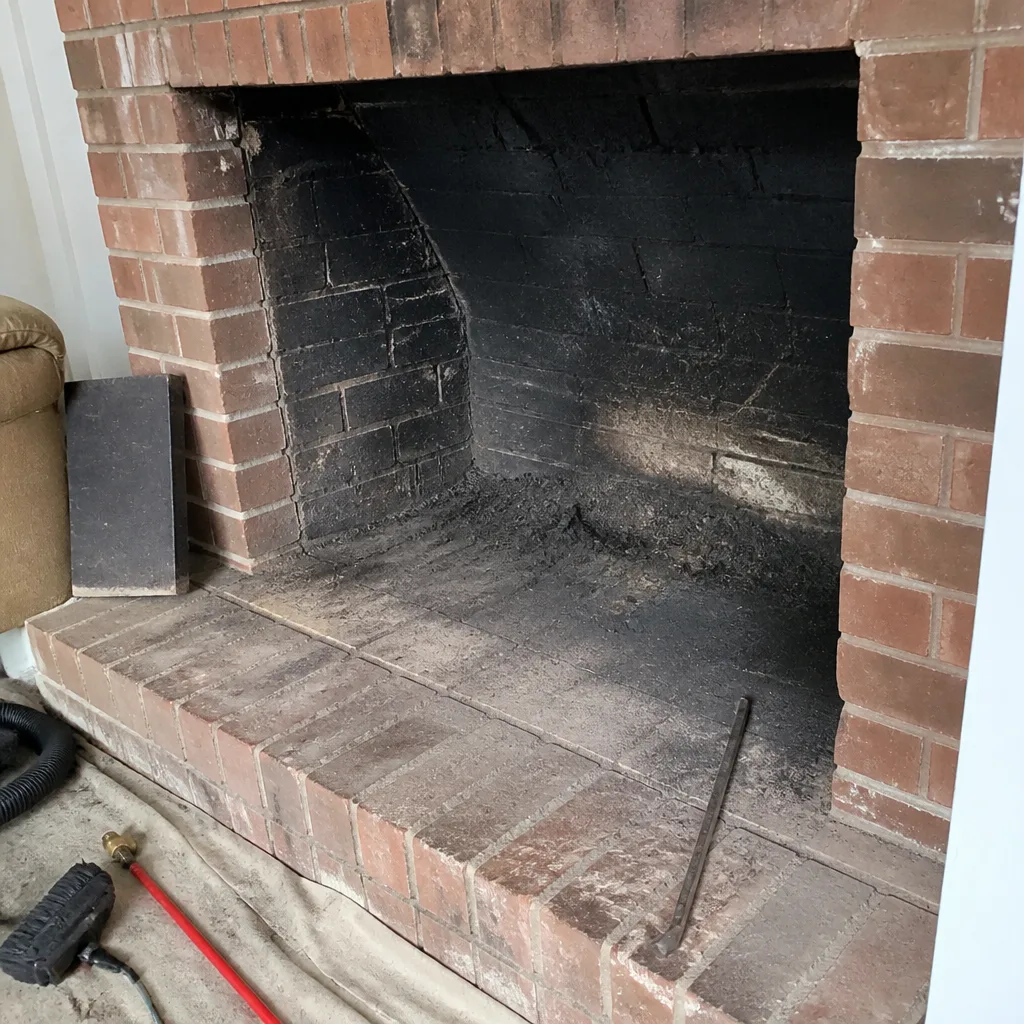 Before
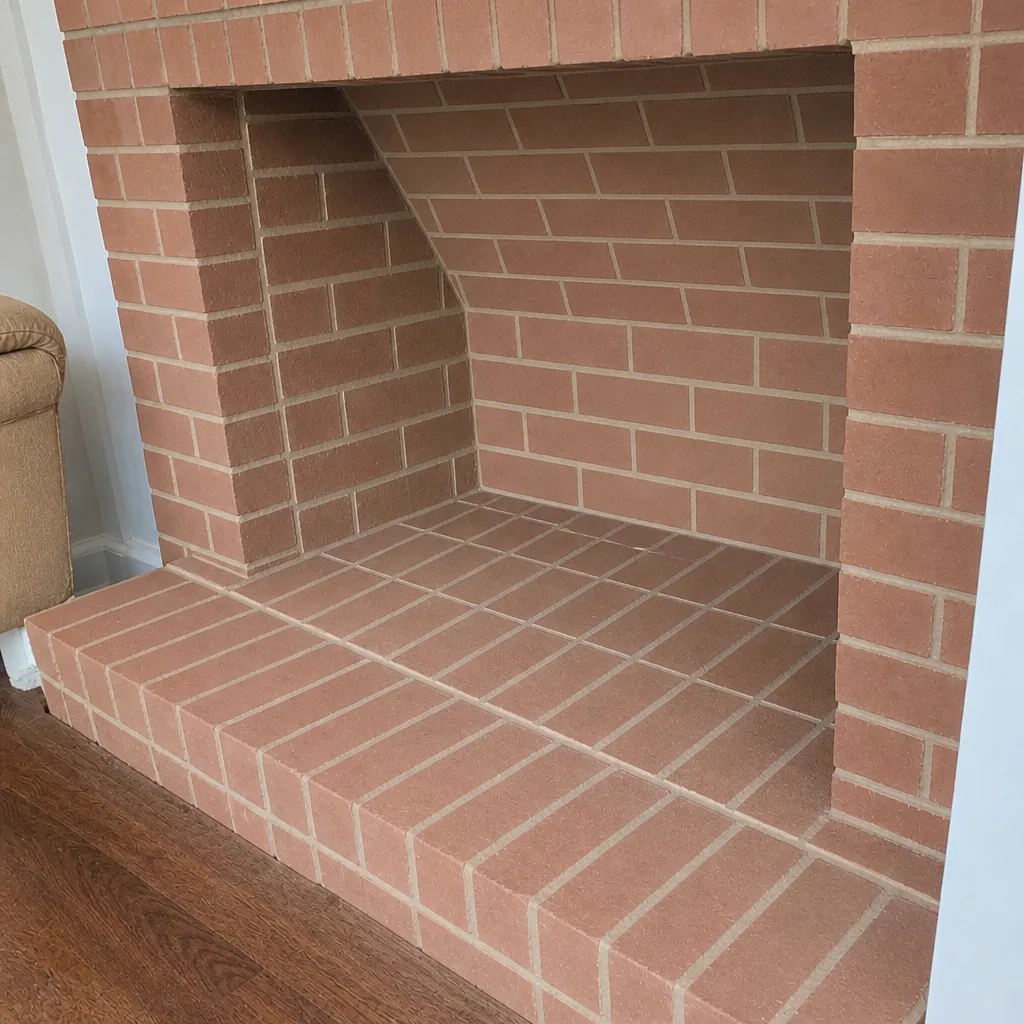 After
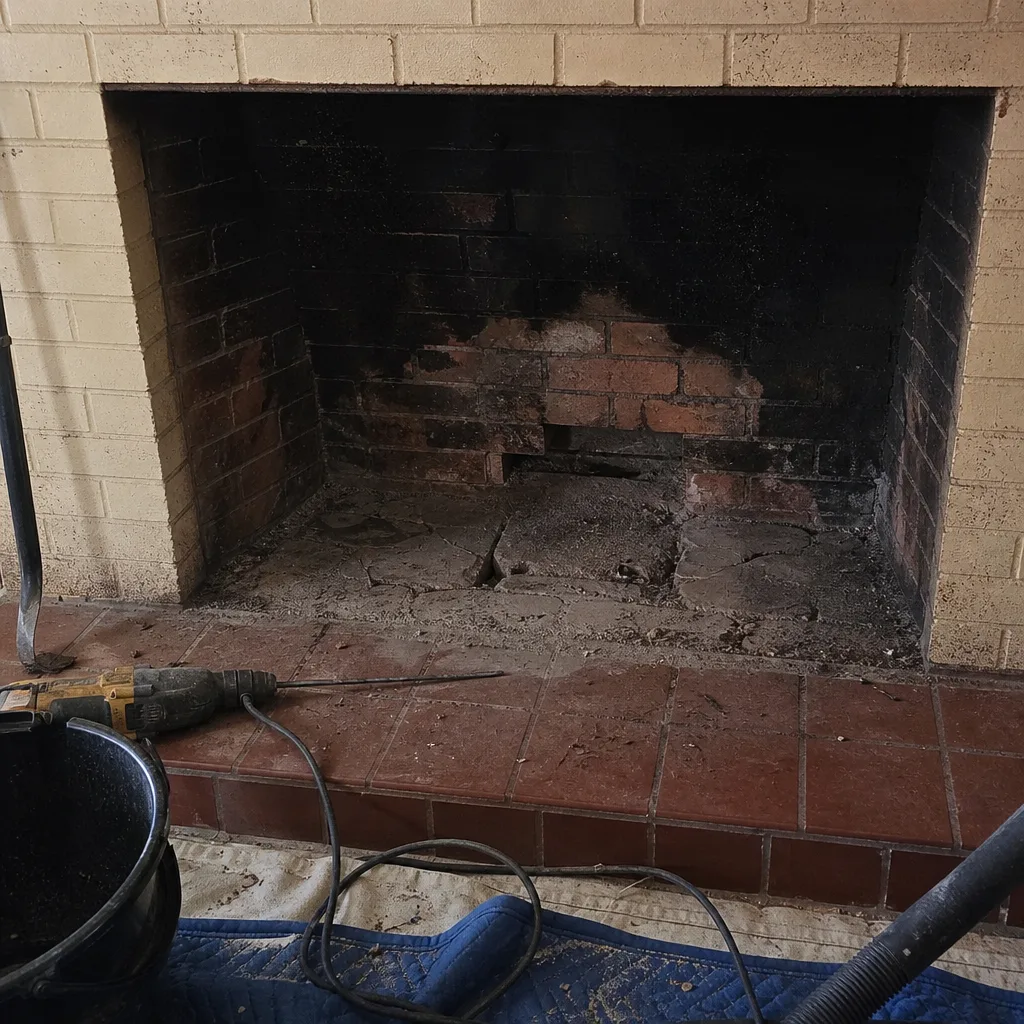 Before
 After
 Before
 After
When to Call a Professional
Some chimney concerns can wait for the annual visit. Others can’t. Call a professional before you light the fireplace again if any of the following apply: you’ve had an active chimney fire this season or any time previously in the home; you smell smoke in the house when the fireplace isn’t burning; you see soot or dark residue on the fireplace doors or the wall above the firebox; a factory-built chimney was installed by a previous owner and you don’t have documentation of the liner condition; you’ve seen creosote that looks puffy or textured inside the flue; or your smoke or CO alarms have gone off without an obvious cause. Outside those situations, the annual sweep is enough for most homes, especially when it’s bookended by a camera inspection. Chimney Sweep Tyler offers free estimates in Tyler. Call (866) 389-3453. We answer 24/7, and fast dispatch from 7am to 7pm, Sunday through Friday, gets you on the schedule without guesswork. Our technicians have up to 11 years of experience, and we work with professional-trade brands including HeatShield, DuraFlex, Copperfield, and Gelco so the repair matches what the inspection actually found.
Frequently Asked Questions
A routine sweep and a Level 1 inspection typically run in the low to mid hundreds, and a Level 2 inspection with a video scan and photo report costs more because of the extra work. The written estimate sets the final price, and we won’t quote you a number for a repair until the inspection is done. Call (866) 389-3453 for an exact quote. Estimates are free.
The clearest signs are a roaring or rumbling sound from the flue, a shaking metal chimney, sparks visible from the cap, or a puff of smoke followed by a strong burnt smell. If you experienced any of those, treat the chimney as though it had a fire even if you never saw a flame, and get a Level 2 inspection before you light it again. Call (866) 389-3453 to schedule one.
Not until a Level 2 inspection confirms the liner and surrounding framing are intact. A small fire can leave cracks in a clay tile liner or warp a metal flue that aren’t visible from the firebox, and a second fire through a compromised liner can reach the attic. Call (866) 389-3453 to get an inspection on the schedule.
We recommend one for any home with a working fireplace or wood stove. A chimney-rated suppressant like Chimfex is meant to be tossed into the firebox to cut the fire’s air and heat before it climbs the flue, and it buys the minutes before firefighters arrive. It doesn’t replace evacuation and 911, and it doesn’t replace the annual sweep. Call (866) 389-3453 to add one to your next visit.
A smoke roll-out is smoke coming into the room because the draft reversed or the fire was just lit, and it doesn’t usually damage the flue. A chimney fire burns inside the flue and can damage the liner, and it often comes with a roar, a hot smell, or visible sparks. If you can’t tell which happened, describe what you heard and smelled when you call. Call (866) 389-3453 and we’ll tell you what to do next.
Once a year for any home that burns wood regularly, and more often if you burn damp wood, run short cool fires, or notice buildup during the sweep. Because Tyler winters are mild and fires tend to be lit for short cool-evening burns, creosote can accumulate faster than the milder climate suggests. Call (866) 389-3453 to book the annual sweep before burning season.
The Bottom Line
A chimney fire is survivable if the homeowner knows the sequence and rehearses it. Close the doors and, if it’s safe, the damper. Deploy a chimney-rated extinguisher at the firebox. Get everyone out and call 911 from outside, and tell the dispatcher it’s a chimney fire with the appliance still connected. When it’s over, don’t light the fireplace again until a Level 2 inspection confirms the liner, flue, and framing are intact. The annual sweep and inspection is what keeps the next fire inside the firebox rather than inside the structure. If you’re behind on yours, that’s the first thing to fix. Call (866) 389-3453 for a free estimate. We answer 24/7, with fast dispatch from 7am to 7pm, Sunday through Friday. Written by the team at Chimney Sweep Tyler.