
Last updated November 15, 2026
 Sweep & inspection
 Caps & crowns
 Flue relining
 Masonry repair
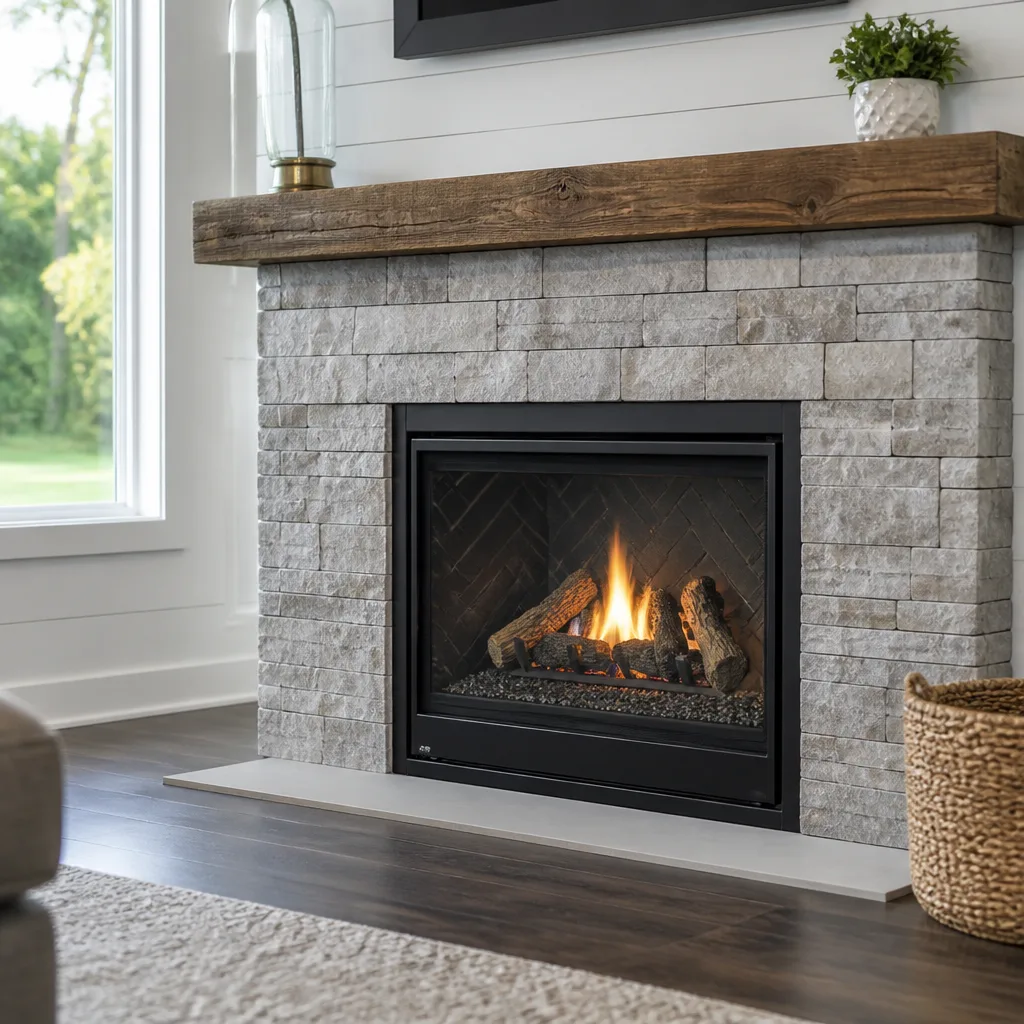 Gas fireplace service
Level 1 sweep and inspection to the NFPA 211 annual standard - flue, crown, cap, and flashing checked and photographed
Chimney sweep logs do not sweep chimneys. They loosen some creosote - which then falls where a brush and vacuum still have to collect it.
Seasonal Chimney Cleaning Care for Tyler: Year-Round Homeowner’s Guide
Most chimney care advice you’ll find online was written for places with long, hard winters and a predictable first freeze. Tyler doesn’t work that way. Here, you might light the first fire in late October, skip most of December because it’s still warm, then burn steadily through a couple of chilly stretches in January and February. That stop-and-start pattern changes almost everything about when to sweep, when to inspect, and what to watch for in the off-season. This guide walks through a full calendar built around how East Texas actually burns – not how Minnesota does. You’ll learn the real pre-season inspection window for Smith County, why mild winters can be harder on a flue than cold ones, how to protect a chimney through Tyler’s humid summers, and what to check right after your last fire of the season.
Quick Answer
For Tyler homeowners, the best time to schedule a chimney sweep and inspection is late summer through early fall, ideally August into September, before the first fire of the season. A second quick check after your last fire of the year catches creosote and moisture problems before the humid off-season sets in. Because Tyler’s winters are short and mild, fires tend to be cooler and shorter, which produces more creosote per log than a hot northern burn – so annual cleaning matters even in a year when you didn’t burn much.
Styles & brands we work with
- Sweep & inspection
- Caps & crowns
- Flue relining
- Masonry repair
- Gas fireplace service
Table of Contents
- Why Tyler’s Climate Breaks the Standard Chimney Calendar
- The Mild-Winter Creosote Problem Nobody Warns You About
- The Right Pre-Season Inspection Window for Smith County
- Summer Chimney Care: Heat, Humidity, and Animals
- Managing a Wood Supply in East Texas Humidity
- Post-Season Checks That Shouldn’t Wait Until Fall
- Your Year-Round Chimney Care Calendar
- Common Mistakes to Avoid
- When to Call a Professional
Why Tyler’s Climate Breaks the Standard Chimney Calendar
The chimney trade has repeated “sweep in spring, inspect in fall” for so long that most homeowners treat it as gospel. That advice made sense in regions where winter arrives on schedule and stays. It fits poorly in Tyler, where burn season is fragmented and the off-season is hot and humid rather than cold and dry. The timing calculus here is genuinely different, and following northern advice can leave you either cleaning a chimney you barely used or skipping a sweep on a flue that quietly built up a real layer of creosote.
Three local realities shape the calendar:
- A short, mild winter. Fires are fewer and often burned at lower, smoldering temperatures than in cold climates – the exact conditions that deposit more creosote.
- Long, humid summers. From late spring through early fall, Tyler’s air holds a lot of moisture. That humidity works on metal liners, masonry, and any creosote left in the flue.
- An unpredictable start to burn season. A cool snap can arrive in October, or the first genuinely cold evening might not come until January. You can’t plan a fall inspection by the calendar alone – you plan it by the likely window before burning begins.
Understanding these three factors is what separates a chimney that’s ready when you need it from one that surprises you. A clean chimney is a measurable thing: an inspector can tell you how much creosote is present and where, and that measurement – not a generic seasonal rule – should drive your plan. Whether you burn a little or a lot, the goal is the same: know what’s in your flue before the season starts and again after it ends.
The Mild-Winter Creosote Problem Nobody Warns You About
Here’s the counterintuitive part: a mild Tyler winter can be harder on your chimney than a brutal northern one. Creosote forms when wood burns incompletely. A hot, roaring fire in a cold climate burns off a lot of the volatile compounds that would otherwise condense on the flue walls. A cooler, gentler fire – the kind we tend to build in Tyler when it’s 45 degrees out and we just want ambiance – doesn’t reach those temperatures as consistently. The result is a flue that accumulates more creosote per cord of wood than a heavy northern burn would.
Creosote comes in stages, and each stage matters:
- First-degree creosote is a light, sooty dust you can brush away easily. This is what an annual sweep clears.
- Second-degree creosote is a denser, flakier deposit – think hardened tar. It clings and needs more than a light brushing.
- Third-degree creosote is a glazed, hardened coating that’s genuinely difficult to remove and is the most combustible form.
We’ve seen plenty of Tyler flues that looked lightly used and still carried a meaningful layer of second-degree creosote, because the fires were short and cool rather than long and hot. That’s why “I only burned a few times” is never a good reason to skip a sweep here. The frequency that serves most Tyler homes is once a year, and in a heavy-burn year or when deposits look thick, an inspector may recommend coming back sooner. The specific number matters less than the habit: check before the season, clean when the measurement calls for it.
The Right Pre-Season Inspection Window for Smith County
In Smith County, burn season realistically starts somewhere between mid-October and early December. Working backward from that, the ideal inspection and sweep window is late August through September. That gives you time to fix anything an inspection turns up – a cracked cap, a deteriorated damper, a liner problem – before the first cool evening, rather than scrambling when the weather finally turns and every other homeowner is trying to book at once.
If you miss that window, don’t skip the inspection entirely. A sweep scheduled in early October still beats one booked in a panic after the first fire. The point is to have a clear picture of the flue before you light anything, not to hit an arbitrary date.
The pre-season inspection should cover more than a quick look up the chimney. A proper inspection checks:
- The firebox and damper for cracks, rust, and proper operation.
- The flue for creosote level, blockages, and the condition of the liner.
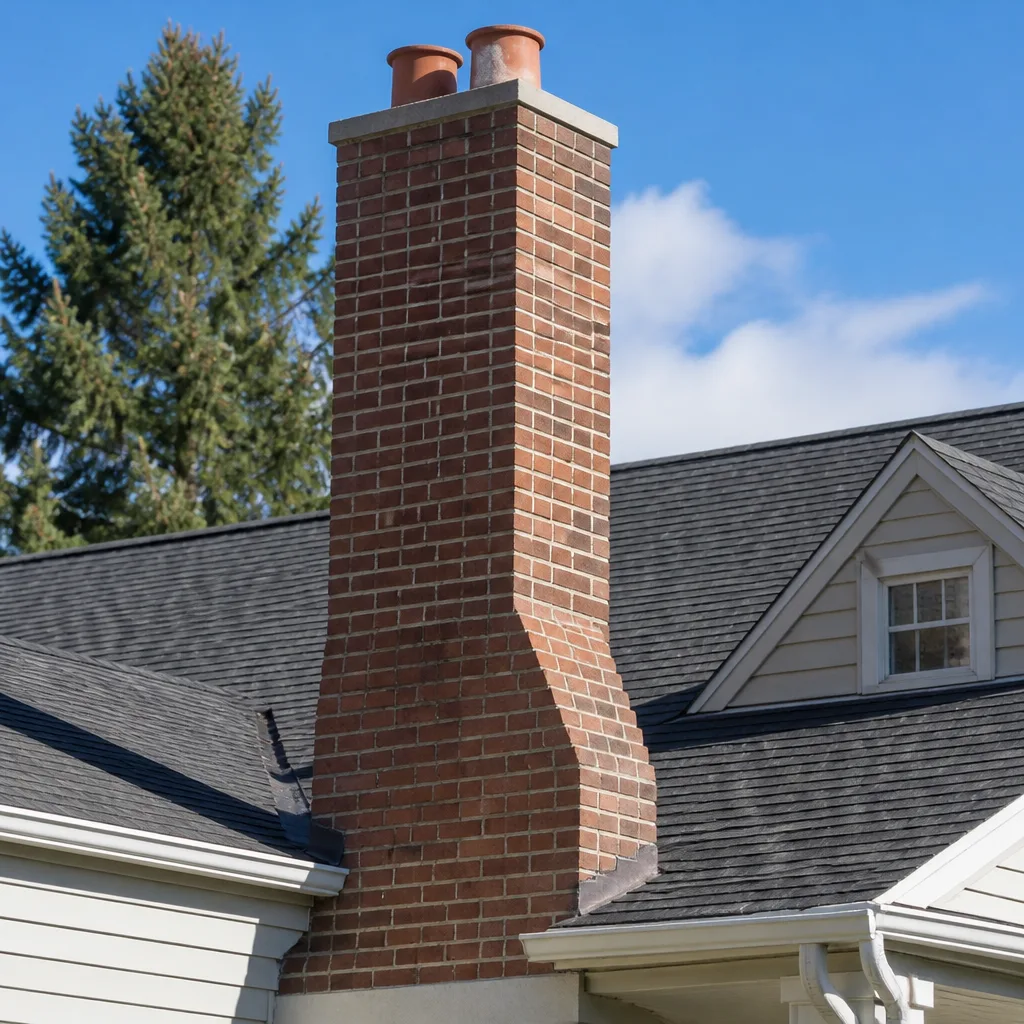
- The chimney exterior, including the cap, flashing, and crown, for cracks and water intrusion.
- The smoke chamber and shelf where accessible, since these collect deposits that a flue brushing alone can miss.
Our inspection work is informed by hands-on repair experience, which matters more than it sounds. A technician who also fixes chimneys recognizes the early signs of a failing liner or a crumbling crown that a quick inspection-only check might pass over. If problems turn up, we handle the chimney repair as well as the chimney sweep, so nothing gets lost between one company finding an issue and another being called in to fix it.
Summer Chimney Care: Heat, Humidity, and Animals
Summer is when a chimney can quietly go downhill without anyone noticing, because nobody’s thinking about the fireplace in August. Tyler’s high heat and humidity are the enemy during the off-season, and three things deserve attention.
Cap integrity
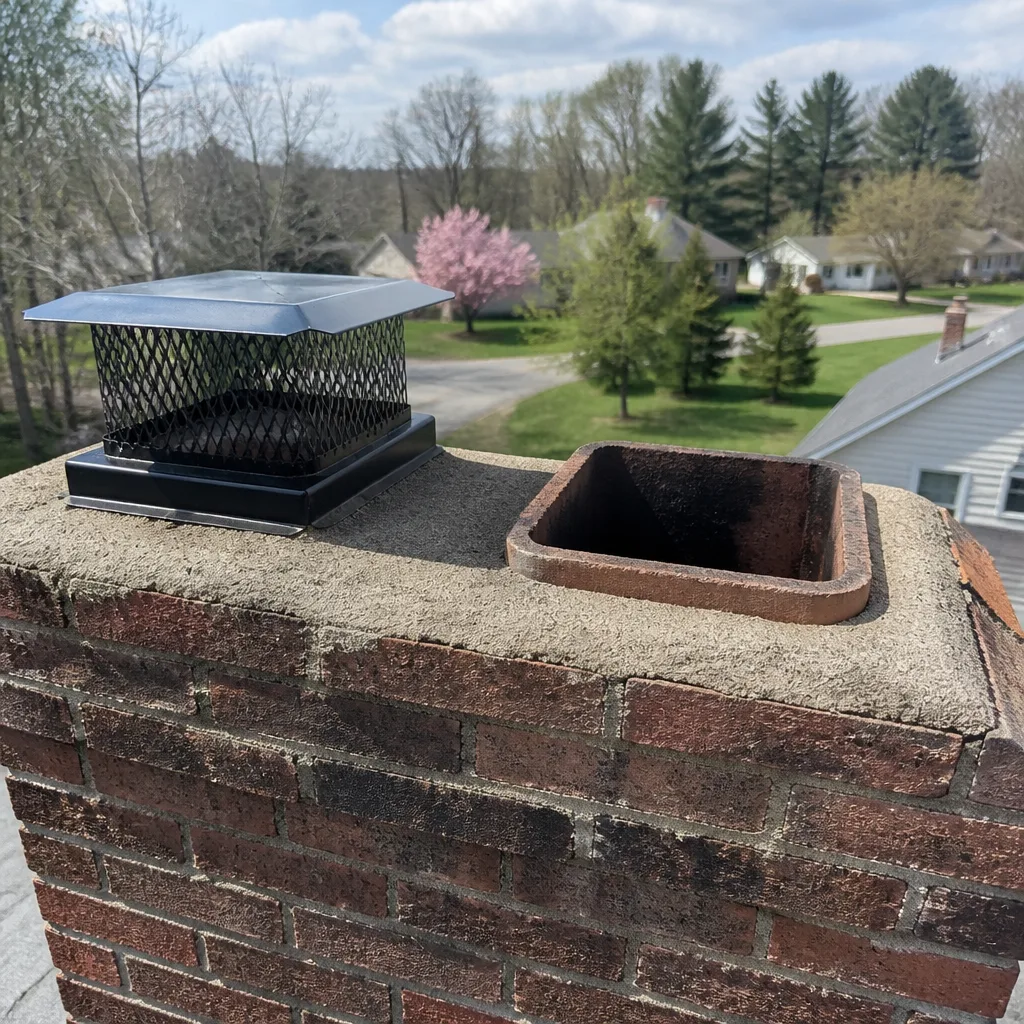
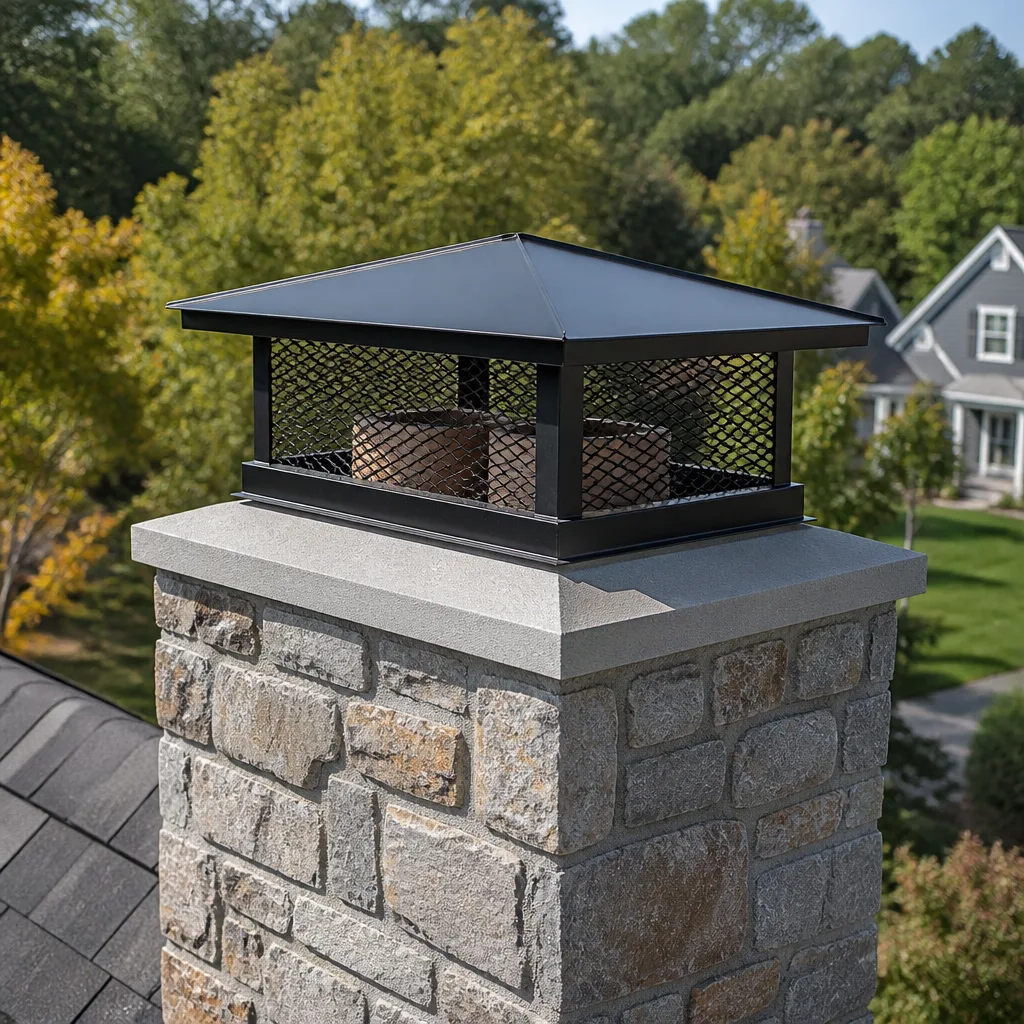
The cap keeps rain, birds, and debris out of the flue. If a Famco or Copperfield cap is cracked, rusted, or loose after a winter of use, summer storms push water straight down the chimney. Persistent moisture is one of the fastest ways to degrade masonry and metal over time. Check that the cap is secure and the screen intact before the rainy stretches set in.
Liner ventilation
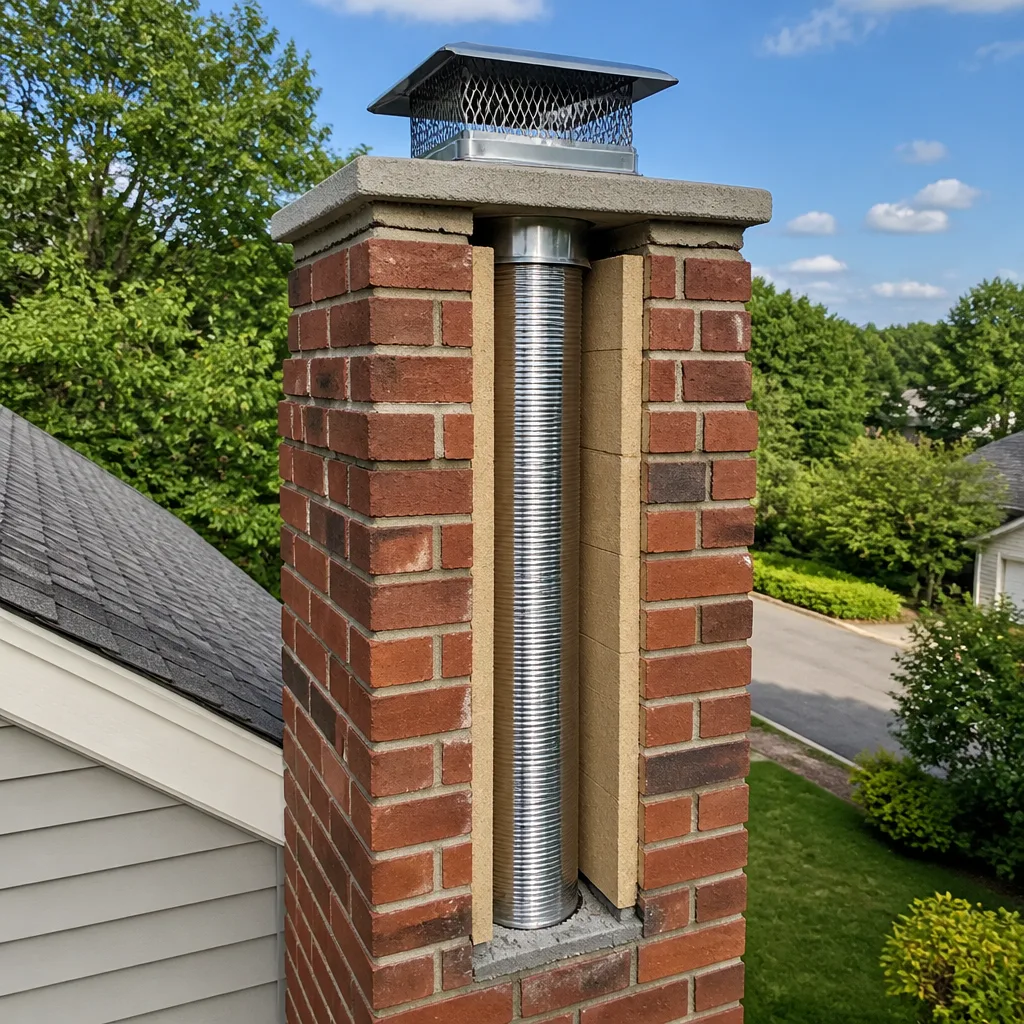
A liner that stays perpetually damp is a liner heading for trouble. Areas with high summer humidity are hard on stainless systems, and any condensation that forms needs somewhere to go. A proper installation handles this, but it’s worth having the liner checked so it isn’t sitting wet all summer. This is also the season to notice if the liner has started to flake or separate.
Animal intrusion
Birds, squirrels, and other wildlife look for sheltered spots to nest, and a flue with a missing or damaged cap is an easy target. A blocked flue is a serious safety problem – it forces smoke and carbon monoxide back into the house instead of up and out. If you smell something musty or hear scratching, get the flue checked before fall. A secure cap from a purpose-built brand, not improvised hardware, is the fix.
These are checks, not hidden problems. Most summers, a quick look confirms the cap and liner are fine. The value is catching the ones that aren’t before they compound.
Managing a Wood Supply in East Texas Humidity
What you burn determines what your chimney accumulates, and in East Texas, wood management is a real challenge because the air itself is humid much of the year. Wet wood is the single biggest driver of excess creosote, and it’s easy to end up with wet wood without realizing it.
Seasoned wood – wood dried down to a low moisture content – burns hot and clean. Unseasoned or damp wood burns cool and smoky, sending a lot of unburned material up the flue to condense as creosote. In a climate that’s damp for much of the year, wood left stacked in the open can absorb moisture even after it was initially dry.
A few habits help:
- Store wood off the ground on a rack or pallet, not directly on soil or concrete, so air moves underneath.
- Keep the top covered but the sides open. A roof or tarp over the top sheds rain, but blocking the sides traps humidity and slows drying.
- Don’t stack against the house. Leave a gap for airflow and to keep pests away from the structure.
- Buy or cut wood well ahead of when you plan to burn it, so it has time to dry in the East Texas air.
- Check before you burn. Damp wood sounds dull when knocked together and feels cool and heavy; dry wood is lighter and sounds sharp.
The takeaway is practical: the same humid air that makes Tyler summers hard on the chimney also makes wood storage a year-round job. Dry wood is the cheapest creosote prevention you have.
Post-Season Checks That Shouldn’t Wait Until Fall
When the last fire of the season is out, the instinct is to forget the fireplace until fall. That’s the biggest timing mistake we see in Tyler. The post-season check catches problems while they’re fresh, before a humid summer has months to make them worse.
Right after your final fire, look at a few things:
- Creosote level in the flue. A post-season sweep clears the deposits from the year’s burning before summer humidity sets in. Left in place, creosote can absorb moisture and become harder to remove.
- Water intrusion signs. Look for staining on the chimney exterior, damp patches near the fireplace, or a musty smell. Any of these point to a cap, flashing, or crown problem that summer storms will make worse.
- The damper and firebox. Note any cracks, rust, or a damper that no longer seals well.
- Liner condition. The off-season is when a liner issue is easiest to address, before it becomes a fall emergency.
This is where the sweep-inspect-repair continuity pays off. When the same team that sweeps also inspects and repairs, a problem found at the end of the season can be diagnosed and fixed without you chasing down a second company. And you get a plain answer to the question that matters most: does this need fixing now, or can it safely wait?
Your Year-Round Chimney Care Calendar
Pulling the whole year into one view makes the schedule easy to follow. Adapt the months slightly to how early or late your first fire of the season tends to be, but the order holds.
Late summer (August – September): pre-season inspection and sweep. Book your inspection and cleaning before the first fire. This is the highest-value slot on the calendar because it leaves time to fix anything found. Schedule it early; the weeks right before the first cool snap fill up quickly.
Early fall (October – November): repairs if needed. If the inspection turned up a cap, damper, or liner issue, get it handled before you start burning. Using the full service loop means repair and cleaning stay with one team.
Burn season (roughly November – February): burn dry wood, watch for smoke problems. Keep an eye out for smoke rolling back into the room, a damper that won’t stay open, or unusual smells. Each points to something worth checking.
End of season (after your last fire): post-season sweep and check. Clear the year’s creosote and note any water intrusion or liner changes before summer.
Summer (June – August): protect during the humid off-season. Confirm the cap is secure, the liner is dry, and nothing has nested in the flue.
If you run a fire into March or April because of a cool spell, treat that as burn season and adjust the post-season check accordingly. The calendar is a guide, not a rigid rule – the goal is that your flue is inspected before and after every stretch of burning.
Common Mistakes to Avoid
- Following northern seasonal advice in Tyler. “Sweep in spring, inspect in fall” was built for long cold winters. Here the best window is late summer into early fall, and a post-season check matters just as much.
- Skipping the sweep because you “barely burned.” Short, cool fires deposit more creosote per log, not less. Light use is not a reason to skip the annual check in a mild-winter climate.
- Forgetting the chimney during humid summers. The off-season is when caps, liners, and masonry are most vulnerable. A quick summer check prevents small problems from growing.
- Burning wet or unseasoned wood. Wood that absorbs East Texas humidity burns cool and smoky, sending more creosote up the flue. Store it dry and check it before you burn.
- Letting a damaged cap or missing screen go. An open flue invites water and wildlife. A blocked flue forces smoke and carbon monoxide back into the house.
- Waiting until the first cold snap to book. That’s the busiest time of year. Scheduling the inspection in late summer gives you time to fix anything found.
- Letting one company inspect and another repair. Handoffs between an inspector and a separate repair company create gaps. Keeping inspection and repair with one team means nothing gets lost.
When to Call a Professional
Some chimney tasks are checkable by a careful homeowner. Others need a trained technician. Call a professional if you notice smoke rolling back into the room, a strong creosote or chemical smell near the fireplace, visible cracking or crumbling in the firebox or exterior masonry, water staining on the chimney, or any sign that animals have gotten into the flue. A damaged liner, a cracked crown, or a glazed third-degree creosote layer all call for a trained eye – and the flue and firebox are not places for improvisation. If you’ve skipped a year or more of cleaning, don’t just go by how long it’s been; have it inspected and let the measurement guide the work. Chimney Sweep Tyler offers free estimates in Tyler – call (866) 389-3453 to get on the schedule before burn season fills up.
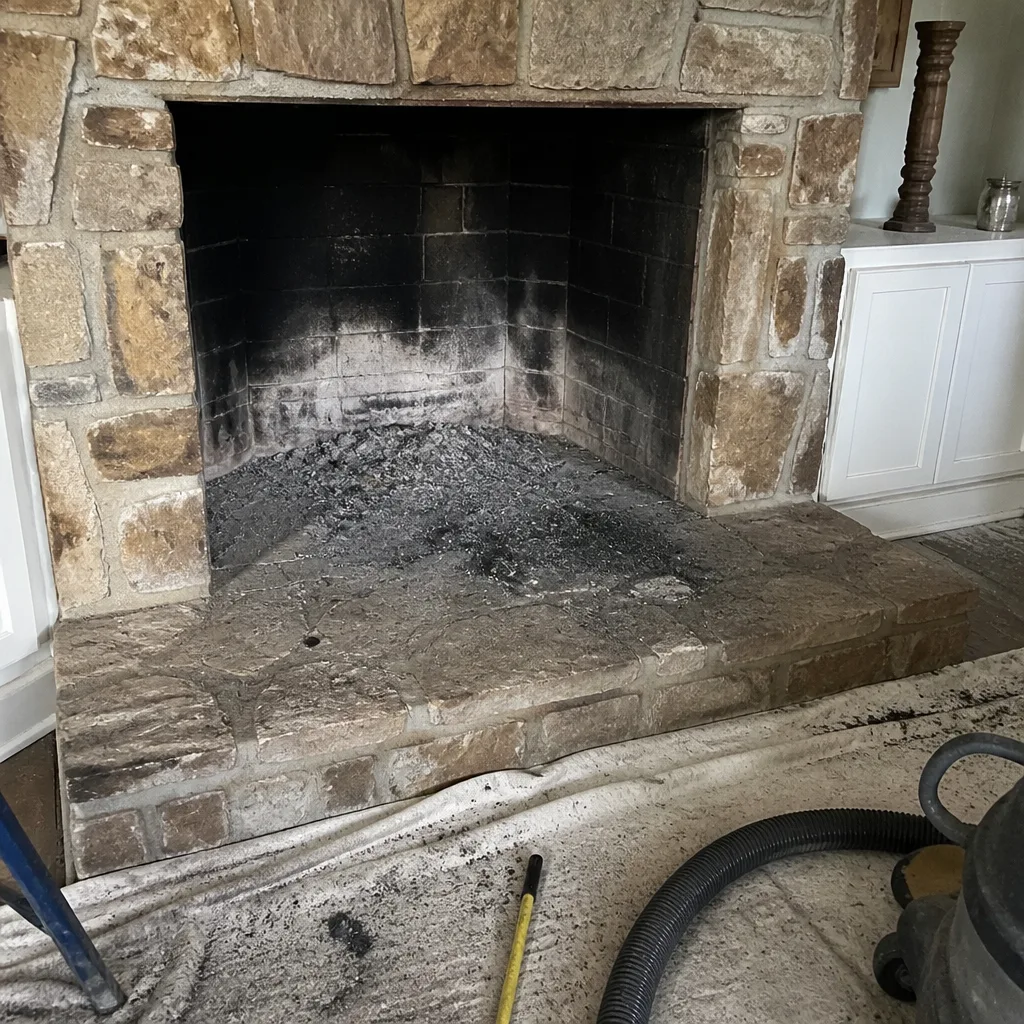
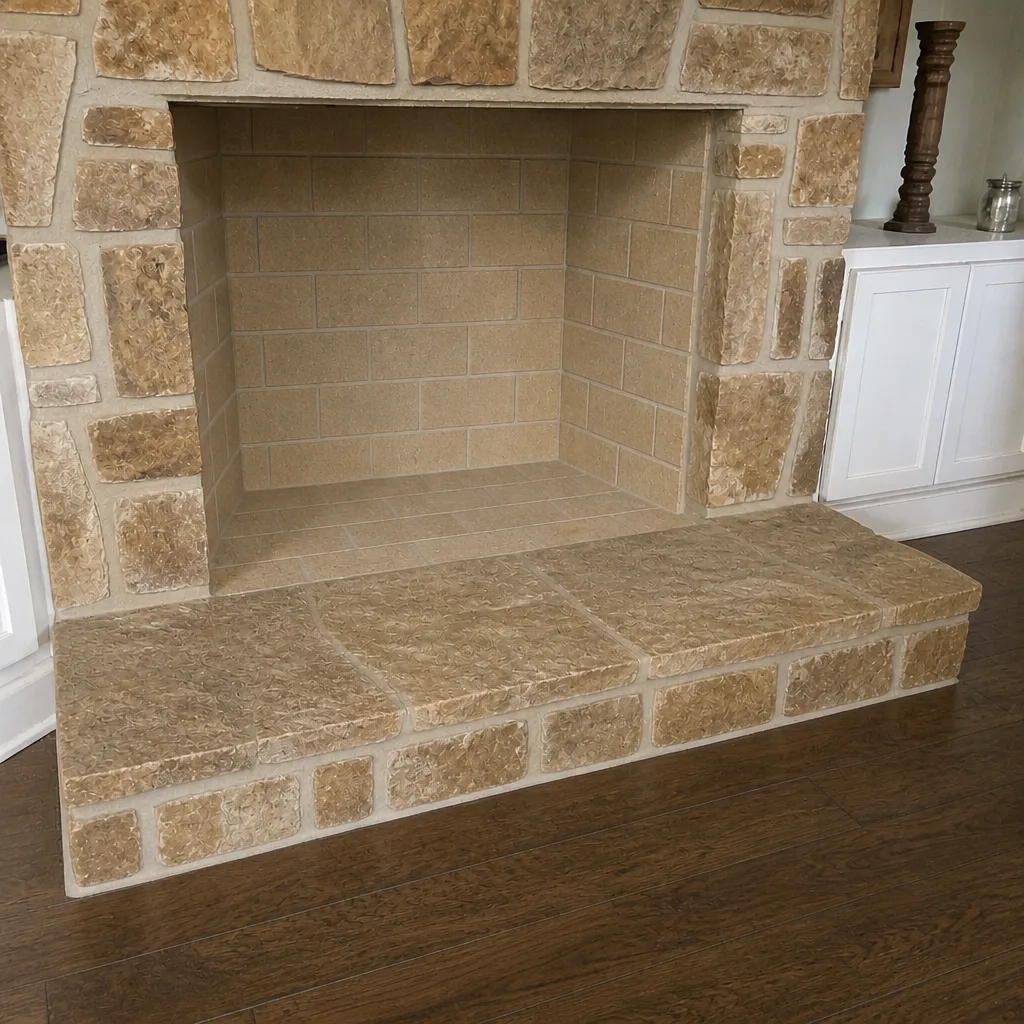
See the difference
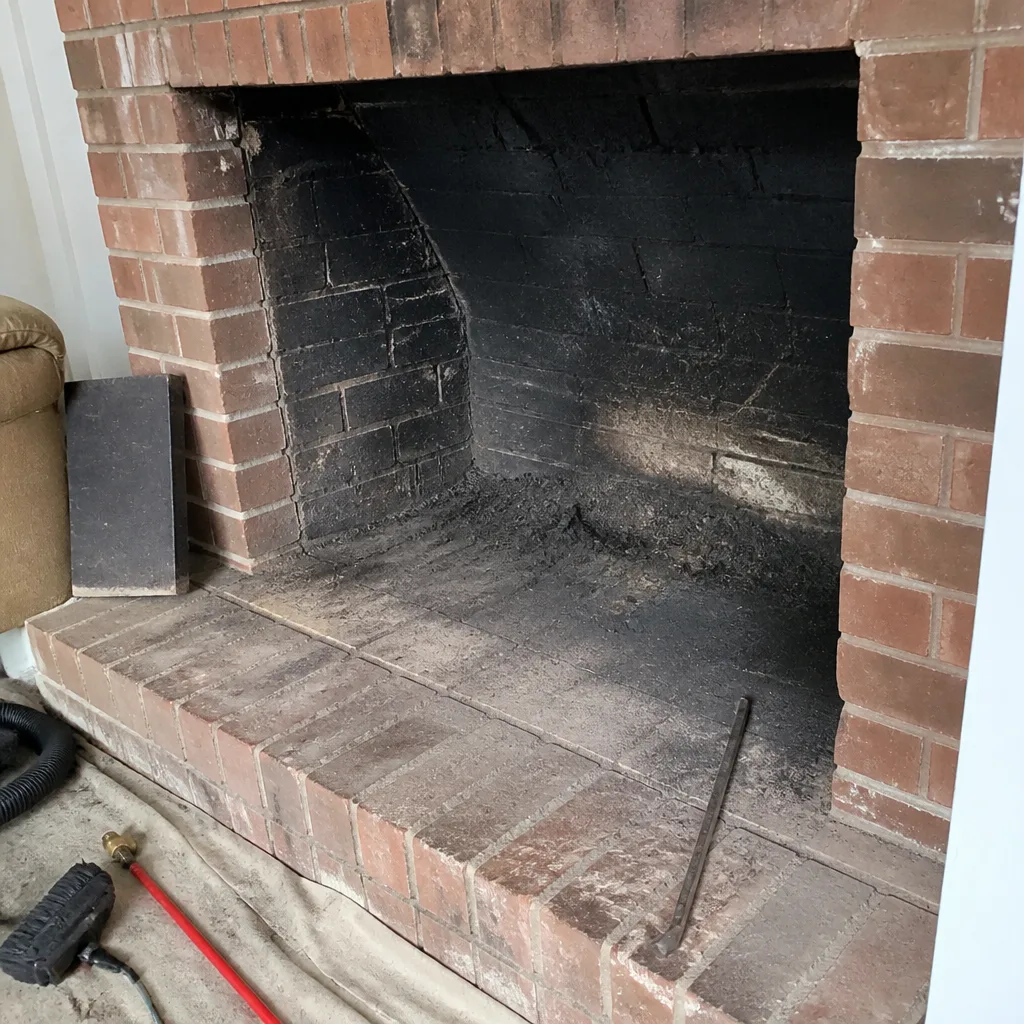 Before
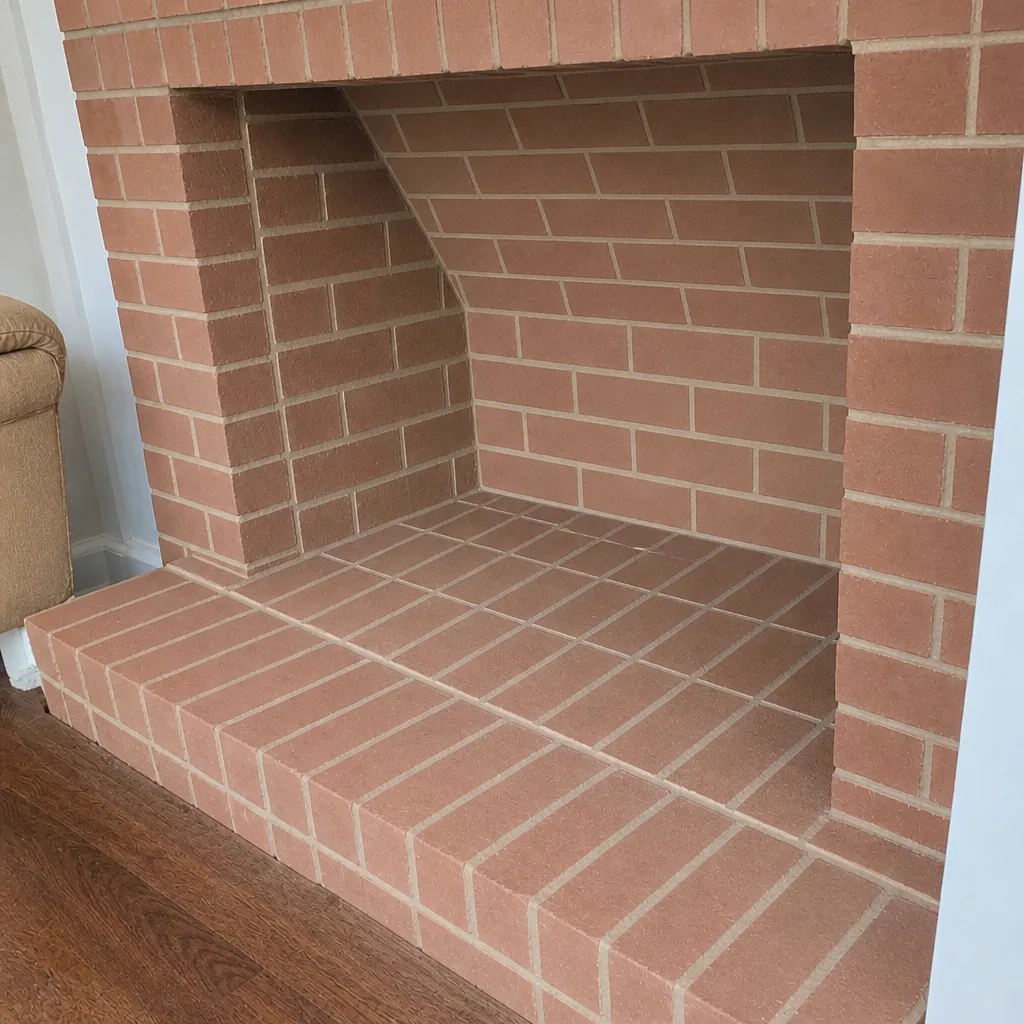 After
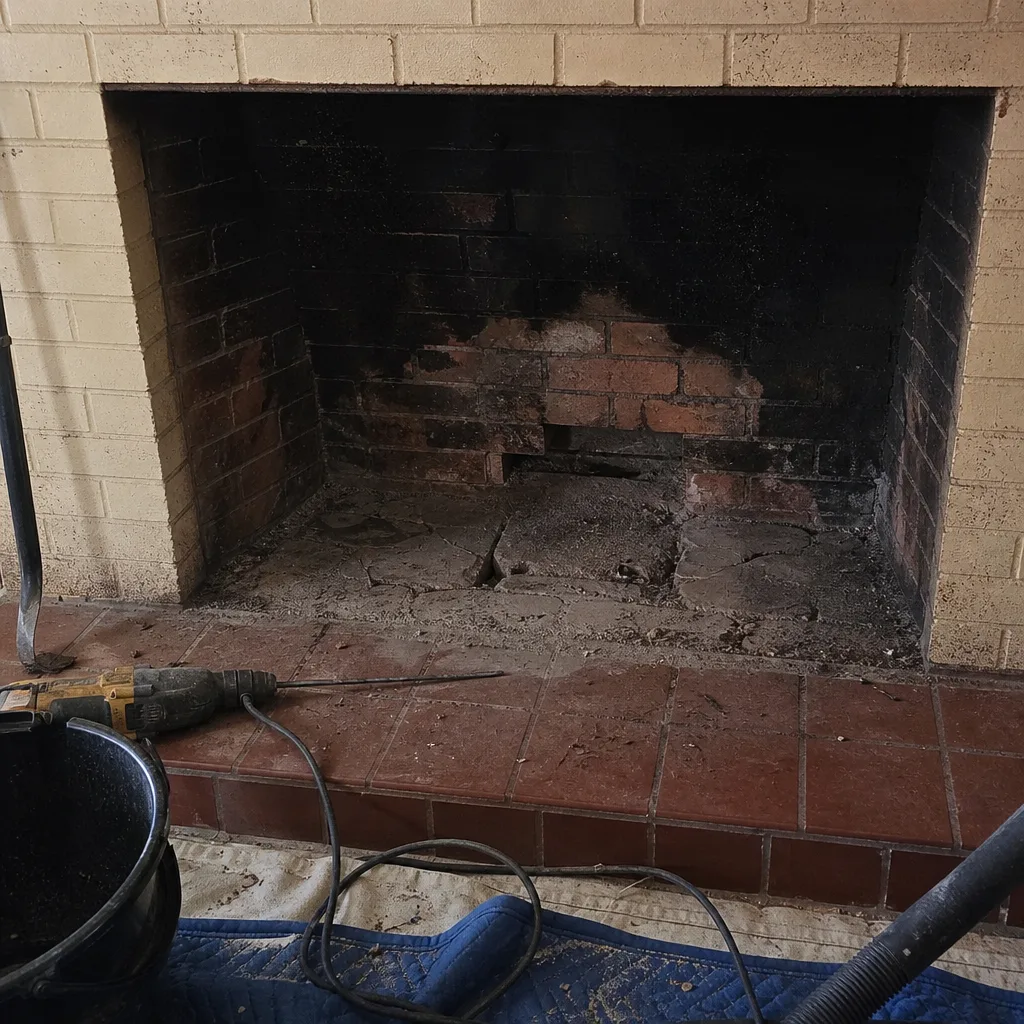 Before
 After
 Before
 After
Frequently Asked Questions
Once a year for most homes is the right starting point, and it’s often enough even with Tyler’s short burn season. Because milder fires leave more creosote per log, a year with only a few fires is still worth inspecting, and an inspector may recommend returning sooner if deposits look thick. Have it checked before the season and measure, rather than guessing by how much you think you burned.
Late August through September is the ideal window, before the first fire of burn season in Smith County. Scheduling then leaves time to fix anything an inspection turns up before the weather cools. If you miss that window, an early-October inspection still beats scrambling after the first fire, but don’t skip it entirely.
Not necessarily. Cooler, gentler fires – common in Tyler when it’s only mildly cold – burn less completely and deposit more creosote per cord of wood than a hot northern fire. That’s why a lightly used flue in a mild climate can still carry a meaningful layer of creosote. Light use is not a reason to skip cleaning.
Yes. Tyler’s hot, humid off-season is hard on caps, liners, and masonry. Check that the cap is secure and the screen intact, that the liner isn’t sitting damp, and that no animals have nested in the flue. A secure, purpose-built cap and a dry liner are the two things that matter most through the summer.
It does. Wet or unseasoned wood burns cool and smoky, sending far more unburned material up the flue to condense as creosote. In East Texas, humidity makes wood storage a real job, so store it dry and check it before you burn. Dry wood is the simplest creosote prevention there is.
Have the flue swept and look for water intrusion, damper problems, and liner changes before the humid summer sets in. Clearing the year’s creosote promptly keeps it from absorbing moisture over the off-season. If something’s found, having inspection and repair with the same team means it gets handled in one visit rather than a handoff.
The Bottom Line
Chimney care in Tyler isn’t a single seasonal task – it’s a year-round rhythm built around real East Texas weather. The best pre-season inspection window is late summer into early fall, before the first fire of Smith County’s burn season. Mild winters mean cooler fires that deposit more creosote per log, so annual cleaning matters even in a light year. Summer humidity needs watching through cap and liner checks, and dry wood storage is your cheapest creosote prevention. Don’t wait for the fall rush to book. Call (866) 389-3453. We answer 24/7. Fast dispatch from 7am to 7pm, Sunday through Friday. Estimates are free, and we’ll tell you what we found and what it means.
Written by the team at Chimney Sweep Tyler.