
Last updated November 15, 2026
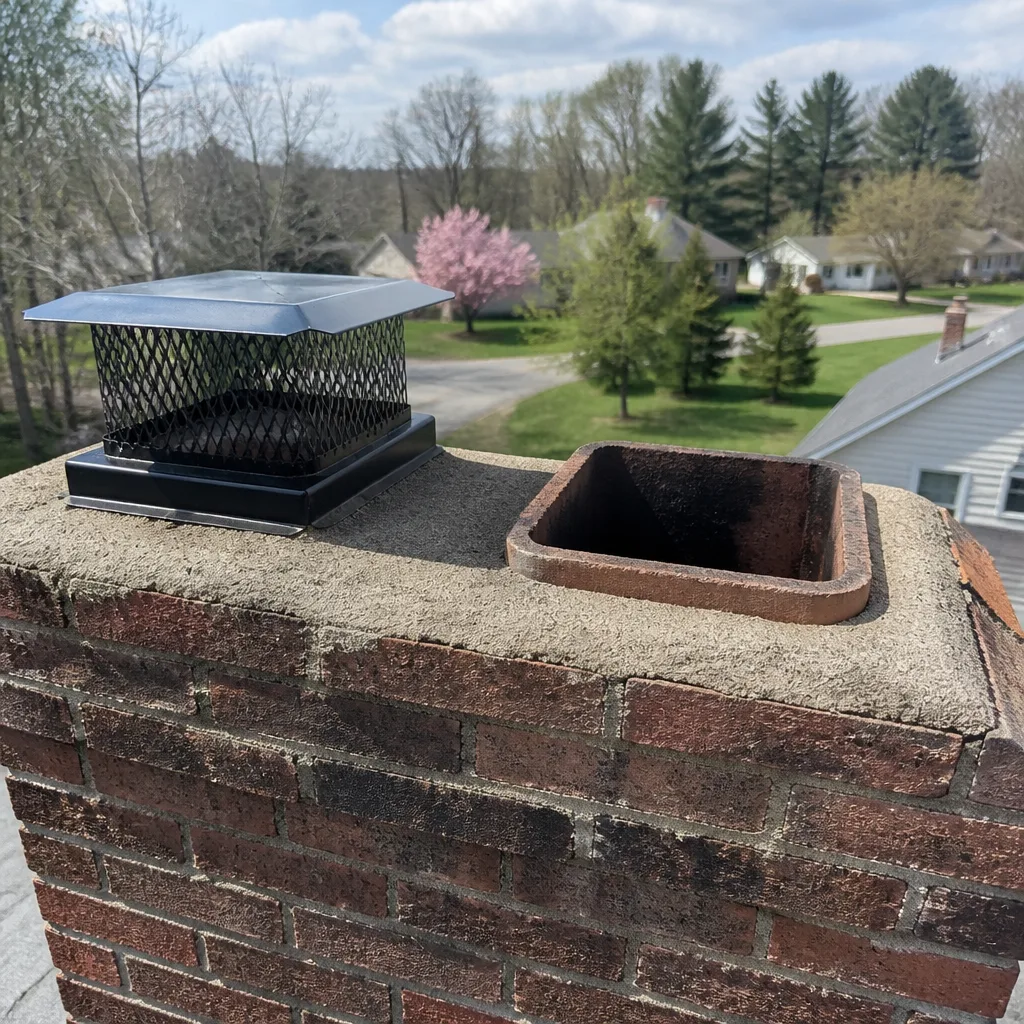 Sweep & inspection
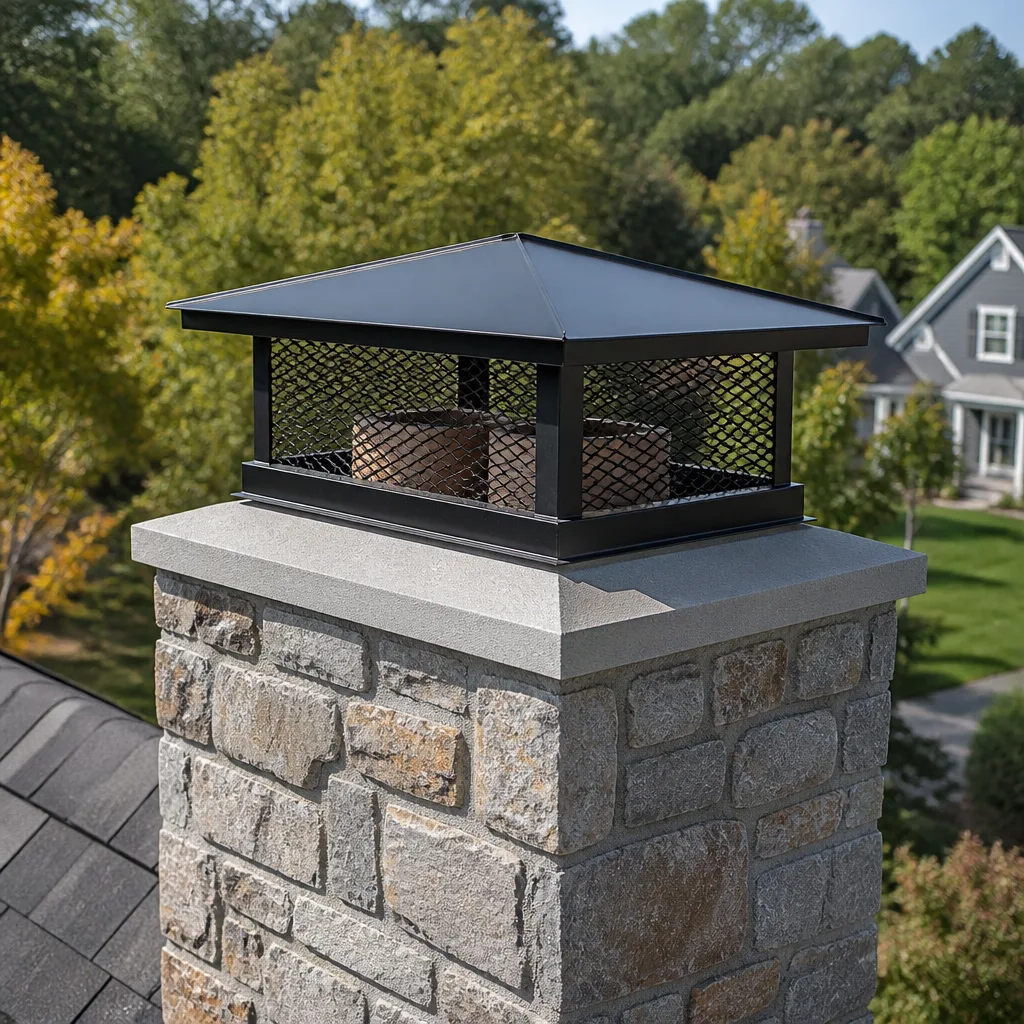 Caps & crowns
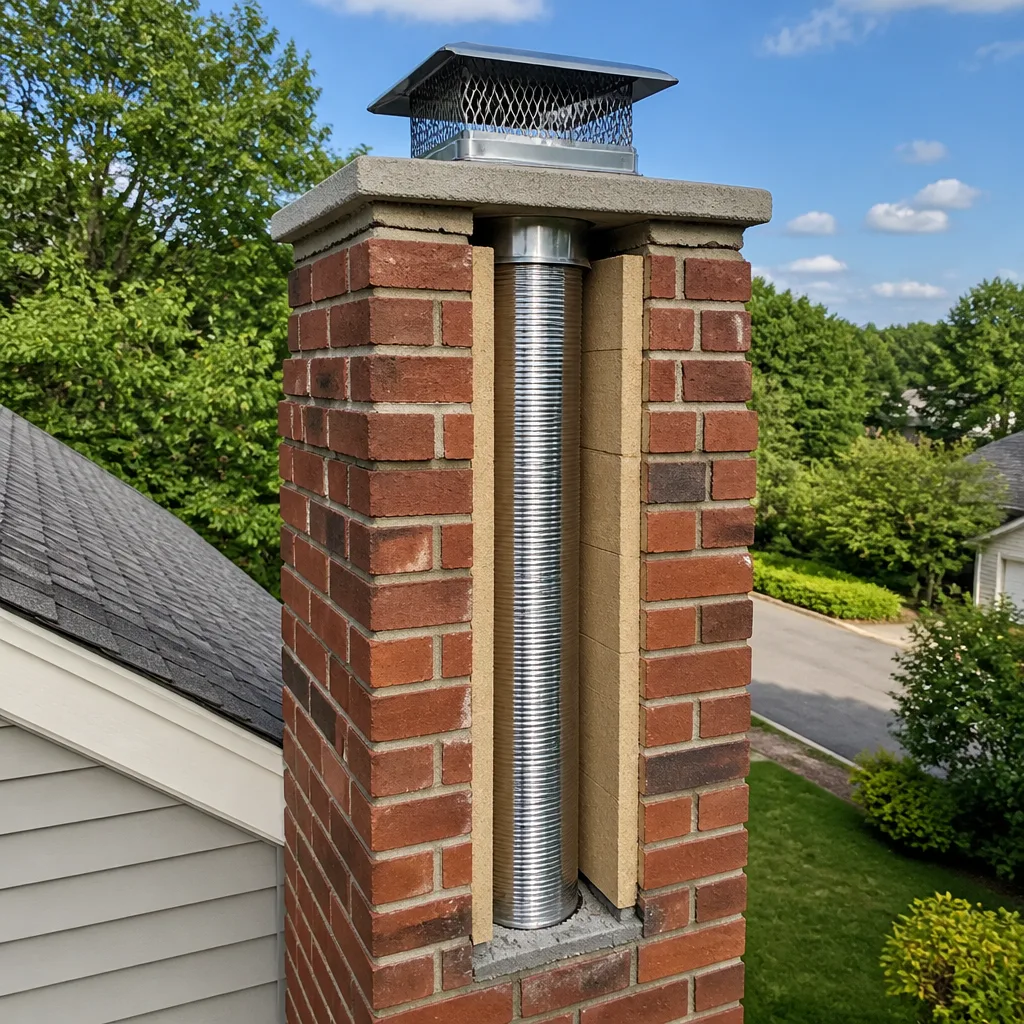 Flue relining
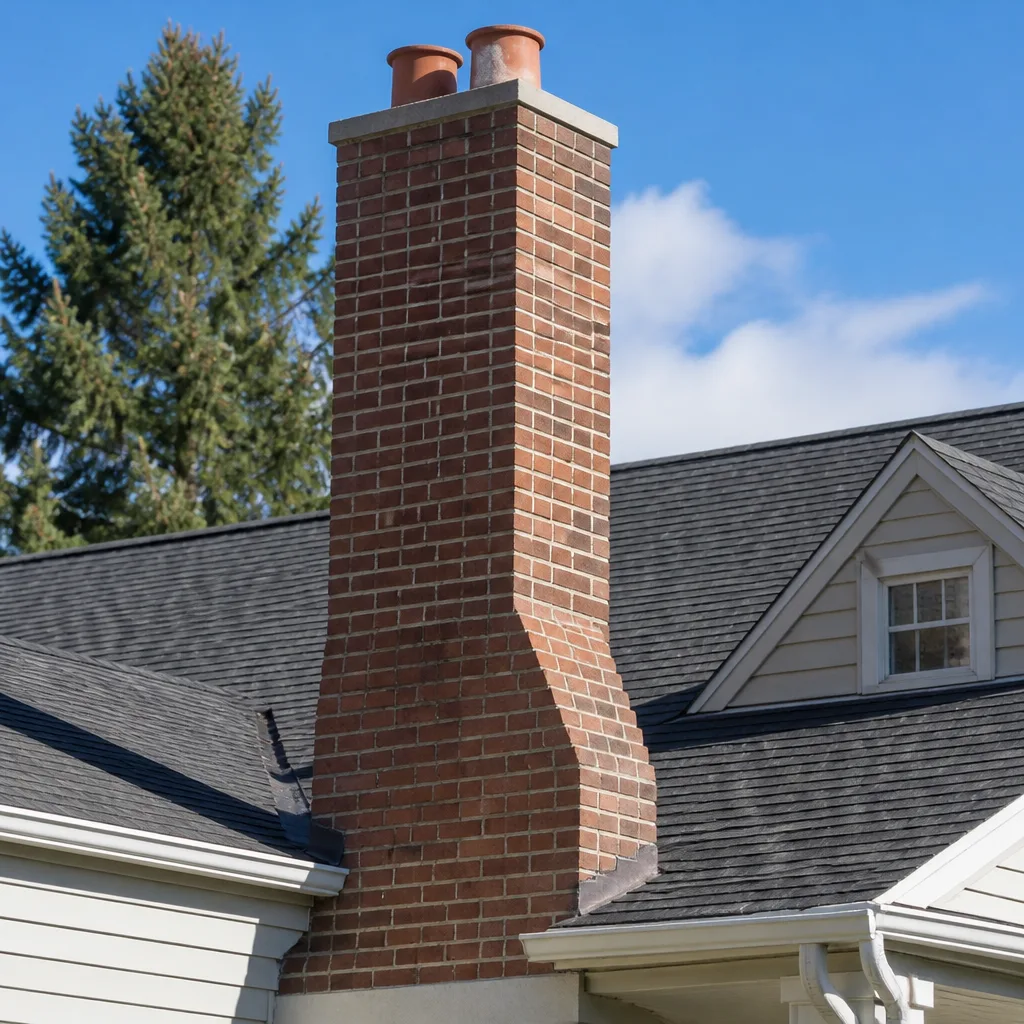 Masonry repair
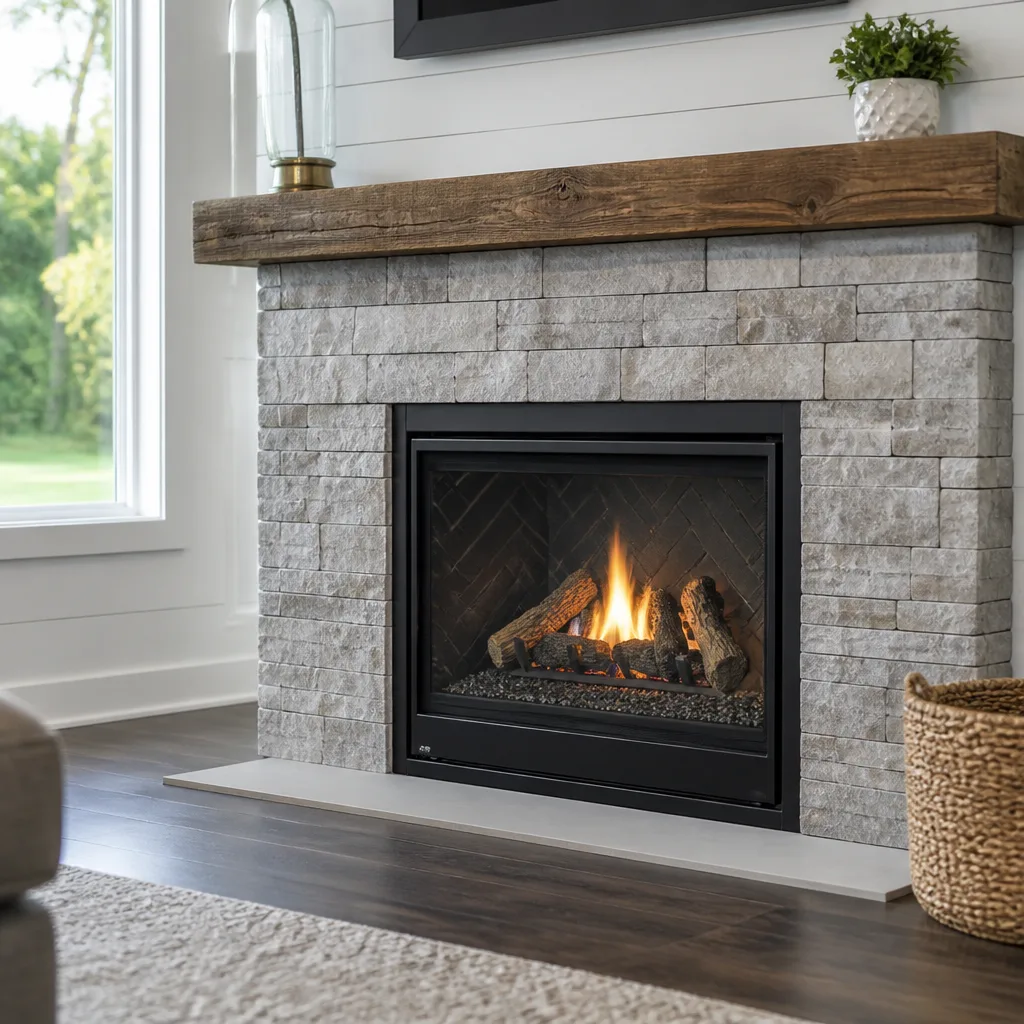 Gas fireplace service
Level 1 sweep and inspection to the NFPA 211 annual standard - flue, crown, cap, and flashing checked and photographed
Chimney sweep logs do not sweep chimneys. They loosen some creosote - which then falls where a brush and vacuum still have to collect it.
Chimney Cleaning Cost Breakdown: The Tyler Homeowner’s Reference for 2026
A $79 chimney cleaning exists in Tyler. So does an $800 one. Neither price tells you what you’re actually getting, because chimney service isn’t a single product. It’s a bundle of separate tasks that different companies include, exclude, or quietly skip. The cheap quote usually drops the liner inspection. The expensive one sometimes bundles repairs you don’t need yet. Neither number means anything until you know what’s inside it. This guide breaks a complete chimney service into line items with typical Tyler price ranges, explains why material grade moves the total, and shows you how to build a five-year cost model that beats shopping for a single sweep.
Quick Answer
A standard chimney sweep in Tyler typically runs $150 to $350, and a Level 1 inspection is often included with the cleaning. A Level 2 inspection with a camera scan usually costs $200 to $450 on its own. Add-ons like a cap replacement ($150 to $400 with a Copperfield cap), a crown coat ($250 to $600), or HeatShield liner resurfacing ($800 to $2,500) are priced separately and only when the inspection actually shows the need. A complete scope with inspection, sweep, and evidence costs more than the lowest bid, but it’s the only version you can compare honestly against another company.
Styles & brands we work with
- Sweep & inspection
- Caps & crowns
- Flue relining
- Masonry repair
- Gas fireplace service
Table of Contents
- What are you actually paying for in a chimney cleaning?
- Itemized cost ranges for every chimney service line
- Why material grade changes the price
- How Tyler pricing compares to DFW
- What “additional charges” actually mean
- Building a realistic five-year cost model
- How to compare two chimney bids apples to apples
- Common mistakes to avoid
- When to call a professional
What are you actually paying for in a chimney cleaning?
The price of a chimney sweep isn’t the price of brushing soot out of a flue. It’s the price of a technician showing up with the right tools, running a full interior assessment, cleaning the firebox and smoke chamber, sweeping the flue, checking the cap and crown, and then telling you honestly what they found. Every one of those steps costs time, and time is what you’re buying when you hire a crew.
Here’s what a complete visit typically includes:
- A visual inspection of the firebox, damper, smoke chamber, flue, cap, and crown from the ground where accessible
- Drop-cloth and vacuum setup so no soot ends up in your house
- Brushing of the flue with the correct size and type of brush for your liner material
- Cleaning the firebox and smoke shelf
- Removal of ash and creosote debris
- A written or verbal report on what was observed, with photo evidence
What’s often left out of a budget sweep: a camera scan of the flue (Level 2), a check of the liner joints, an evaluation of the crown, and any actual diagnosis of creosote stage. If you want to know how clean your chimney actually is, you need a measurable answer, not a glance up the flue with a flashlight. That distinction is the single biggest reason two Tyler chimney sweeps can quote $150 and $400 for what sounds like the same job.
Our technicians have up to 11 years of experience and work on both fireplaces and wood-burning appliances. When we quote a sweep, we tell you exactly what the standard price covers and what it doesn’t. Call (866) 389-3453 if you want that scope spelled out before you book.
Itemized cost ranges for every chimney service line
The following ranges are typical estimates for Tyler-area residential work. They’re not exact quotes. The written estimate you get after we see the chimney sets the final price, and nothing is added to that number without your approval.
Chimney sweep
Standard sweep of a fireplace or wood stove flue: $150 to $350. Complex systems with multiple flues or a long run to the cap sit at the top of that range. A basic single-flue sweep of a standard masonry fireplace sits near the bottom.
Level 1 inspection
Visual inspection of accessible portions of the chimney, firebox, and connector: $75 to $150. Often discounted or bundled into a sweep. Level 1 is the right inspection for an annual checkup when nothing has changed and there’s no known problem.
Level 2 inspection
Level 1 plus a camera scan of the flue and closer inspection of the liner joints and smoke chamber: $200 to $450. Required by most jurisdictions (and by most insurers) for a real estate transaction, after a chimney fire, after a flue-liner change, or when you’ve noticed a performance issue. This is the level that catches liner cracks you can’t see from the firebox.
Level 3 inspection
Invasive inspection that may involve removing portions of the crown, interior wall, or chimney exterior: $500 to $1,500+, quoted per job. Level 3 is reserved for suspected hidden damage after a lightning strike, seismic event, chimney fire, or prior bad repair. Most homeowners never need one.
Camera scan (standalone)
If you already had a Level 1 and want the flue checked with a camera afterward: $125 to $300. Worth doing before any liner repair or relining decision.
Cap replacement
Standard cap replacement with a purpose-built chimney cap: $150 to $400 depending on size and mounting style. A custom-shape or multi-flue cap sits at the top of the range. This is where material choice matters more than most homeowners realize, and we’ll get to that.
Crown coat
Repairing or resurfacing a cracked or crumbling chimney crown: $250 to $600 for a standard brick chimney. The crown is what sheds water off the top of the chimney. Get it wrong and water finds the flue and interior masonry, which is a much more expensive problem later.
Liner repair (HeatShield resurfacing)
For a clay-tile liner with cracks or gaps that doesn’t yet need full replacement, HeatShield resurfacing typically runs $800 to $2,500. It’s a repair option between “leave it and monitor” and “tear it out and reline,” and not every company offers it. Having HeatShield available means we can usually repair a liner that other companies would only quote for full replacement.
Liner replacement (DuraFlex or equivalent)
Full insulated flexible liner install for a fireplace or wood-burning appliance: $2,500 to $6,500, quoted per job based on chimney height, liner diameter, insulation, and appliance connector configuration. This is the major-expense line item that most homeowners hope they never see. When it’s genuinely needed, the pricing should be broken into materials, insulation, and labor so you can see what you’re paying for.
Typical total range for a first-visit service
- Sweep + Level 1 inspection: $200 to $400
- Sweep + Level 2 with camera scan: $325 to $650
- Sweep + Level 2 + cap replacement: $450 to $950
If you’re seeing a quote well below any of these, ask what’s not included. It’s usually the liner inspection, the camera scan, or the crown check. You can see our full scope for chimney sweep service spelled out page by page, and you can call (866) 389-3453 for a free estimate if you’d like a written range for your specific chimney.
Why material grade changes the price
Two caps, both made of metal, both fit the same flue. One costs $40 at a hardware store. One costs $180 through a professional-trade supplier. You’d assume the difference is markup. It isn’t. The difference is service life, fit, and what happens when it fails.
A generic hardware store cap is usually made from a light gauge of steel or aluminum, cut to a one-size-fits-most specification, and attached with legs that don’t lock down over the flue. It works for a few seasons. Then the seams start to rust through, the screen tears off in a wind event, and the cap becomes a chimney problem instead of a chimney solution. Once the cap is gone, water and animals have a direct route into the flue.
A Copperfield or Famco cap is engineered for the chimney trade. The gauge is heavier, the screen is welded rather than crimped, the mounting system is designed to lock over a specific flue outside dimension, and the whole thing is meant to stay up for years of sun and rain. The price difference between a $40 cap and a $200 cap is roughly one service call, and a $40 cap that fails after a couple of seasons costs you the replacement plus whatever water intrusion results.
The same logic applies across the system:
- Liner systems: DuraFlex flexible liners are engineered specifically for chimney relining, sized and insulated to the appliance. A cheaper generic liner installed “close enough” tends to fail at the joints or not insulate properly, which is a much bigger repair than the price difference ever saved.
- Resurfacing: HeatShield is a purpose-engineered resurfacing system, not a paint-on coating. The material is designed to bond to the flue interior and restore the smooth cross-section the flue is supposed to have.
- Chimney hardware: Famco and Copperfield caps, dampers, and venting components are purpose-built. A sheet-metal substitute from a building supply store often isn’t rated for the same temperature or drafted to the same spec.
We stock and specify professional-trade brands because we’ve seen what happens when a chimney is repaired with whatever was cheapest at the time. The right materials for the job aren’t a marketing point. They’re the difference between one repair and a repeating problem. If you’d like to talk through what we’d specify for your chimney, call (866) 389-3453. The estimate is free, and we don’t recommend work the inspection doesn’t back up.
How Tyler pricing compares to DFW
Tyler chimney service typically runs 10% to 20% below comparable Dallas-Fort Worth pricing for the same scope. That’s not a quality difference. It’s a market difference, and it’s worth understanding so you don’t overpay thinking you’re buying something better, or underpay thinking you got a deal.
A few things drive the gap:
- Overhead. A shop in the Dallas metro carries higher commercial rent, insurance, and wages, and that cost lands in the price of every sweep. Tyler overhead is lower, and the difference shows up directly in the quote.
- Travel time. A DFW company scheduling a service route across the metro loses more billable hours to traffic between stops. In Tyler, technicians spend more of their day at the chimney and less of it driving, which lets a sweep be priced more competitively.
- Local competition. The Tyler market has fewer chimney-only companies than DFW does, but the ones here tend to specialize. That makes the comparison clean: you’re usually comparing specialists to specialists, not specialists to generalist handymen who clean a chimney the way they’d clean a dryer vent.
The one place Tyler and DFW pricing converge is liner repair and relining. Materials cost what they cost regardless of where the job is, and the labor hours don’t shrink much between the two markets. If you get a Tyler relining quote that’s dramatically lower than a DFW one, ask what brand of liner is going in and whether it’s insulated. Those two questions usually explain the entire gap.
Because Tyler is our market, not a drive-out, we can be specific about what pricing looks like here. The Tyler service area page lays out what we cover, and a quick call to (866) 389-3453 gives you a real range for your specific chimney.
What “additional charges” actually mean
“Additional charges may apply” on a chimney quote is one of the least reassuring phrases a homeowner can read. Sometimes it’s legitimate. Sometimes it’s padding. Here’s how to tell the difference before you book.
Legitimate additional charges
- Unexpected liner damage. The camera scan during a Level 2 inspection finds cracked or separated clay tile. That wasn’t visible before anyone opened up the chimney. It’s a real finding, and it’s the whole reason the camera scan exists.
- Animal removal and nest clearance. Birds, squirrels, and raccoons find their way into a flue through a missing or damaged cap. Removal, debris bagging, and cap replacement are real work and legitimately priced on top of a standard sweep.
- Heavy creosote removal. Stage 3 creosote is a hard, glazed deposit that requires a rotary cleaning rather than a standard hand-brush sweep. It takes significantly more time and different tooling. This is also the stage that’s the leading cause of chimney fires, so it’s a charge you want to pay rather than defer.
- Roof access limits. A steep roof pitch, fragile roofing material, or limited access can require extra equipment or a different approach. Some companies include this in the base price, some don’t. Ask which before booking.
Padding charges to question
- “You need a full reline” without a camera scan or photo evidence of what was found. Ask to see the photo before agreeing to anything.
- Crown work quoted before the crown was actually inspected. If nobody was on the roof, nobody evaluated the crown.
- Vague “system upgrades” like a top-sealing damper on a fireplace that already has a working damper and no drafting problem.
- Diagnostic fees rebranding as add-ons. If a company charges separately for the photo report, ask why. A modern chimney inspection includes photos by default.
Our rule is simple: we recommend nothing the camera and the inspection don’t back up, and we say plainly when work can safely wait. If you’ve been quoted something expensive elsewhere and want a second set of eyes on it, call (866) 389-3453 for a free estimate. We’ll tell you what we found and what it means, and we won’t sell you a liner you don’t need.
Building a realistic five-year cost model
Thinking about chimney cleaning as a single-event purchase is how people get surprised. A chimney is a long-lived system with predictable costs over time, and the median Tyler homeowner will hit most of them eventually. Here’s a realistic way to plan for five years, and here’s what the plan looks like when things go well versus when the chimney is due for a real repair.
Scenario A: Well-maintained chimney with no underlying damage
- Year 1: Sweep + Level 1 inspection, plus a new Copperfield cap if the old one is degraded. Estimate $400 to $650.
- Year 2: Standard sweep + Level 1. Estimate $200 to $400.
- Year 3: Sweep + Level 2 with camera scan (good practice every couple of years even with no problems). Estimate $350 to $600.
- Year 4: Standard sweep + Level 1. Estimate $200 to $400.
- Year 5: Sweep + crown coat because the crown has started to crack. Estimate $450 to $850.
Five-year total: roughly $1,600 to $2,900. This is the baseline. It’s the cost of owning a chimney, paid in small increments, and it’s the version that heads off the big expenses before they happen.
Scenario B: Chimney with a developing liner problem
- Year 1: Sweep + Level 2 with camera scan reveals early-stage tile cracking. Estimate $350 to $600.
- Year 2: HeatShield liner resurfacing to correct the cracking before it becomes a bigger issue. Estimate $800 to $2,500.
- Years 3 through 5: Standard sweep + Level 1 each year to monitor. Estimate $200 to $400 per year.
Five-year total: roughly $1,750 to $4,700. Still less than a full reline, and it bought four additional years of service life out of a liner that was on its way out.
Scenario C: Deferred maintenance catching up
The scenario that produces the worst numbers: no service for several years, one big fireplace season, and then a Level 2 that finds a cracked liner, a failed crown, and no cap. Full reline plus crown repair plus new cap typically runs $3,500 to $7,500. That’s the five-year model compressed into a single invoice, plus the lost years of service in between.
The math on preventive service is not subtle. Yearly sweeps are cheaper than one liner. If you want a plan tailored to your specific chimney, the place to start is a proper inspection and a written scope. Call (866) 389-3453 and we’ll put one together.
How to compare two chimney bids apples to apples
The single most useful thing you can do to make chimney pricing work in your favor is ask the same questions of every company that quotes you. A bid should be compared on scope, not on the bottom-line number. Here’s the checklist we’d use if we were hiring someone.
- What inspection level is included in the base price? Level 1, Level 2, or none? If it’s “none,” the quote isn’t a complete scope.
- Is a camera scan included or extra? If extra, what does it add?
- What brand and specification of cap are you installing? “Standard cap” isn’t an answer. Copperfield, Famco, or a hardware-store substitute?
- If the inspection finds a liner issue, what’s the recommended path? HeatShield resurfacing, full DuraFlex reline, or wait-and-monitor?
- Do you provide a photo report? Every chimney inspection should come with photos of what was found.
- What’s the written estimate’s stated scope? Exactly what’s included and what triggers additional charges.
- Who does the repair if the inspection finds something? Same company, or does it get handed to a different trade?
That last question is the one that separates a single-company service from a handoff. When a chimney repair is needed, the company that swept and inspected already knows the system. A different crew starting from scratch has to re-learn the whole chimney.
At Chimney Sweep Tyler, the same team handles sweep, inspection, and repair. There’s no handoff to a second crew. If you want to see the full scope before you hire anyone, call (866) 389-3453. Estimates are free and there’s no obligation.
Common mistakes to avoid
- Booking the cheapest sweep and assuming the liner got checked. A $79 sweep almost never includes a camera scan or a full inspection. You paid for a brush and a glance, not a diagnosis.
- Skipping the annual sweep because “we haven’t used the fireplace much.” Creosote builds slowly, and a chimney that sat for two seasons can have just as much buildup as one that’s been burned regularly. The inspection is what matters more than how often you’ve had a fire.
- Accepting a quote for a full reline without seeing the photo evidence. If the company hasn’t shown you the inside of the flue, they’re guessing. Sometimes a HeatShield resurfacing is the right call and a full reline is overkill.
- Installing a hardware store cap on a professionally serviced chimney. It’s the cheapest way to undo the work you just paid for. A purpose-built cap from a trade supplier is a small amount more and lasts.
- Ignoring a cracked crown because “it’s just on top of the roof.” The crown is what keeps water out of the flue and interior masonry. It’s the cheapest repair on the invoice right up until it isn’t.
- Not asking what “additional charges may apply” means before booking. Ask for the list, in writing, before the technician arrives. Legitimate add-ons (heavy creosote, animal removal, liner damage) should be anticipated, not sprung.
- Assuming a chiminea or outdoor fireplace needs no service. Anything that burns wood in a containment structure builds creosote. It still needs a sweep and a check, even if the exposures and code requirements are lighter than an interior chimney.
When to call a professional
There are a handful of situations where waiting to book a service costs more than the service does. Call us when:
- You’ve never had the chimney swept and don’t know when it was last done
- You’ve noticed a strong odor from the firebox in warm weather (a sign of creosote buildup)
- Smoke is backing into the room when you start a fire
- The cap is missing, damaged, or has visible rust-through
- You’ve had a chimney fire (even a small one), or heard a sound like rolling thunder from the flue
- You’re buying or selling a house with a fireplace and the inspector flagged a Level 2
- You’re upgrading a wood-burning appliance and need to confirm the existing liner is compatible
Chimney Sweep Tyler offers free estimates in Tyler. Our technicians have up to 11 years of experience and work with professional-trade brands including DuraFlex, HeatShield, Famco, and Copperfield. Call (866) 389-3453. We answer 24/7. Fast dispatch from 7am to 7pm, Sunday through Friday.
See the difference
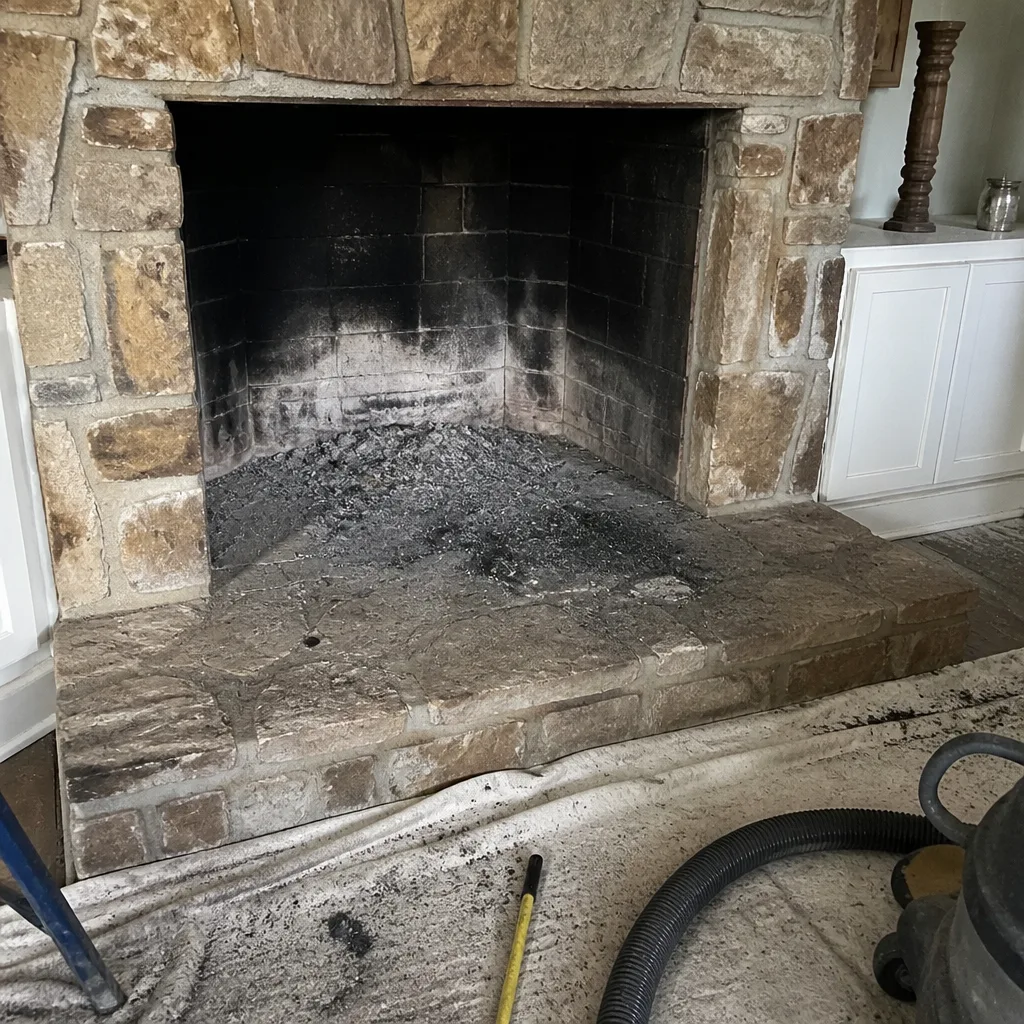
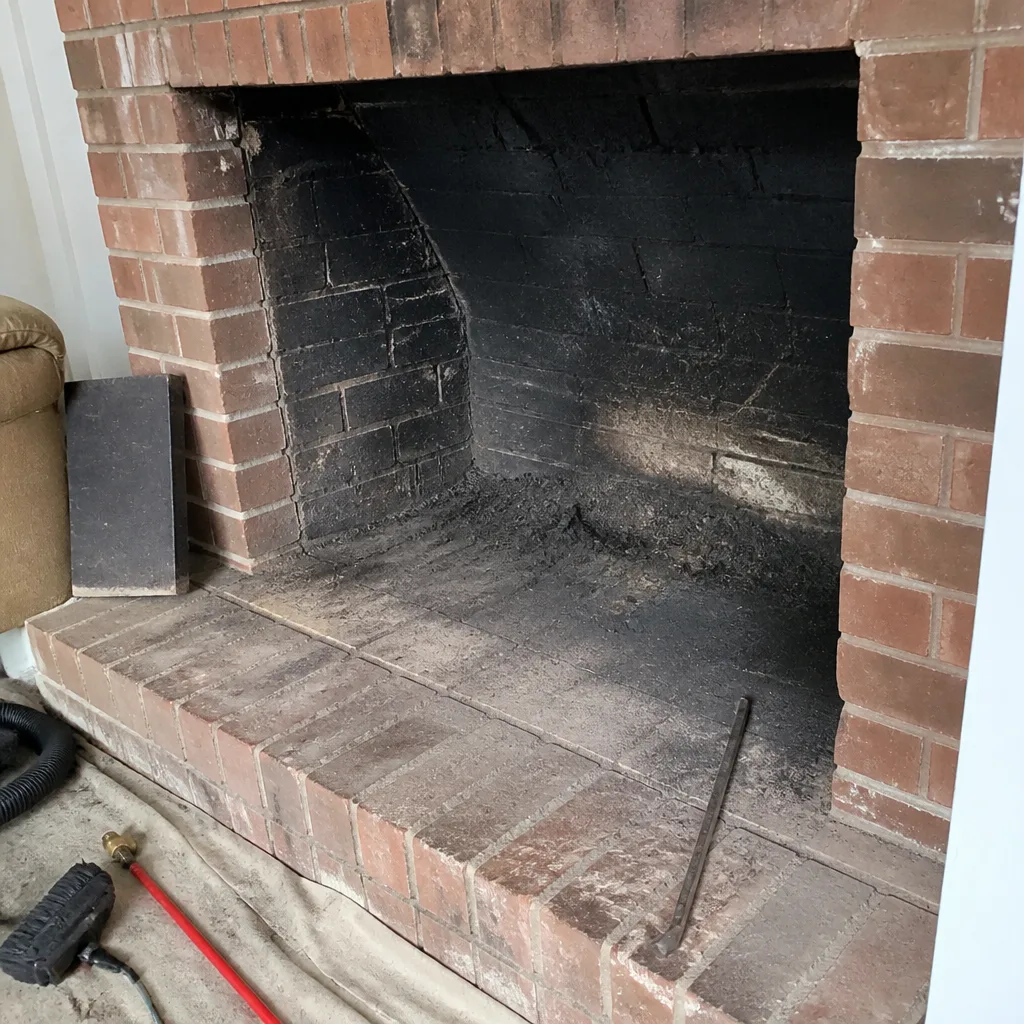 Before
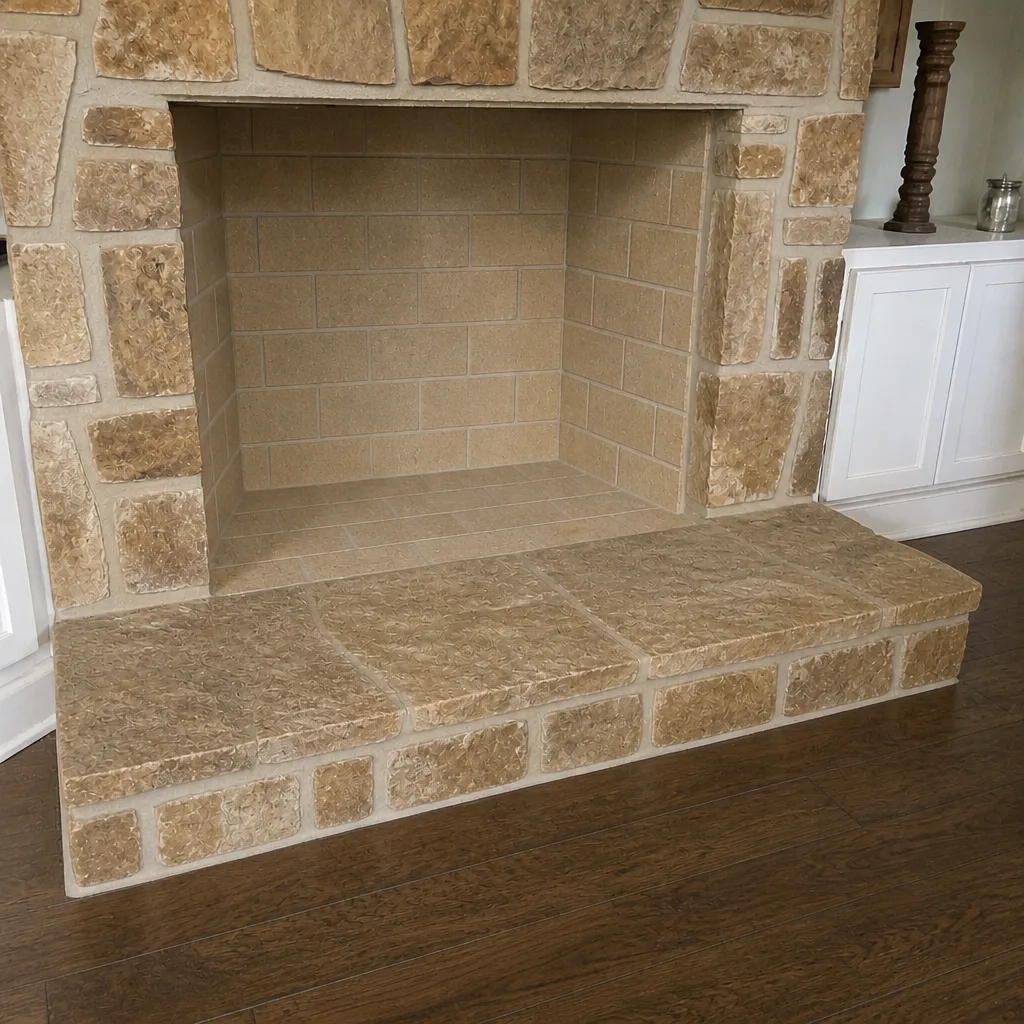
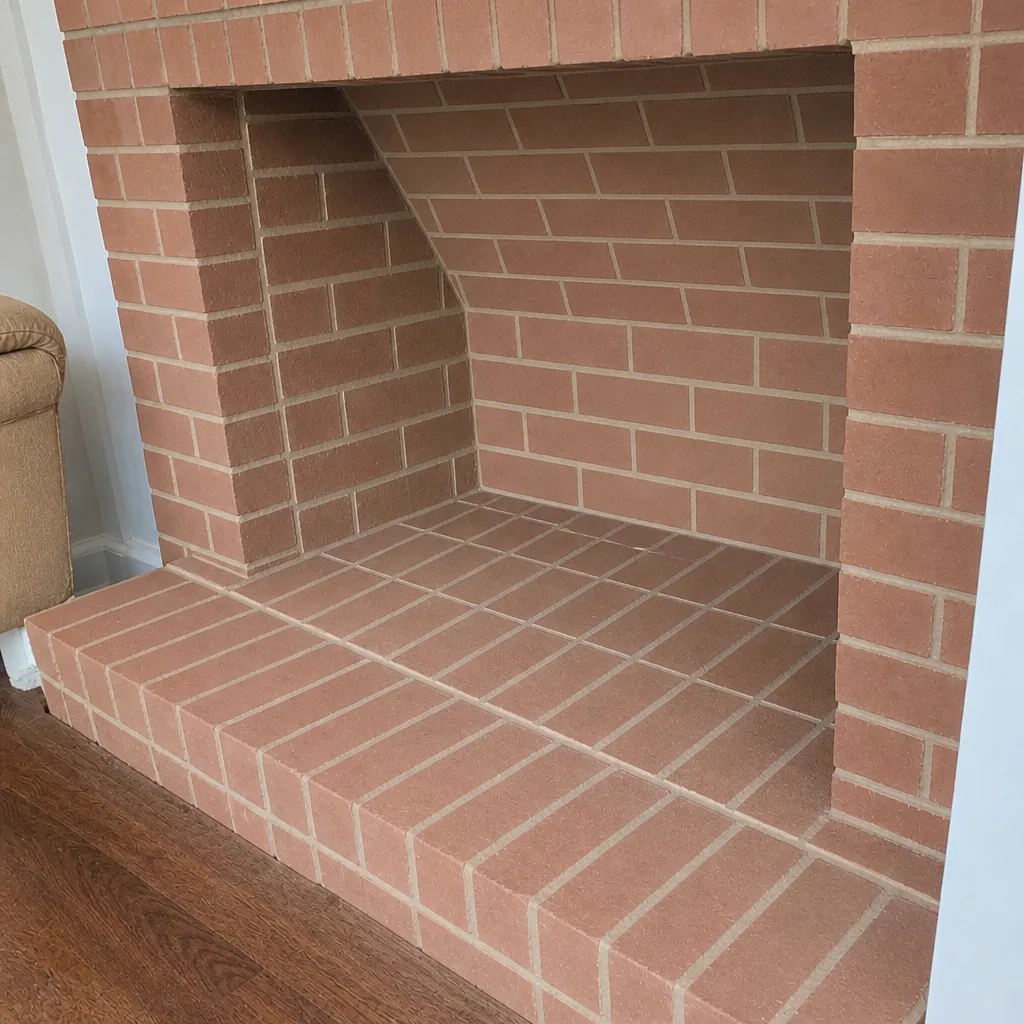 After
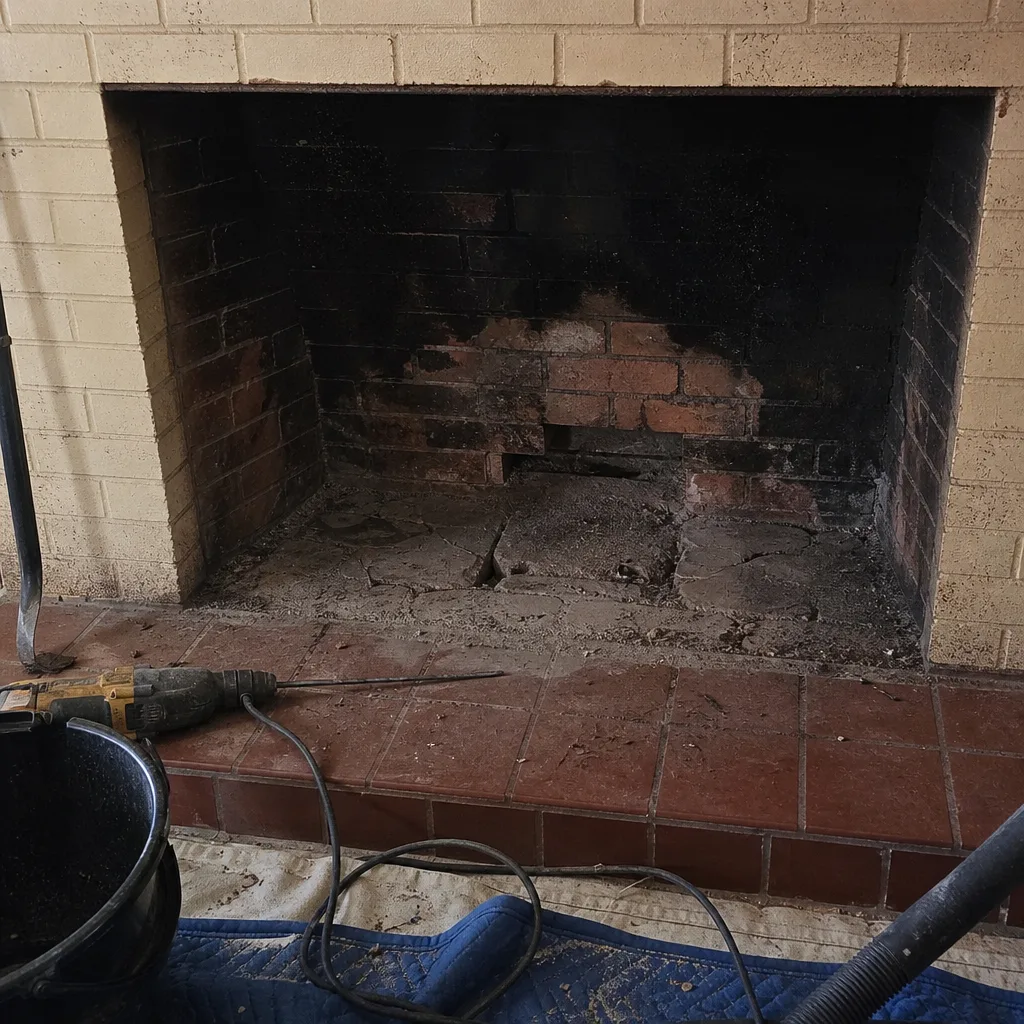 Before
 After
 Before
 After
Frequently Asked Questions
A typical chimney sweep in Tyler costs $150 to $350, and that usually includes a Level 1 visual inspection. A Level 2 inspection with a camera scan adds $100 to $250 on top of the sweep when booked together. Anything beyond sweep and inspection (cap replacement, crown work, liner repair) is priced separately and only when the inspection shows the need. Call (866) 389-3453 for an exact quote. Estimates are free.
Probably not, and that’s the honest answer most of the time. A new liner is needed when the existing clay tile has cracks, gaps, or heavy spalling that can’t be corrected another way, or when a new appliance requires a different flue size. A HeatShield resurfacing often handles the cracking case without a full reline. Nothing should be recommended without a camera scan you can look at yourself. Call (866) 389-3453 and we’ll show you what we found and what it means before you commit to anything.
For a fireplace or wood-burning appliance in regular use, sweeping once a year is the standard. If you burn frequently through the winter, an additional mid-season sweep isn’t wasted. Annual service matters more than a fixed schedule because the inspection is where you find out the actual condition of the flue, cap, and crown. Call (866) 389-3453 to book a sweep and Level 1, and we’ll tell you what the next interval should look like.
Creosote builds up in layers and, at the glazed Stage 3, becomes the leading cause of chimney fires. Even short of a fire, a blocked or restricted flue drafts poorly, smoke backs into the room, and carbon monoxide has nowhere to go but inside the house. The failure mode is not “your chimney gets dirty.” It’s “your chimney becomes a hazard.” Call (866) 389-3453 to schedule a sweep before the next burning season. The estimate is free.
Same scope, roughly 10 to 20 percent lower in Tyler. The difference is overhead, traffic time between service stops, and the market’s cost of doing business, not a lower standard of work. On liner replacement and relining, the two markets converge because material costs are the same regardless of location. Call (866) 389-3453 for a Tyler-specific range on your chimney, and we’ll tell you exactly what the scope includes.
Often, yes. When the inspection is done by the same team that does the repair, we can quote and often complete the work in a single visit if it’s within scope (cap replacement, minor crown work, damper adjustments). Larger repairs like liner relining are scheduled as a separate job so you can review the printed scope first. Call (866) 389-3453 and we’ll talk through what your specific chimney is likely to need before we arrive.
The Bottom Line
Chimney cleaning pricing in Tyler isn’t a single number. It’s a bundle of scope decisions, and the low quote is usually low because the liner inspection or the creosote treatment got dropped. A complete sweep with a Level 1 runs $150 to $350, a Level 2 with a camera scan runs $325 to $650 combined, and repair line items (HeatShield, DuraFlex, Copperfield, Famco) are priced only when the evidence calls for them. Build a five-year budget, not a one-time budget, and compare bids on scope rather than headline price. The company that answers your questions in writing and shows you the photos is the one worth hiring.
Ready to get an honest range for your chimney? Call Chimney Sweep Tyler at (866) 389-3453 for a free estimate. We answer 24/7. Fast dispatch from 7am to 7pm, Sunday through Friday. We’re closed Saturday.
Written by the team at Chimney Sweep Tyler.