
Last updated November 15, 2026
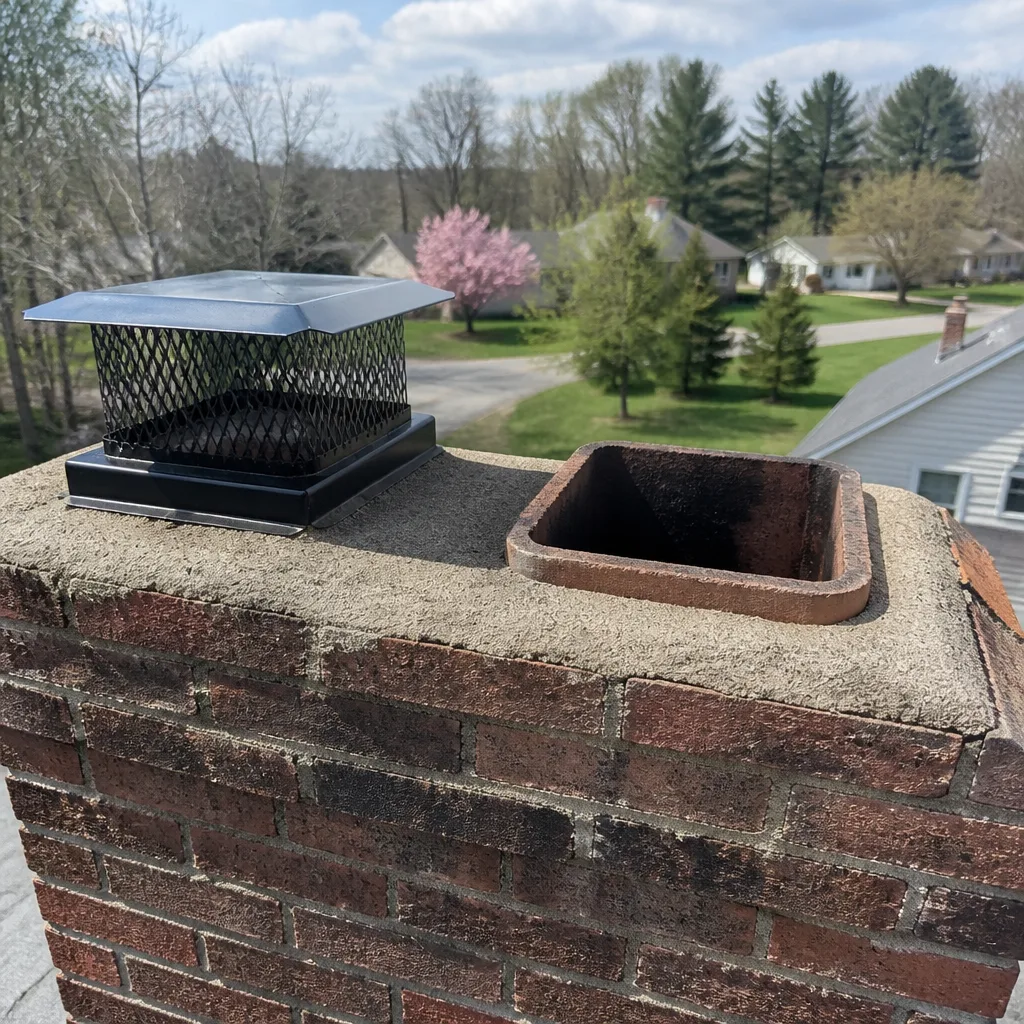 Sweep & inspection
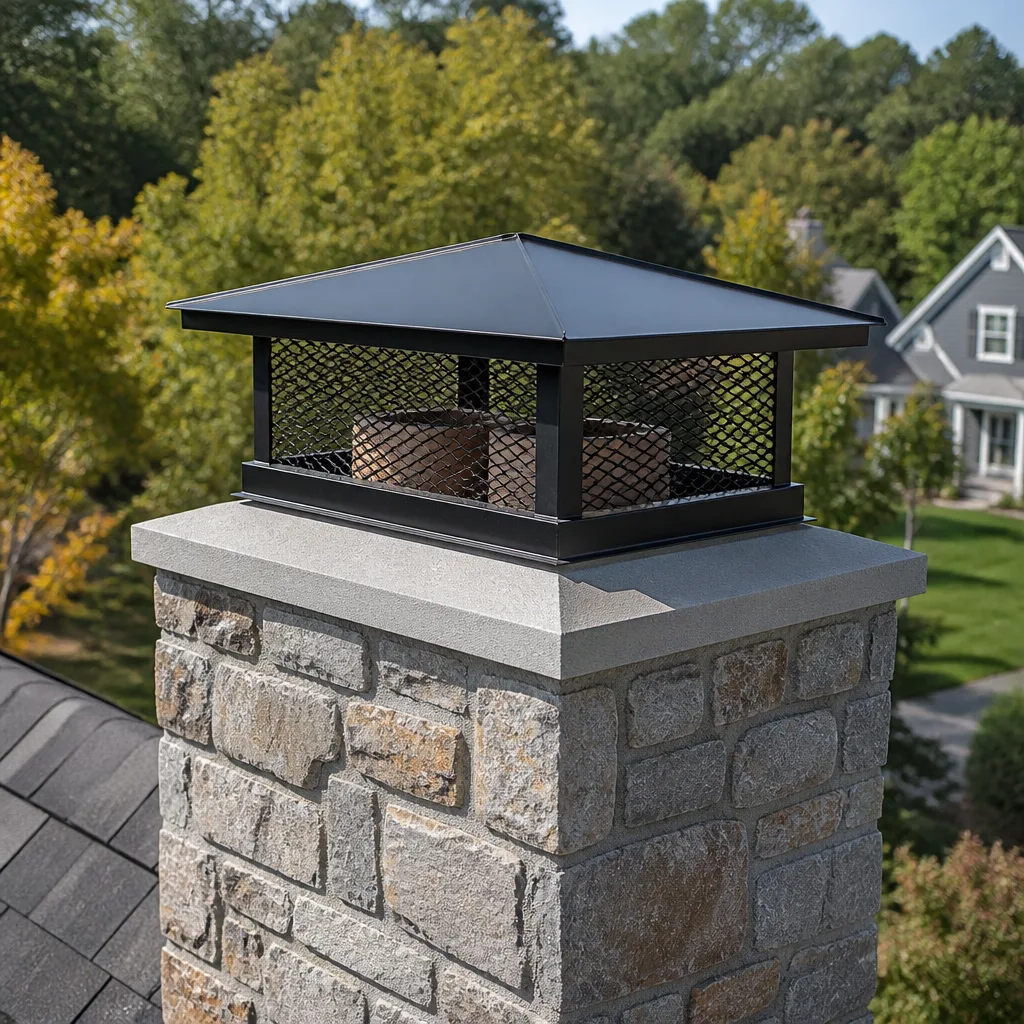 Caps & crowns
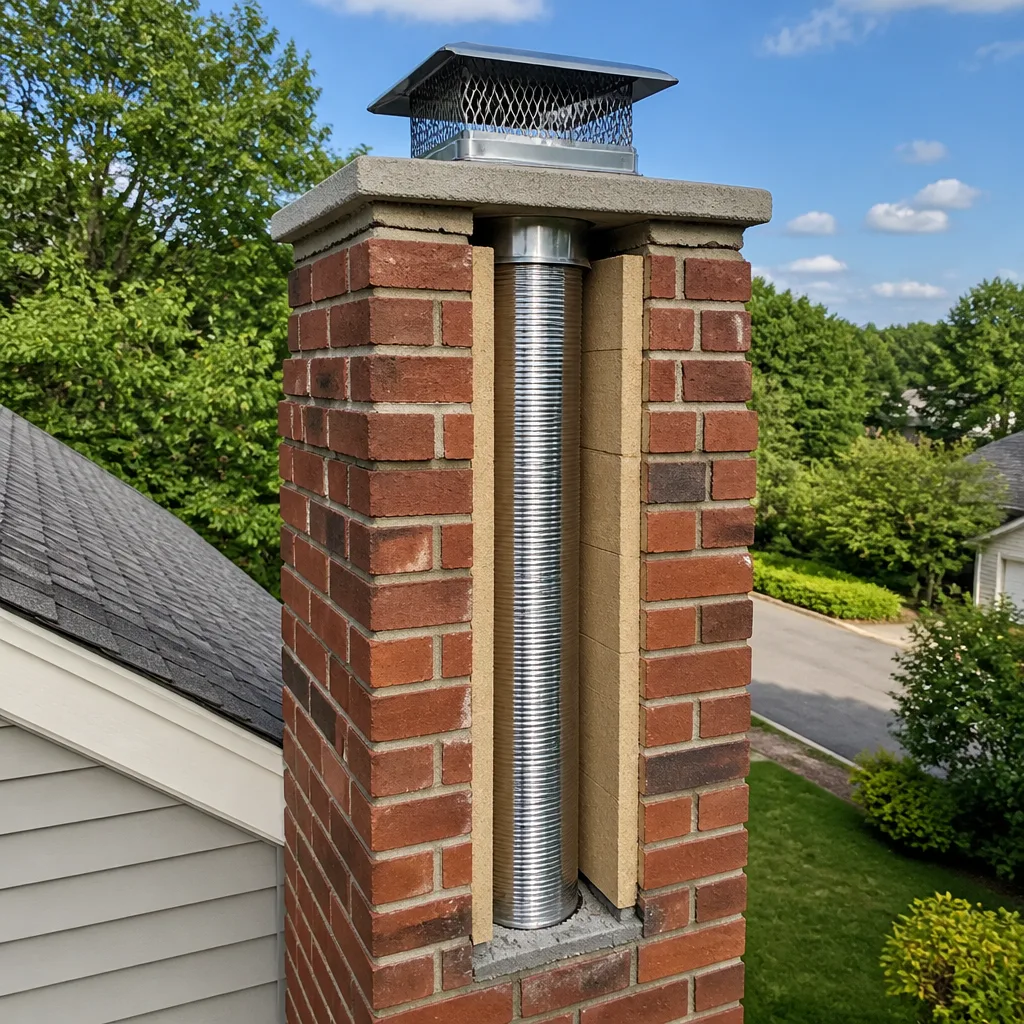 Flue relining
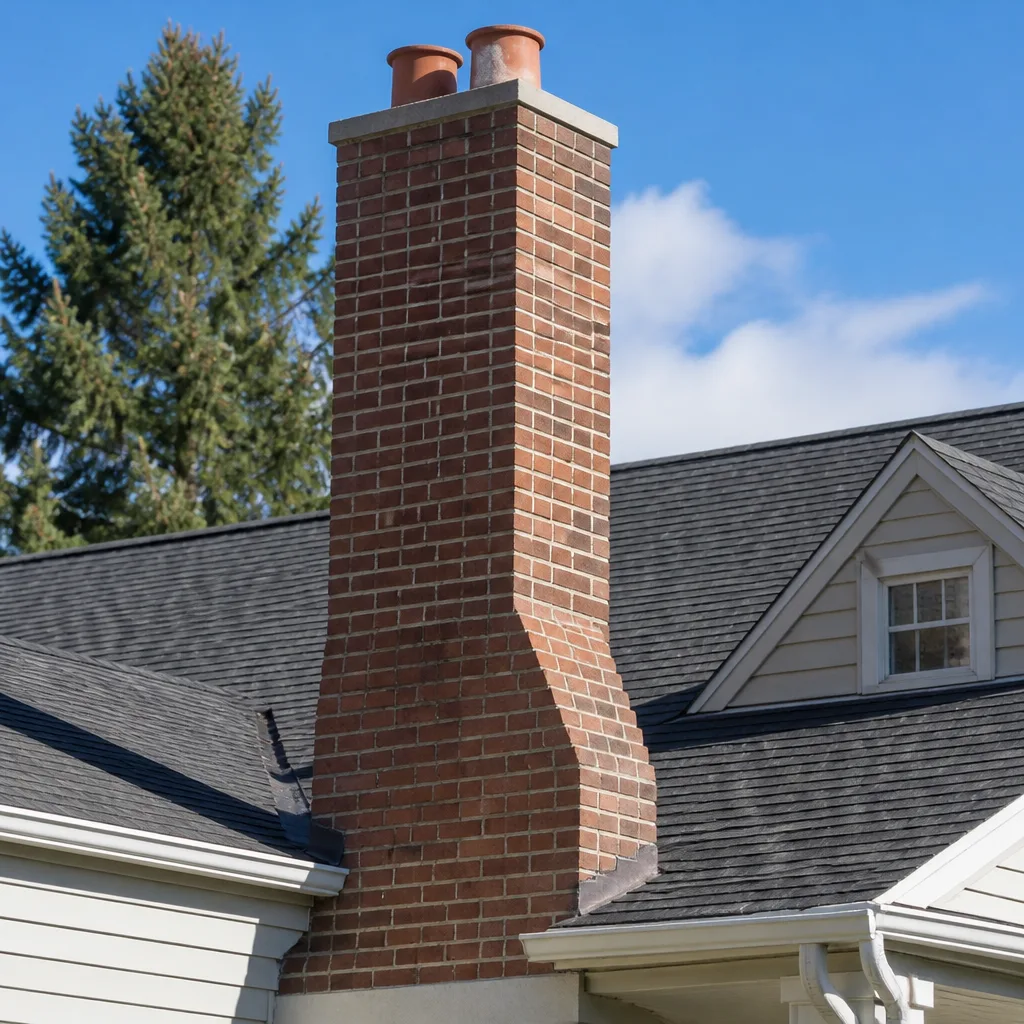 Masonry repair
 Gas fireplace service
Level 1 sweep and inspection to the NFPA 211 annual standard - flue, crown, cap, and flashing checked and photographed
Chimney sweep logs do not sweep chimneys. They loosen some creosote - which then falls where a brush and vacuum still have to collect it.
The Complete Guide to Chimney Cleaning in Tyler
Most chimney fires don’t start because a homeowner skipped cleaning. They start because cleaning was done without anyone understanding what stage of creosote was already sitting in the flue. Stage 3 glaze can’t be brushed out, and Tyler’s shoulder seasons create exactly the conditions that produce it. This guide treats Tyler homes as a distinct technical case: clay-heavy soil that moves underfoot, humid subtropical air, short cool fires that glaze liners faster than a cold-climate wood stove ever would. You’ll learn how creosote actually stages here, what each level of inspection covers, how to read a technician’s report, and what a real cleaning includes.
Quick Answer
Chimney cleaning in Tyler means removing creosote and soot from the flue and firebox, then confirming with a camera that the liner, crown, and cap are sound. A proper cleaning is paired with a Level 2 inspection, because East Texas humidity and the short, cool fires common in Tyler produce glazed creosote that a brush alone won’t remove. If you burn wood regularly, plan on one cleaning per year.
Styles & brands we work with
- Sweep & inspection
- Caps & crowns
- Flue relining
- Masonry repair
- Gas fireplace service
Table of Contents
- Why Chimney Cleaning in Tyler Isn’t a Copy of a National Template
- How Creosote Stages Differ in East Texas Humidity
- Level 1, 2, and 3 Inspections: Which One Do You Actually Need?
- Clay Soil, Crown Movement, and Flue Alignment
- What a Full-Service Cleaning Includes (and What It Doesn’t)
- How to Read a Chimney Inspection Report
- What Chimney Cleaning Costs in Tyler
- What You Can Check Yourself, and What You Shouldn’t
Why Chimney Cleaning in Tyler Isn’t a Copy of a National Template
Most chimney care advice online was written for cold, dry climates. Wood stoves running hard through a long winter, deep snow loads on roofs, hard freezes splitting masonry. Tyler doesn’t work that way. Our winters are mild, our summers are long and humid, and our soil is a mix of sandy loam and expansive clay that swells and shrinks with the water table. That combination changes what happens inside a chimney, and it changes what a cleaning should actually accomplish.
Here’s the practical difference. In a cold climate, a chimney that runs hot for months burns off moisture and keeps creosote from accumulating fast. In Tyler, many homeowners light short, cool fires: a fire on a chilly morning, a fire on a damp evening in the shoulder seasons, a fire for atmosphere more than heat. Those short fires are the problem. A cool fire sends more unburned wood gas up the flue, and that gas condenses on cooler flue walls. Repeat that cycle through a humid fall and a mild winter, and you build the exact conditions for glazed creosote.
That’s the technical case we work with in Tyler. It’s why we don’t treat a sweep as a brush-and-go. It’s also why we carry a roster of professional-trade brands like Olympia Chimney and DuraFlex: when a flue needs a liner, a cap, or a set of components, the material spec matters more than the label on a box.
How Creosote Stages Differ in East Texas Humidity
Creosote builds in three recognizable stages, and each one calls for a different response. A brush handles the first. The second needs more work. The third can’t be brushed at all, and that’s where the real risk lives.
- Stage 1 – soot and flaky dust. Light, powdery, and easy to remove with a standard brush. This is what most homeowners picture when they think about cleaning a chimney.
- Stage 2 – crusty and flaky deposits. The creosote hardens into a textured crust that clings to the flue wall. Brushing removes most of it, but a technician needs to check the whole run, not just the sections you can see from the firebox.
- Stage 3 – glazed creosote. A shiny, hard, tar-like coating bonded to the liner. Brushes skate across it. Chemical treatment and mechanical removal, or resurfacing, are often needed before the flue is safe again.
East Texas humidity changes the timing. A damp flue cools faster and holds moisture longer, so the condensing gases have more time to settle and harden. Cool, short fires make it worse because the firebox never gets hot enough to drive off the moisture. That’s why we see glaze forming in a Tyler chimney in fewer burn seasons than a homeowner would expect.
This is where the difference between a real cleaning and a quick brush shows up. A camera inspection tells you which stage you’re looking at. Without that, you’re guessing. A clean chimney is a measurable thing, and the camera is how we measure it.
Level 1, 2, and 3 Inspections: Which One Do You Actually Need?
The industry standard recognizes three levels of chimney inspection, and they aren’t interchangeable. Knowing which one applies to your situation is the single most useful piece of chimney literacy a homeowner can have.
- Level 1. A visual inspection of the readily accessible parts of the chimney and firebox, with no tools required. It’s the right call when your appliance and liner are unchanged, conditions have been steady, and you’re due for a routine annual check.
- Level 2. A visual inspection plus accessible portions of the attic, crawlspace, and chimney exterior, typically with a camera run through the flue. This is the standard for a new home purchase, an appliance change, a liner replacement, or after a chimney fire or seismic event.
- Level 3. A diagnostic inspection that requires opening up parts of the chimney or building where concealed damage is suspected. It’s the least common level, and it’s reserved for serious, specific concerns.
Most Tyler homeowners need a Level 2 at least once, and a Level 1 in the years between. Why Level 2 so often here? Because homes change hands, appliances get swapped, and the clay soil under Tyler moves. A visual check from the firebox can miss a cracked flue tile forty feet up. The camera doesn’t. When we run a camera, we show you the footage, and you can see the same thing we do.
Clay Soil, Crown Movement, and Flue Alignment
A chimney looks like a fixed object, but it sits on ground that moves. Tyler’s mix of sandy loam and expansive clay swells when wet and shrinks when dry, and that cycle works on any masonry structure above it. The result shows up at the top: a crown that cracks, a cap that shifts, and a flue that leans out of plumb a little each season. None of that has anything to do with how often you burn wood.
Why crown and footing movement matters for cleaning:
- A cracked crown lets water in. Water finds the liner and the mortar joints. Moisture in the flue is exactly what accelerates creosote staging.
- A shifted cap lets debris and animals in. Nesting material in the flue is a fire hazard and a blockage risk.
- Footing movement changes alignment. As the chimney leans, the flue tile joints and the liner connection at the top can open up.
- Expansive clay shifts unevenly. Two chimney faces can move at different rates, and the mortar wears at the joints.
We see this pattern across Tyler. A cleaning without a top-to-bottom look at the crown, cap, and flashing is a partial job. When components need replacing, we source from Famco for caps and venting purposes because the hardware is engineered for the application, not improvised from a hardware-store bin.
What a Full-Service Cleaning Includes (and What It Doesn’t)
A full-service cleaning is not the same as a blowout and brush. The brush-and-go version moves soot out of the firebox and calls it done. A real cleaning covers the full system, and here’s what that looks like as a walkthrough:
- Setup and containment. Drop cloths and a sealed vacuum over the firebox, so nothing in the room settles.
- Firebox and damper checks. The damper opens, closes, and seals, or it doesn’t. That gets noted.
- Flue brushing. The full run, top to bottom, with the right brush size for the flue.
- Smoke chamber and shelf. The transition zone where soot collects out of sight.
- Camera inspection. Up the flue, checking for cracks, gaps, and glaze.
- Exterior look. Crown, cap, flashing, and the top of the flue.
- Report. What we found, what it means, and what can wait.
What’s missing from a quick brush is steps 5 through 7. That’s where liner damage gets found, where a failing crown gets flagged, and where a homeowner learns whether the next step is a resurface, a liner, or nothing at all. If a resurface makes sense, we use HeatShield for liner repair, which is a less invasive option than full relining for many flues. When a full liner is the right call, DuraFlex flexible liner systems are what we’d install. Either way, the decision comes from what the camera showed.
How to Read a Chimney Inspection Report
An inspection report is only as useful as it is specific. When a technician hands you one, these are the things worth looking for, because their absence usually points to an incomplete job:
- Pictures or video of the flue. A report without images is a summary, not an inspection.
- The creosote stage, named. Stage 1, 2, or 3. Vague terms like “moderate buildup” don’t tell you what you’re dealing with.
- Liner condition, section by section. A crack in one tile joint is different from a general condition note.
- The crown, cap, and flashing. Each one gets a line item with an assessment.
- What can wait. A good report tells you the urgency level. Not every line is a “do it now.”
- A clear recommendation. Clean, resurface, reline, or nothing at all. “We’ll call you with options” is a red flag.
What we’ve seen is that homeowners get nervous when a report arrives with a long list of items. So we go through it with the camera footage. If a recommendation doesn’t have a corresponding image, we don’t make it. When the answer is that nothing needs doing this year, we say that too.
What Chimney Cleaning Costs in Tyler
The right way to price chimney work is per job, by written estimate. No two flues are the same. A short, straight flue from a single-story home in the Azalea District is a different scope than a two-story house with a roofline that makes access harder. The variables that move the number are:
- Creosote stage. Stage 3 requires treatment and often resurfacing, which is a separate scope.
- Access and roof complexity. Pitch, height, and the number of flues on the chimney.
- Inspection level. A Level 1 is a different scope than a Level 2 with camera.
- Repairs found. A cap, a crown repair, or a resurface add scope.
We don’t quote over the phone from a generic price list. The written estimate after the inspection is the price. It’s the same number the invoice will show, so there’s no surprise when the work is finished. Call (866) 389-3453 for a free estimate. We answer 24/7. Fast dispatch from 7am to 7pm, Sunday through Friday.
What You Can Check Yourself, and What You Shouldn’t
There’s real value in knowing what to look at, and it’s a short list. What you can check without climbing on the roof:
- Draft and smoke. A properly drafting chimney pulls smoke up the flue. Smoke that lingers in the room is a signal something’s off.
- Odor when the fire is out. A persistent smoky smell from the firebox often points to creosote or a draft issue.
- Visible buildup at the top of the firebox. Soot is normal; shiny tar is not.
- The cap from the ground. A good set of binoculars tells you whether the cap is in place and intact.
- Water stains at the flue. Brown streaks on the chimney or ceiling below point to a crown or flashing issue.
What you shouldn’t do is climb the roof and run a brush. Every step up there is a fall risk, and the flue itself is the part that matters. A cracked flue tile or a glazed section doesn’t get fixed by a homeowner with a brush; it gets found by someone who knows what they’re looking at. That’s what we’re for, and it’s why we’d rather you check what’s at eye level and leave the rest to a trained technician.
Common Mistakes to Avoid
- Treating a sweep as a brush-and-go. A cleaning without an inspection leaves liner damage and glaze undetected. The whole point is what the camera finds.
- Burning short, cool fires through the shoulder season. In Tyler’s mild climate, this is the top cause of glaze buildup. It’s the exact opposite of what most national advice recommends.
- Ignoring the crown and cap because the flue looks fine. Water is the enemy of a masonry chimney, and a cracked crown is the usual entry point.
- Skipping the Level 2 inspection at a home purchase. A visual check from the firebox can miss a cracked tile forty feet up. The camera can’t miss it.
- Letting a report go unread. If the report doesn’t include photos, the creosote stage, or a clear recommendation, ask for all three before you book any work.
- Hiring one company to inspect and another to repair. The technician who recommends work should be the same one who does it. Otherwise, the diagnosis and the fix are two different conversations.
- Waiting until the first cold snap to schedule. Sweeps book out fast when the fall arrives. That’s a seasonal pattern across Tyler, not a same-day promise: our dispatch runs Sunday through Friday, 7am to 7pm.
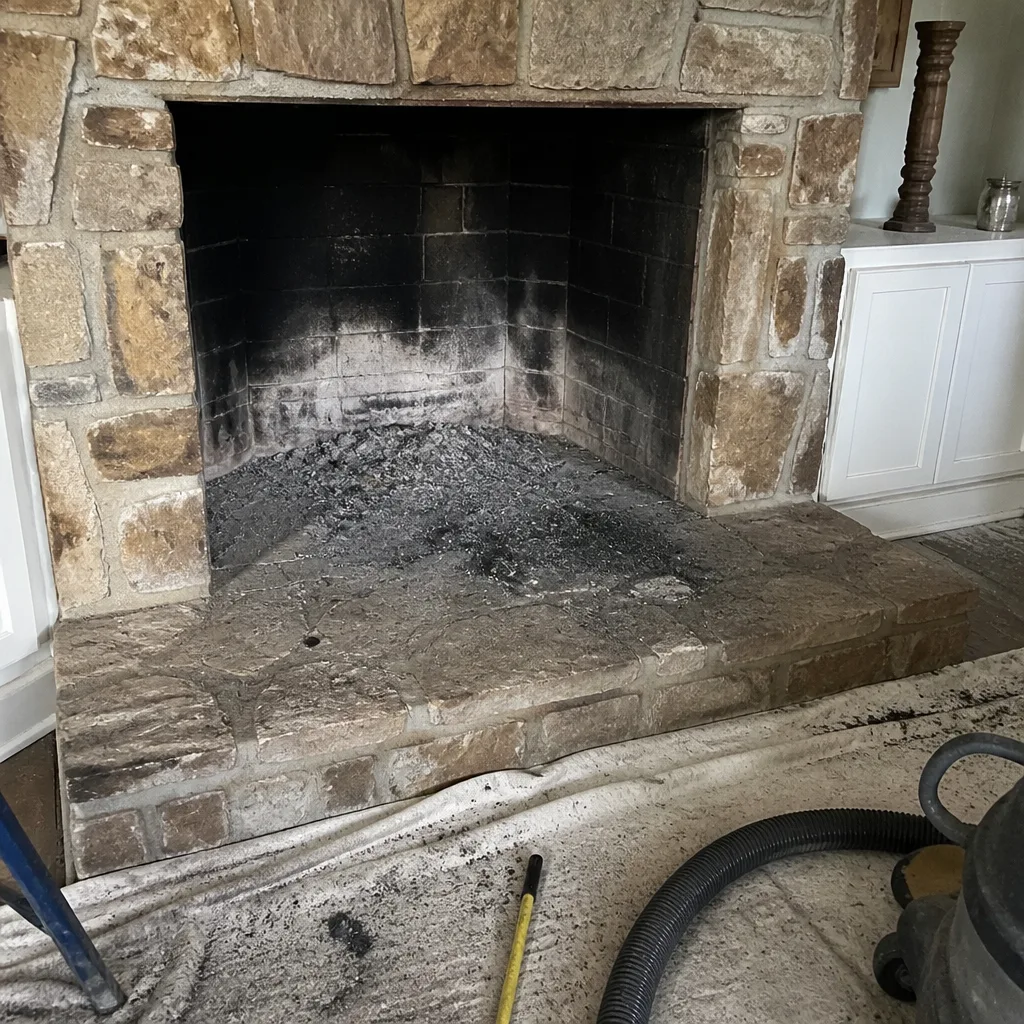
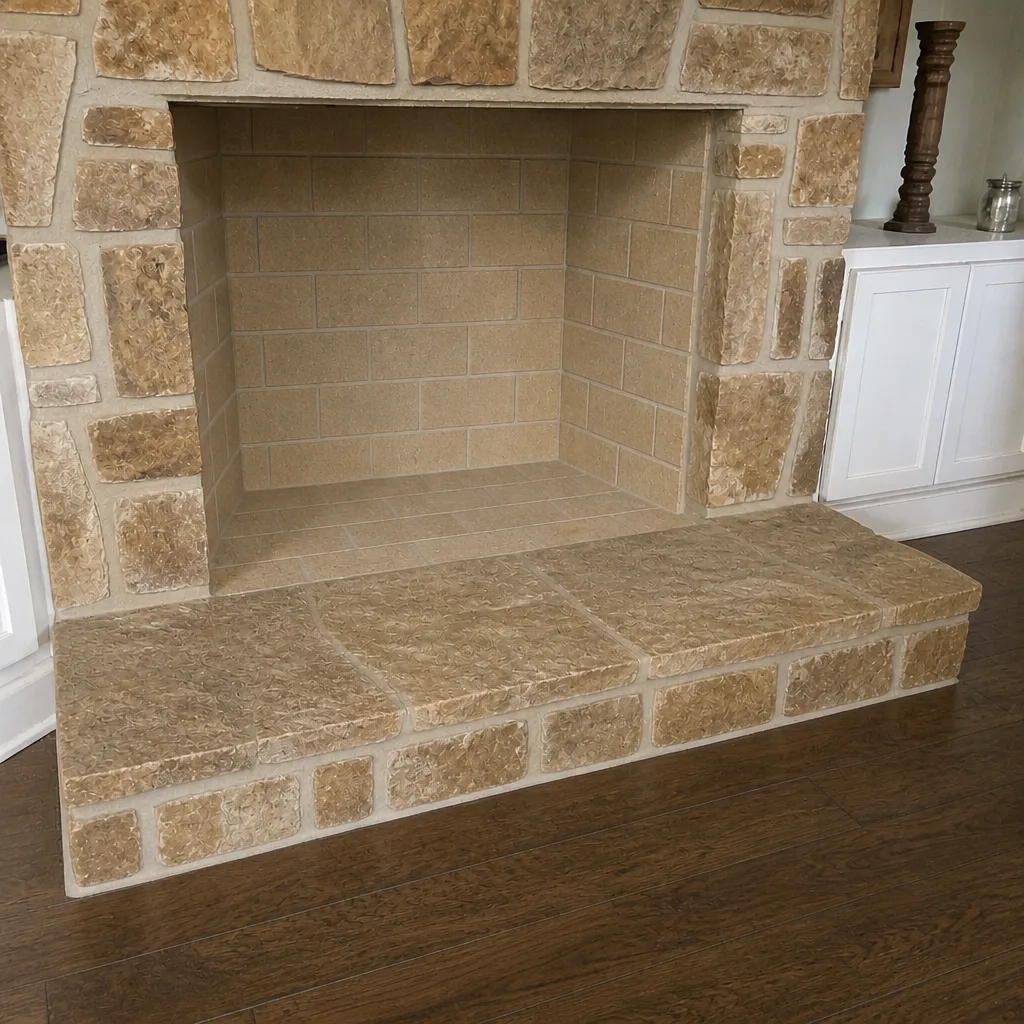
See the difference
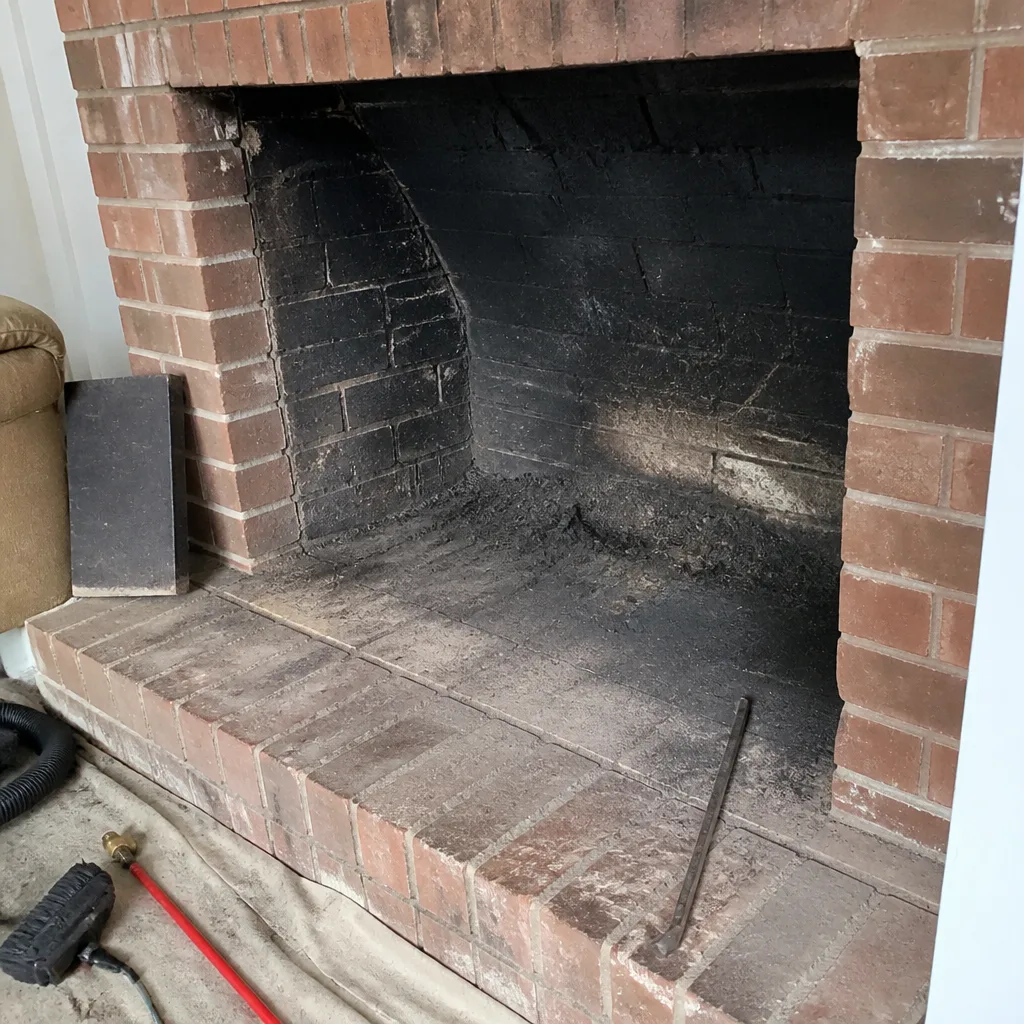 Before
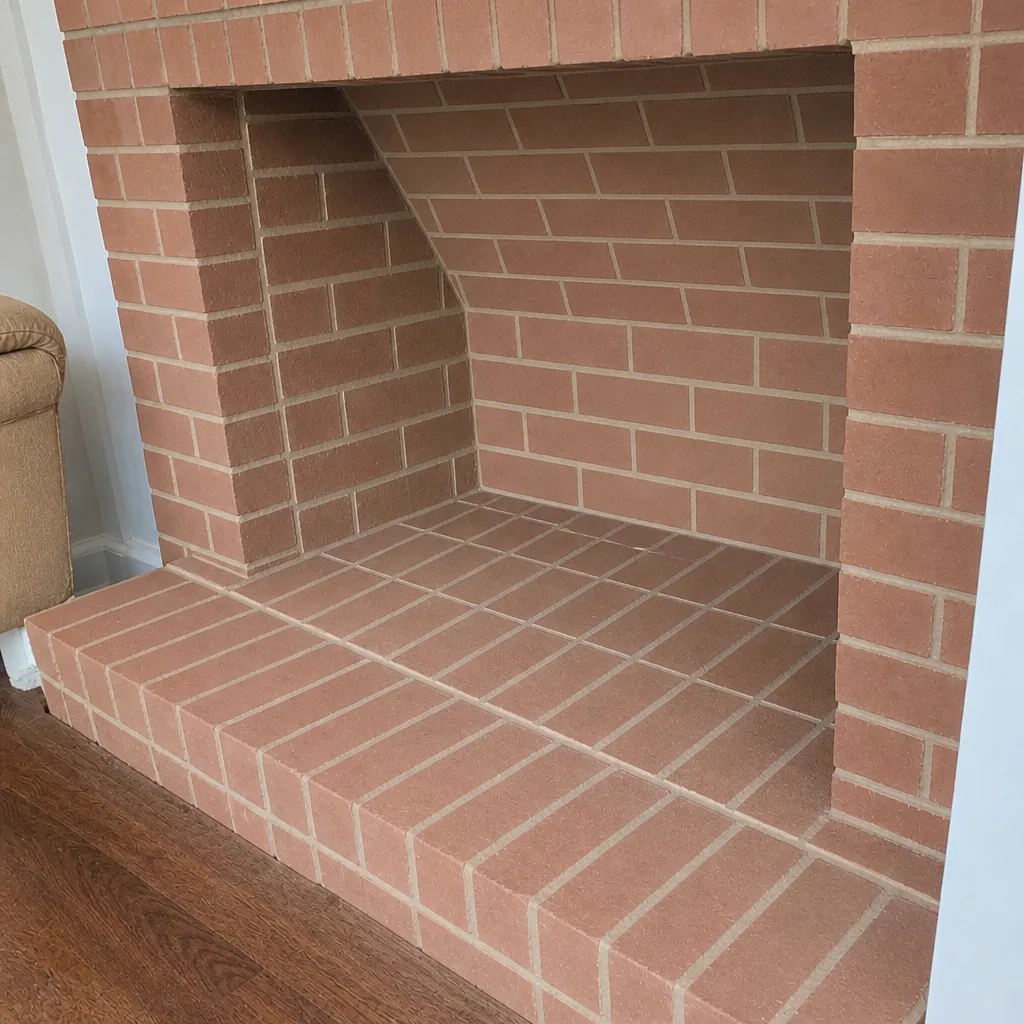 After
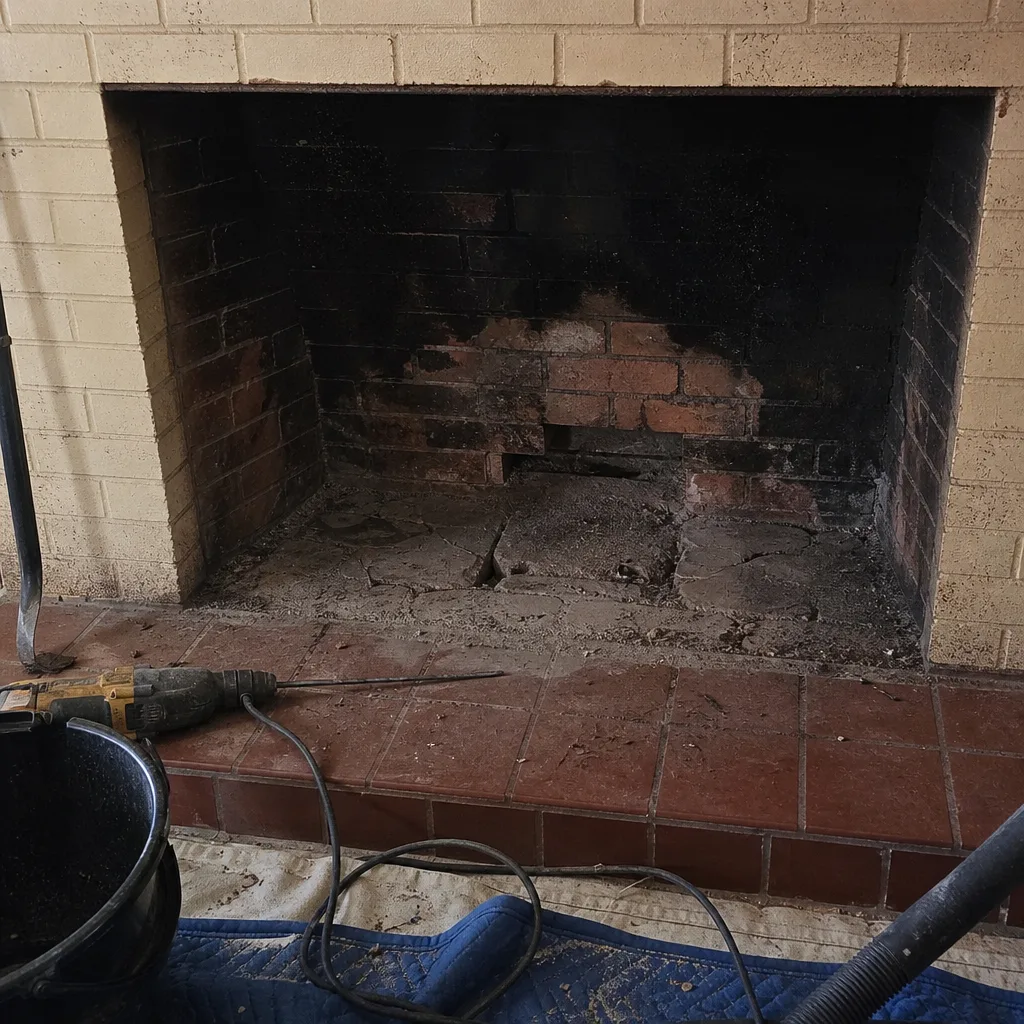 Before
 After
 Before
 After
When to Call a Professional
Call a professional for any of these:
- You haven’t had the chimney cleaned in more than a year and you burn wood regularly.
- You’re buying a home in Tyler and the chimney history is unknown.
- You’ve changed appliances or had a liner replaced.
- You smell smoke in the room when the fire is burning or persistent odor when it isn’t.
- You see shiny, tar-like buildup at the top of the firebox.
- The cap is missing, shifted, or damaged.
- You’ve had a chimney fire, even a small one.
Chimney Sweep Tyler offers free estimates in Tyler. Call (866) 389-3453. We can work with your insurer when the scope calls for it. And if the answer is that the work can wait, we’ll tell you. Our technicians have up to 11 years of experience, and the inspection reflects what the camera actually showed, not what a sales sheet wants to say.
Frequently Asked Questions
Once a year for a home that burns wood regularly, and at the start of a new ownership or after an appliance change. Tyler’s mild winters mean many homeowners burn short, cool fires through the shoulder seasons, and those are the fires that build glazed creosote fastest. A yearly cleaning and inspection catches the issue before it becomes a resurface or a reline. Call (866) 389-3453 for an exact quote; estimates are free.
Not always, and a good inspection is what tells you for sure. A cracked or damaged clay liner can often be resurfaced with HeatShield, which is a less invasive option than a full reline. A full-liner replacement is the right call when the flue has lost integrity or the appliance needs a new vent. The recommendation should come with camera footage so you can see what the technician saw. Call (866) 389-3453 for an exact quote; estimates are free.
Creosote builds, and at Stage 3 it becomes a genuine fire hazard that a brush can’t remove. The risk is real but specific: glazed creosote ignites at lower temperatures than most homeowners realize. Skipping a cleaning also lets small issues like a cracked crown or a shifted cap turn into water damage and liner problems. If it’s been more than a year, book a cleaning and inspection. Call (866) 389-3453 for an exact quote; estimates are free.
A Level 1 is a visual check of the accessible parts of the chimney and firebox, no tools required. A Level 2 adds accessible parts of the attic, crawlspace, and exterior, plus a camera run through the flue. In Tyler, we do a Level 2 for new home purchases, appliance changes, and after any chimney fire. Call (866) 389-3453 for an exact quote; estimates are free.
No. Stage 3 glazed creosote is a hard, tar-like coating bonded to the liner, and brushes skate over it. It has to be chemically treated and mechanically removed, or the flue has to be resurfaced. This is why a brush-only cleaning isn’t a full service, and why camera inspection matters. Call (866) 389-3453 for an exact quote; estimates are free.
Yes. Sweep, inspection, and repair are handled by the same team, so any issue found during the cleaning can be addressed without a handoff to a second company. That continuity matters because the technician who can see the failure in the camera footage is also the one who knows what’s needed to fix it. Call (866) 389-3453 for an exact quote; estimates are free.
The Bottom Line
Tyler isn’t a generic chimney market. Humid subtropical air, short cool fires, and expansive clay soil under masonry create a specific pattern of creosote staging and liner wear that cold-climate advice doesn’t cover. That means a cleaning paired with a Level 2 inspection, a top-to-bottom look at the crown and cap, and a report you can actually read and understand. A proper chimney sweep is more than a brush; it’s a camera check, a diagnostic, and a plan. When repairs are needed, a chimney repair team that specifies DuraFlex, HeatShield, and other professional-trade components is who you want on the job. If you’re due for a cleaning, call (866) 389-3453. We answer 24/7, with fast dispatch from 7am to 7pm, Sunday through Friday. Free estimates in Tyler.
Written by the team at Chimney Sweep Tyler.