
Last updated November 15, 2026
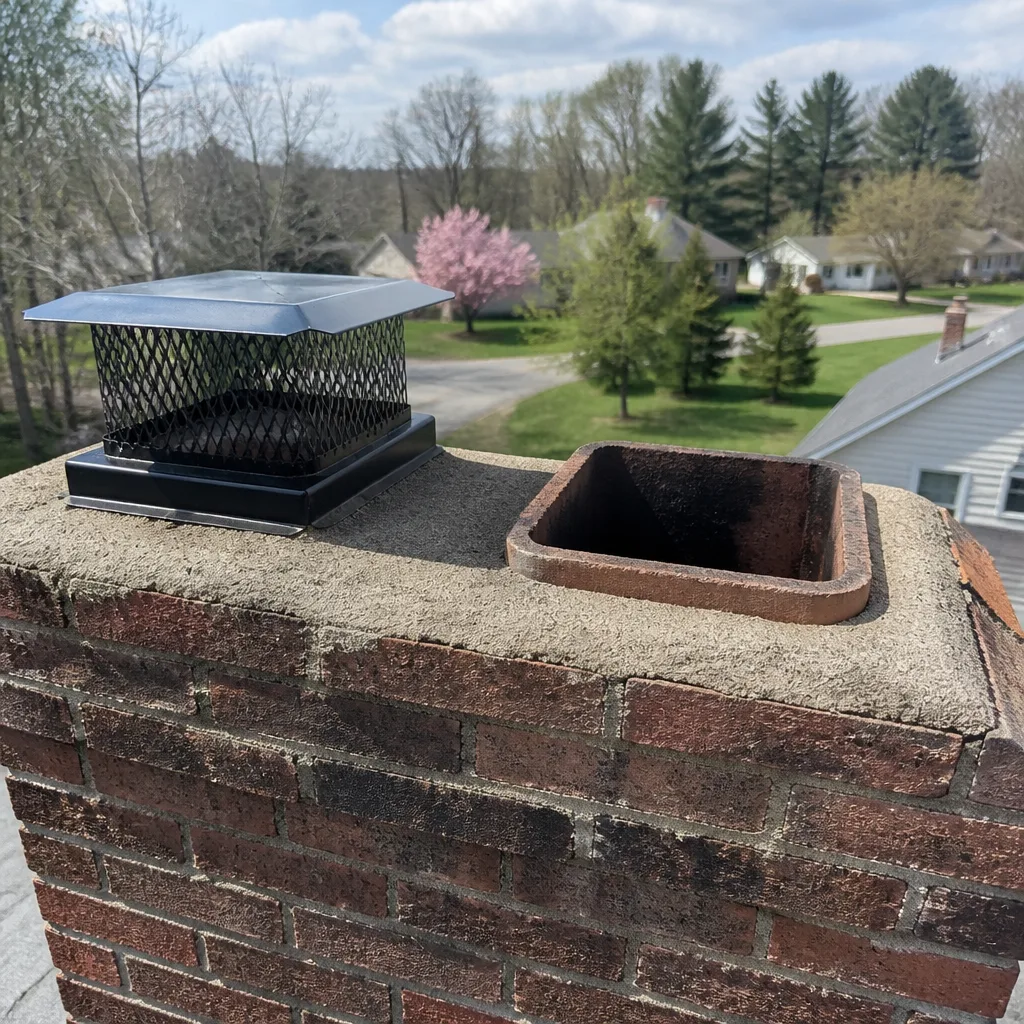 Sweep & inspection
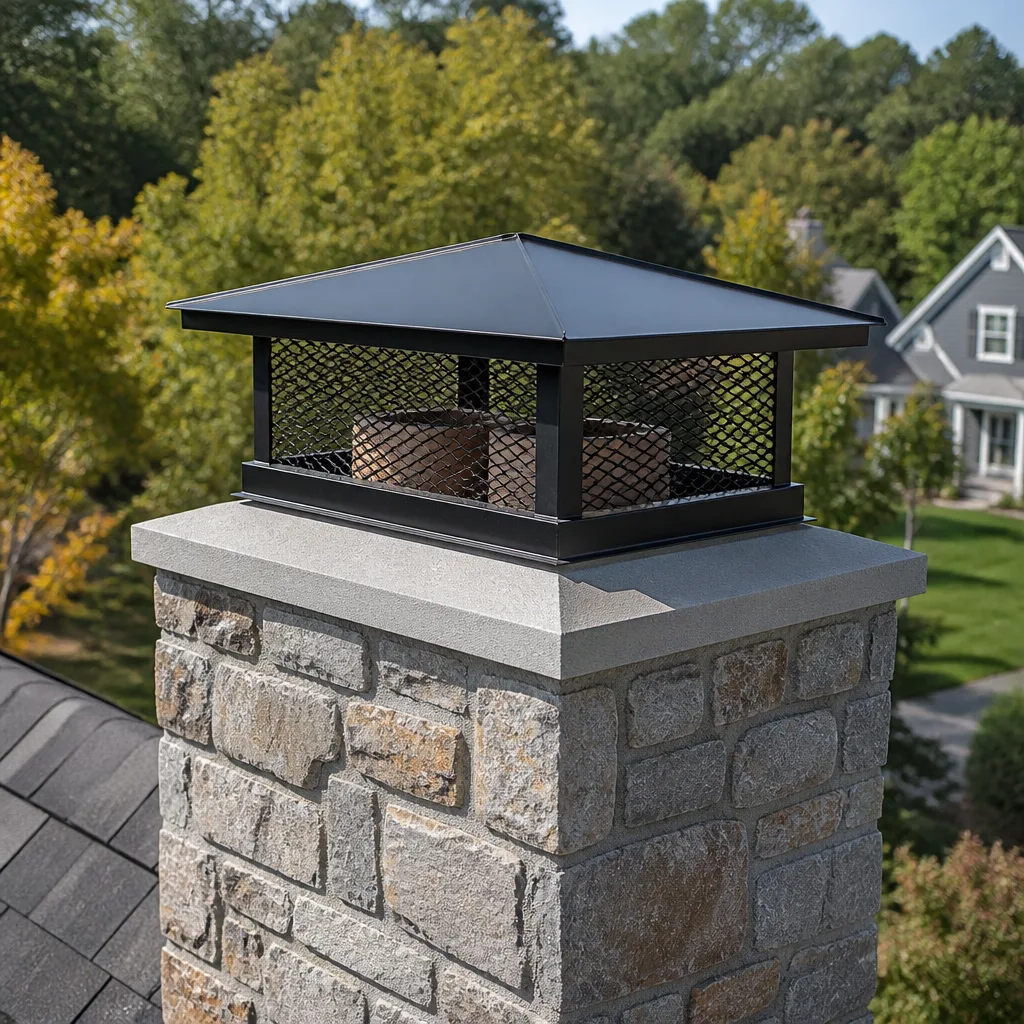 Caps & crowns
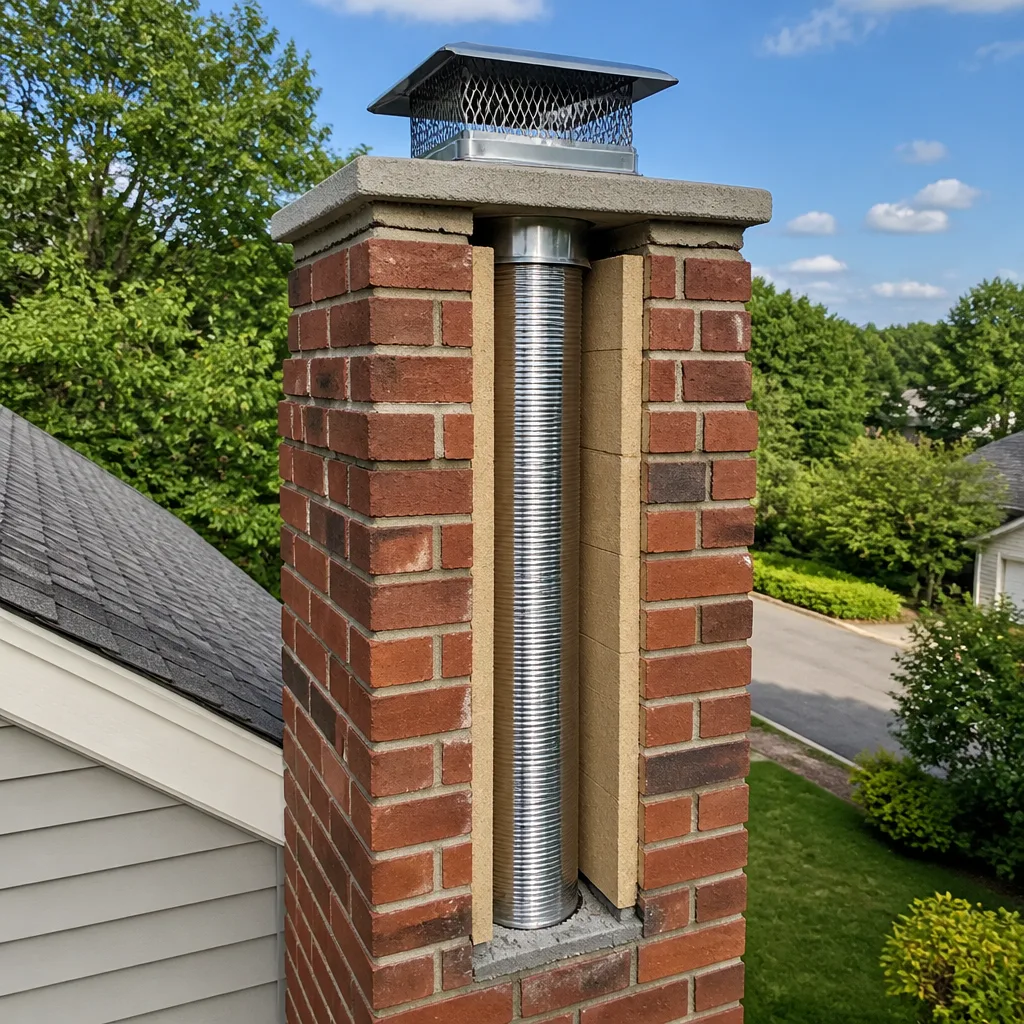 Flue relining
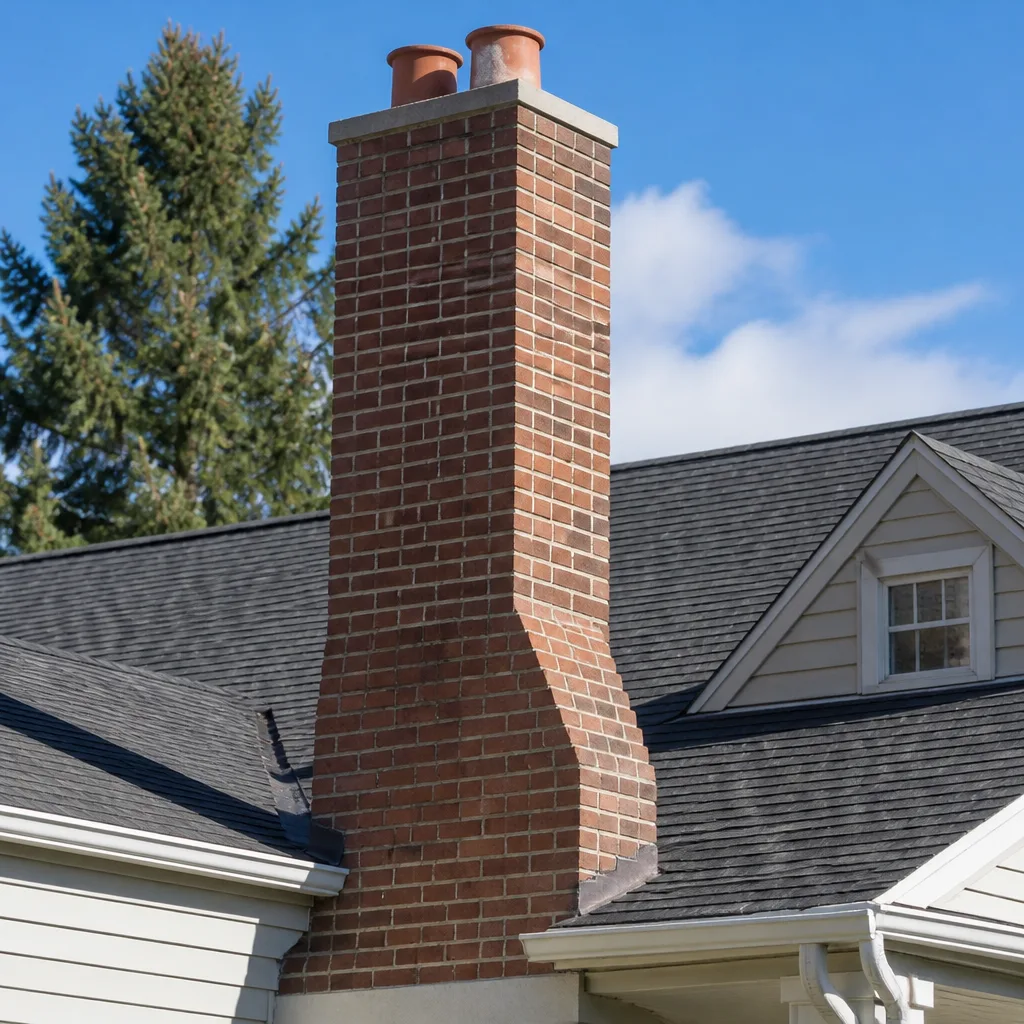 Masonry repair
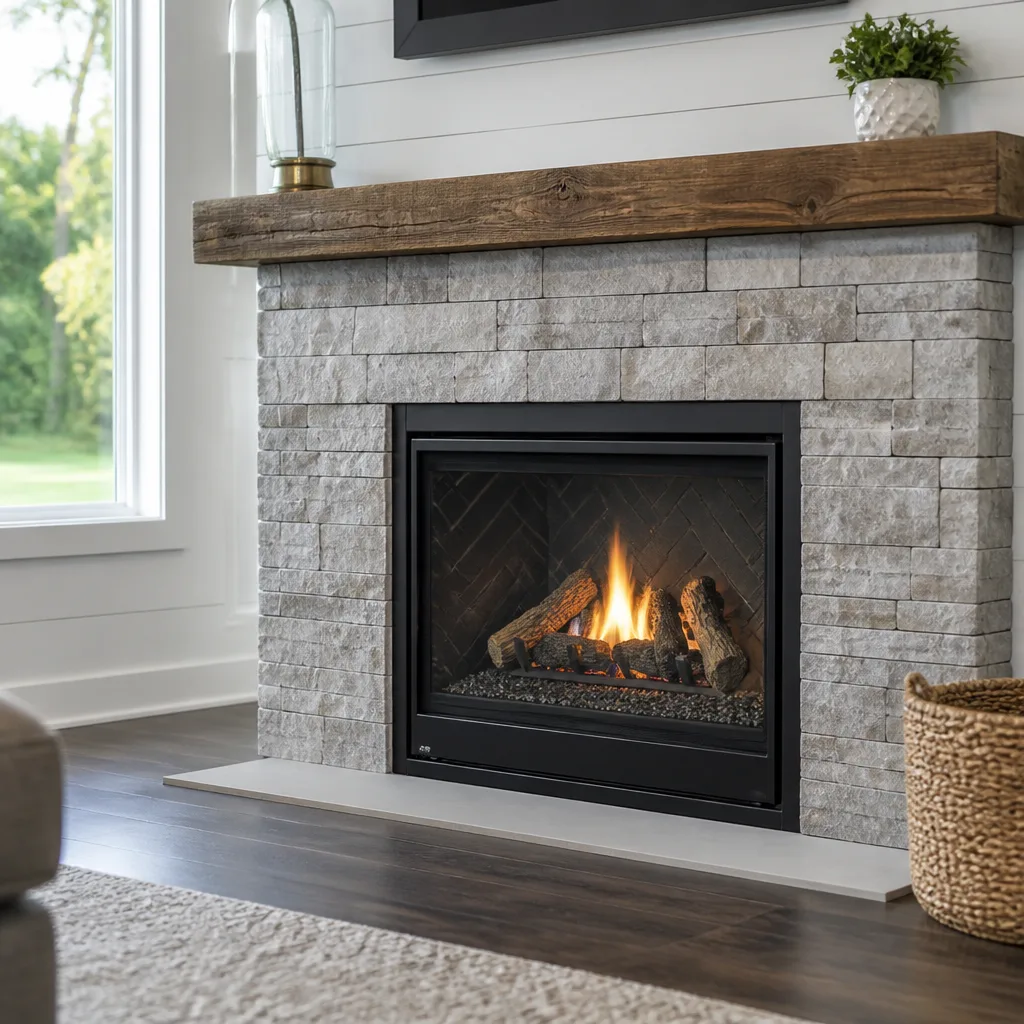 Gas fireplace service
Level 1 sweep and inspection to the NFPA 211 annual standard - flue, crown, cap, and flashing checked and photographed
Chimney sweep logs do not sweep chimneys. They loosen some creosote - which then falls where a brush and vacuum still have to collect it.
Choosing the Right Chimney Cleaning Brand: A Buyer’s Guide for Tyler
When a technician replaces your chimney cap, you’ll probably never see the box it came from. The brand inside that box determines whether you’re calling for a warranty replacement in two years or a repair in twelve. That gap is real in Tyler, where heat and humidity work on a chimney system all year. Ask most homeowners what brand of liner, cap or damper went onto their chimney and you’ll get a shrug. This guide fixes that. We’ll walk through what professional-grade chimney materials actually are, why DuraFlex and HeatShield behave differently from off-the-shelf substitutes, and the exact questions that tell you whether a contractor sources purpose-built parts or grabs whatever is closest.
Quick Answer
The right chimney cleaning brand is the one made for the trade and specified for your system, not the cheapest one on a shelf. In Tyler, that usually means a DuraFlex flexible liner for relining, HeatShield for resurfacing a damaged flue, and Copperfield or Famco caps and dampers that are engineered for chimney service. Ask which brands a contractor uses, and their answer tells you how they source materials and how seriously they take the repair.
Styles & brands we work with
- Sweep & inspection
- Caps & crowns
- Flue relining
- Masonry repair
- Gas fireplace service
Table of Contents
- What “Brand” Actually Means in Chimney Work
- DuraFlex Liner Systems: The Alloy Specs That Matter in Tyler
- HeatShield vs. Generic Refractory Cement
- Contractor-Grade vs. Homeowner-Grade Chimney Products
- Questions That Reveal How Your Contractor Sources Materials
- Why Brand Consistency Across a Chimney System Matters
- How to Match a Brand to Your Chimney’s Condition
- How Tyler’s Heat and Humidity Change the Calculation
What “Brand” Actually Means in Chimney Work
In chimney work, “brand” isn’t marketing. It’s a specification. A chimney cap is not just a metal lid; it’s a specific gauge, a specific alloy, a specific way of mounting to the flue. A liner is not just a flexible tube; it’s a defined alloy, wall thickness and temperature rating. When you know the brand and model, you know what you’re getting. When you don’t, you’re trusting the box was a good one.
Most of the chimney system sits out of sight. The liner runs inside the flue, the cap sits above the crown, the damper sits below the firebox. You’ll see the cap every time you walk outside, but you’ll rarely look at the liner again until something goes wrong. That invisibility is exactly why materials matter. The parts you never see are the ones doing the hardest work, holding back heat, moisture and combustion byproducts year after year.
Retail shelves are full of chimney products. Big-box stores carry caps, dampers, brushes and cement. What they carry is generally built for a homeowner doing a quick job, not for a technician sealing a flue. A cap from a hardware aisle may fit, but the metal gauge, the fasteners and the sealant are chosen for cost, not for a decade of Tyler sun and rain.
Professional-trade brands like Chimney Sweep Tyler works with, DuraFlex, HeatShield, Gelco, Olympia Chimney, Famco and Copperfield, are sold through the trade for a reason. They’re specified by people who repair chimneys, not by people stocking a shelf. That’s the difference we want you to be able to spot.
DuraFlex Liner Systems: The Alloy Specs That Matter in Tyler
DuraFlex is a flexible stainless steel liner system. It’s used for relining an existing flue when the original clay tile is cracked, spalling or too large to vent an appliance properly, and for upgrading a chimney when a new insert or appliance goes in. Flexible liners bend around offsets in an old chimney, which rigid pipe can’t do without cutting and fitting.
The specification that matters most is the alloy. Stainless steel liners are made in different grades, and the grade determines how the metal holds up to heat and to the acidic condensation that forms when flue gases cool. A higher-grade alloy resists corrosion longer than a lower grade. That’s not a marketing claim; it’s metallurgy. In Tyler’s climate, where warm, humid air meets a cooler flue, condensation inside the chimney is a normal part of the year, and the alloy grade decides how a liner handles it.
Wall thickness matters too. A thicker wall resists mechanical damage during cleaning and holds its shape under thermal cycling. Combustion appliances run hot, then cool, then run hot again, and each cycle stresses the metal slightly. A liner built to a specification handles thousands of those cycles. A thinner liner handles fewer.
When a DuraFlex liner is installed, the key steps are:
- Measure the flue and confirm the appliance’s venting requirement.
- Choose the correct alloy grade and wall thickness for that appliance and flue.
- Insulate the liner so flue gases stay warm and condensation is reduced.
- Seal the top plate and the firebox connection so nothing leaks past the liner.
- Verify draft after installation.
Each step depends on the material being right. If the alloy is underspecified, insulation gets skipped to save room, or the top plate is a generic fit, the liner may work for a while and then fail at the joints and the crown. That’s the difference between a liner that lasts and one that becomes a callback. If your flue needs relining, that’s part of chimney repair, and it should come with a clear explanation of the alloy grade and why it was chosen.
HeatShield vs. Generic Refractory Cement
HeatShield is an engineered chimney resurfacing system. It’s used to repair a damaged flue by applying a proprietary, ceramic-based material that bonds to the existing flue surface and forms a smooth, sealed lining. It’s a non-invasive option that comes before full relining. When the flue is cracked but still structurally sound, resurfacing can restore it without pulling a new liner through the chimney.
Generic refractory cement is a different product. It’s a mortar, often mixed on site, used to patch cracks and joints. It works for small repairs, but it’s not the same as an engineered resurfacing system. The difference is in how the material behaves when the flue heats and cools. Refractory cement expands and contracts with the flue, and over many cycles, patches can crack, shrink or pull away. The engineered system is formulated for those thermal cycles, and the application method is specified by the manufacturer: a specific surface preparation, a specific thickness, a specific cure.
In our experience, thermal cycling is where field-mixed patches and engineered systems part ways. Tyler’s climate is warm for much of the year and the chimney sees regular use, so the flue cycles between hot and cool repeatedly. A patch that looks solid in the fall can hairline at the joints by the next season. A resurfacing system that’s specified for the job is built for that cycle.
What you should hear from a contractor who uses HeatShield:
- The flue was inspected with a camera and the damage was photographed.
- The damage is at the surface, not in the structure, or the recommendation changes.
- The surface preparation and cure are per the system’s specification.
- You’re shown the before and after, not just told about it.
That last point is the one that separates a real recommendation from a sales pitch. HeatShield allows a chimney to be repaired without a full reline, which is often less invasive and less expensive. It isn’t right for every flue, and a contractor who applies it everywhere isn’t specifying; they’re selling.
Contractor-Grade vs. Homeowner-Grade Chimney Products
The same category of product can come in two grades, and the chrome cap you see at the hardware store and the cap on a professionally repaired chimney may look similar at a glance. Contractor-grade products are specified for the trade, sold through supply houses or direct, and built to a standard that assumes a trained installer. Homeowner-grade products are built for a weekend project and a price point.
Here’s what the difference shows up in:
- Metal gauge and alloy. A cap built from a heavier stainless or copper-alloy sheet resists rust and denting far longer than a thinner, lower-grade metal.
- Fasteners. Trade hardware uses stainless or coated fasteners that don’t rust out and leave the cap loose in a year or two.
- Fit. Trade caps are sized to the flue and mounted with a proper top plate and sealant; retail caps are often a one-size slip-on.
- Sealant and flashing. The material that seals the cap to the crown is part of the system, not an afterthought.
- Warranty support. Trade brands stand behind their products through the contractor channel, so a failed part has a path to remedy.
This is where a Copperfield cap earns its place. It’s a purpose-engineered chimney component, sized and installed as part of a system. A generic cast cap from a retail shelf may fit the opening and look fine from the street, but the gauge, coating and mounting are chosen for cost. In Tyler’s humidity and heat, that gap shows up as rust-through, a loose cap, or water finding its way down the flue. The box the cap came from is the difference between a part that stays put for its service life and one you replace again sooner than you’d like.
Caps, flashing and venting components should come from brands that make chimney hardware, not improvised substitutes. Famco and Gelco are the kind of names a trade supplier carries for that reason.
Questions That Reveal How Your Contractor Sources Materials
You don’t need to know the alloy grades yourself. You need to know whether the person on your roof does. A few direct questions will tell you. Ask them before the work is scheduled, and listen for specifics rather than reassurance.
- “Which brands do you use for liners and caps?” A materials-informed contractor names them without hesitating. A vague answer (“we use good quality materials”) tells you brand isn’t part of how they source.
- “What alloy grade is the liner, and why that one?” Someone who specifies will tell you the grade and tie it to your appliance and flue. Someone who grabs whatever is available will brush the question off.
- “Do you stock or source purpose-built chimney components, or use generic hardware?” Caps, dampers and flashing from a chimney-products brand behave differently from generic hardware, and the contractor should know that.
- “Can I see what you find on camera before any repair is recommended?” A yes means the recommendation will be backed by evidence you can look at, not a verbal diagnosis.
- “If a repair is needed, do you do it, or does someone else?” The sweep, inspection and repair handled by the same team closes the gap where problems get found and then forgotten.
- “Is the price set before the work starts, and is that the final number?” A written estimate sets the price. Anything vague about cost means the number can move after the fact.
The answer that matters most is consistency. A contractor who can name their brands, explain the spec and back it with a written estimate is sourcing on purpose. That’s the standard to hold anyone to, in Tyler and anywhere else.
Why Brand Consistency Across a Chimney System Matters
A chimney is a system, not a collection of parts. The liner, the cap, the damper and the flashing all interact. When each part comes from the same design philosophy, the system holds together. When they’re mismatched, the weak one determines the service life of the whole.
Warranty coverage is a practical reason. A manufacturer’s warranty on a liner or a cap generally assumes the product was installed as specified, with compatible components and the right sealants. If the cap is a generic part and the sealant is a hardware-store caulk, the system may still work, but the warranty story gets murky when something fails. The manufacturer can point to the incompatible part; the contractor can point to the material; the homeowner is left holding the outcome.
Compatibility is the other reason. A cap sized for a DuraFlex top plate is built to mate with it. A damper designed for a specific liner clearance is built to sit properly. A flashing kit selected for the crown and the roof pitch is built to seal. Trade brands make these to work together, and the fit is part of the specification, not a coincidence.
Brand consistency also makes future work easier. If a technician comes back in a few years and knows the system is DuraFlex with a Copperfield cap and HeatShield resurfacing, they can source the right part quickly. If the system is a patchwork, every repair starts with a guessing game. That’s a real cost, even when it doesn’t show up on the first invoice.
How to Match a Brand to Your Chimney’s Condition
The right brand for your chimney depends on what the inspection finds. A camera inspection shows the inside of the flue, the joints, the crown and the firebox connection, and it’s the basis for the recommendation. The material follows the diagnosis, not the other way around.
Here’s the general map:
- Sound flue, no damage: a sweep and inspection is the work. No liner, no resurfacing. The recommendation is to keep the flue clean and check it annually.
- Cracked or spalling flue tiles, structure intact: HeatShield resurfacing is a candidate. It repairs the surface without pulling a liner.
- Failed flue, or appliance upgrade needs a smaller, sealed flue: a DuraFlex flexible liner is the likely path, with the correct alloy grade and insulation.
- Damaged or missing cap, failing flashing, rusted damper: a purpose-built cap, flashing kit or damper from a trade brand, installed as part of the system.
- Multiple problems: the repair plan sequences them, and the materials follow that sequence.
What we won’t do is recommend a full reline when a resurfacing will do, or push a new cap when the old one is sound. A chimney sweep in Tyler should tell you what the camera shows and what it means, in plain terms. If a repair can safely wait, you should hear that too.
The inspection and the repair belong to the same company for a reason. The technician who finds the problem understands the failure mode, and the same team installs the fix. That continuity is what makes the brand recommendation trustworthy. To see the full scope of what that looks like, visit our chimney sweep service, where the sweep and inspection are handled by the same team that does the repair.
How Tyler’s Heat and Humidity Change the Calculation
Tyler’s climate is warm and humid, and that shapes how a chimney system performs. The heat is hard on the exterior of a chimney, and the humidity is hard on the parts that touch the air. A cap, a crown and flashing are all exposed to sun and to moisture, and the materials that hold up best are the ones specified for the job rather than chosen for price.
Inside the flue, the pattern is different. Warm, moist air meets a cooler flue when the chimney isn’t in use, and condensation can form. When a wood fire is burning, the flue gases carry moisture that can condense on the liner if the gases cool too fast. Insulation on a flexible liner helps keep the gases warm, which reduces condensation and protects the alloy. That’s why insulation is part of the liner specification, not an optional add-on.
In this climate, the surface of a flue also cycles thermally in a mild way for most of the year. The engineered resurfacing system is built for repeated expansion and contraction, and the alloy grade on a liner is built for the same. The generic patch and the thin liner are the ones that show wear first. For a homeowner in Tyler, the practical takeaway is simple: ask what the material is rated for, and let the answer drive the choice.
Common Mistakes to Avoid
- Choosing on price alone. The cheapest cap or liner is cheaper for a reason, and the gap shows up as a second repair sooner than the first should have needed one. On a Tyler roof, that’s two trips up and down instead of one.
- Letting a generalist source the parts. A handyman can mount a cap, but sourcing purpose-built chimney hardware is a different decision. The brand on the box is the decision.
- Skipping the camera inspection. Any recommendation made without seeing the inside of the flue is a guess. Ask to see the photos before you approve anything.
- Mixing brands without a reason. A mismatched system can work, but it complicates warranty coverage and makes the next repair harder to plan. If parts are mixed, ask why.
- Treating resurfacing and relining as interchangeable. HeatShield fixes a surface problem; DuraFlex solves a flue or venting problem. Putting the wrong one on the wrong diagnosis wastes money either way.
- Ignoring the cap and flashing until they leak. A failing cap or flashing lets water into the flue and the crown. It’s one of the most common causes of chimney damage, and it’s usually visible from the ground.
- Not asking for the number in writing. A verbal estimate can move. A written estimate sets the price, and it’s the only number you should hold anyone to.
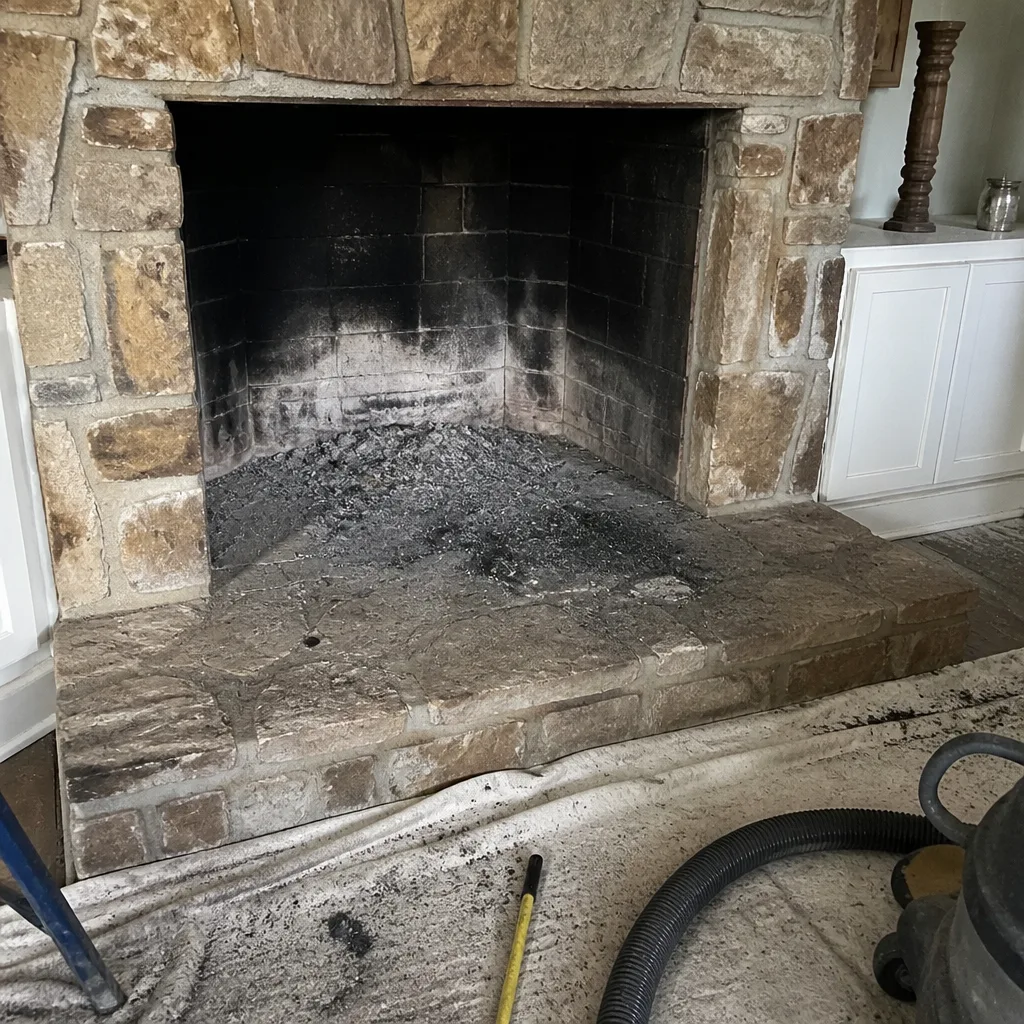
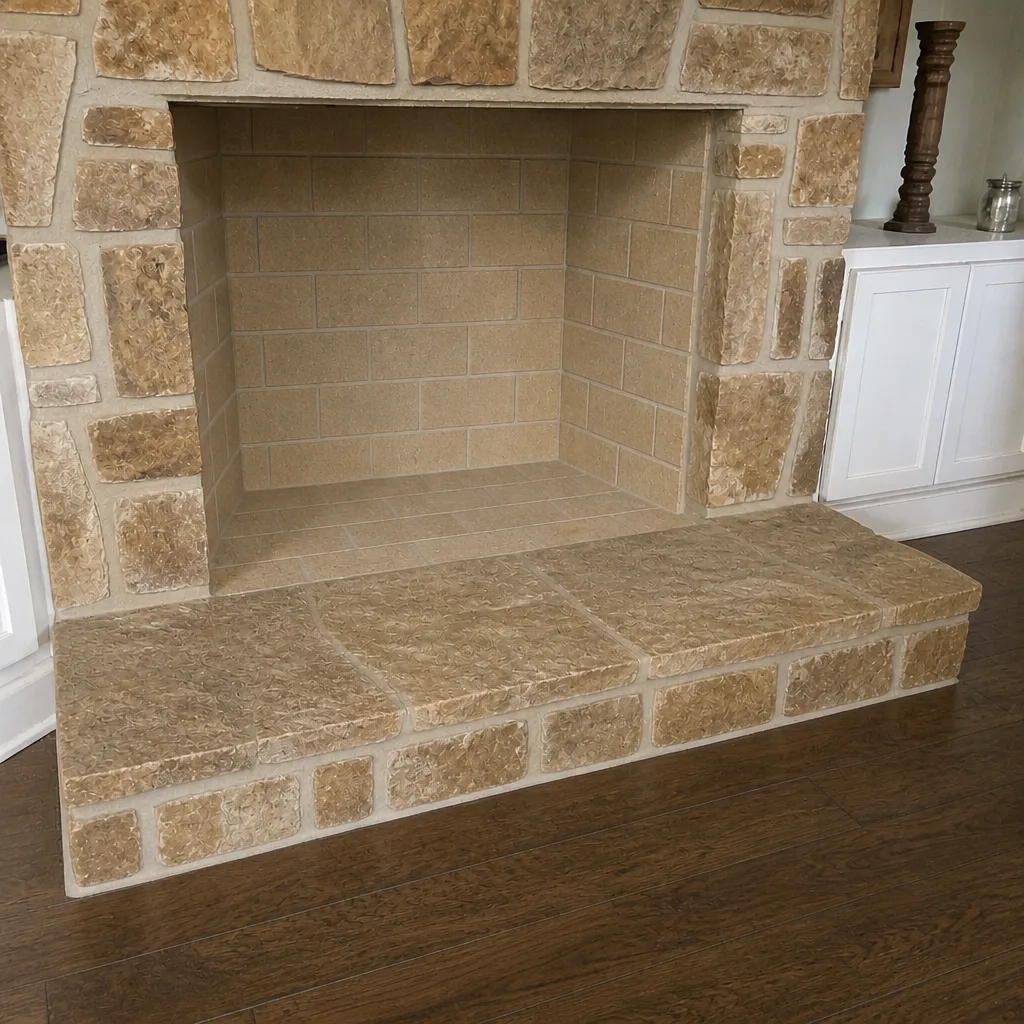
See the difference
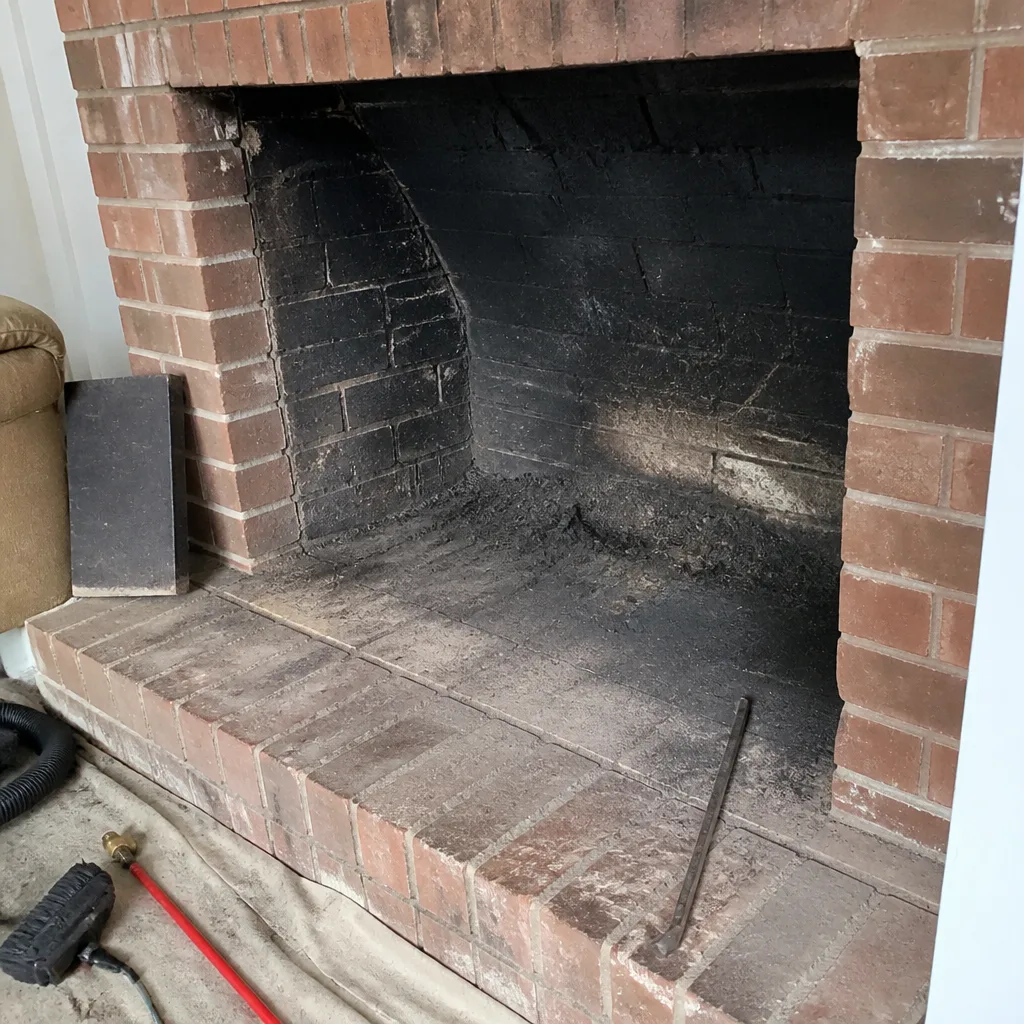 Before
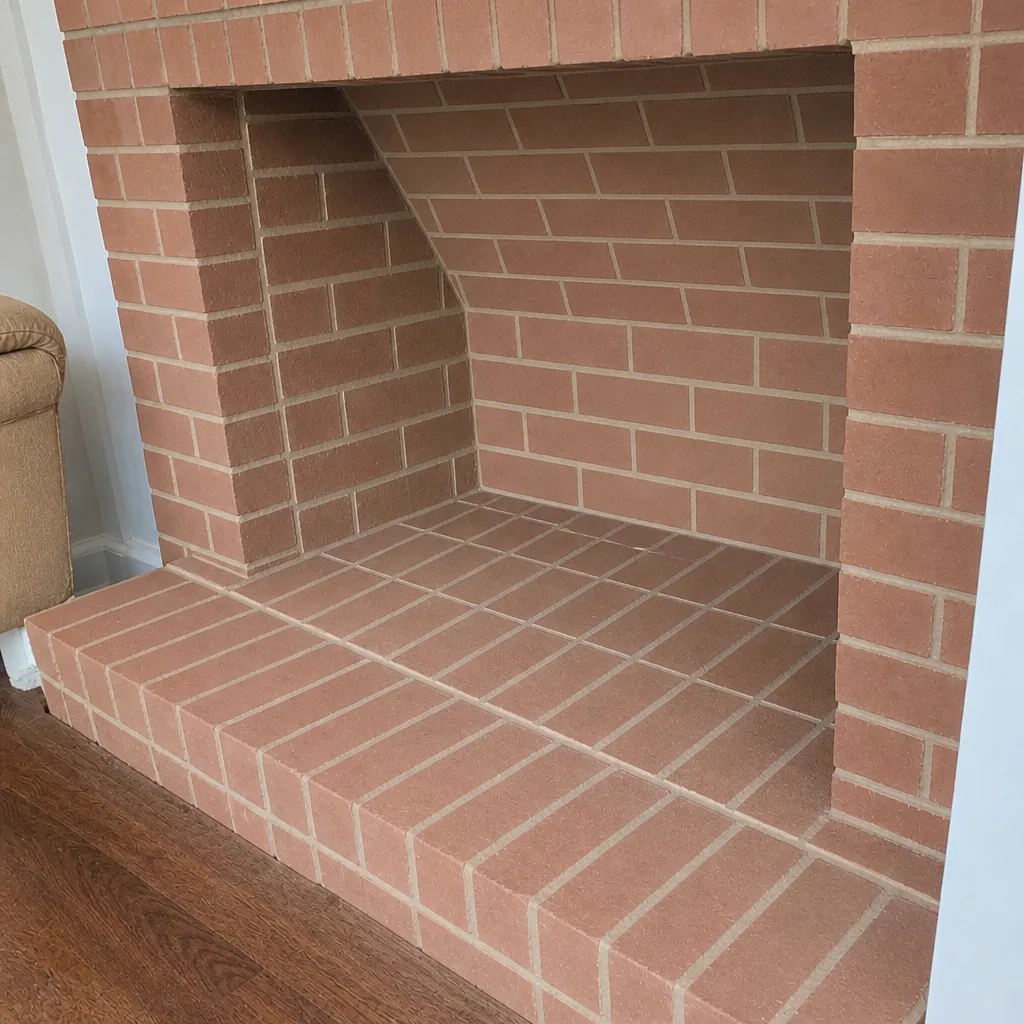 After
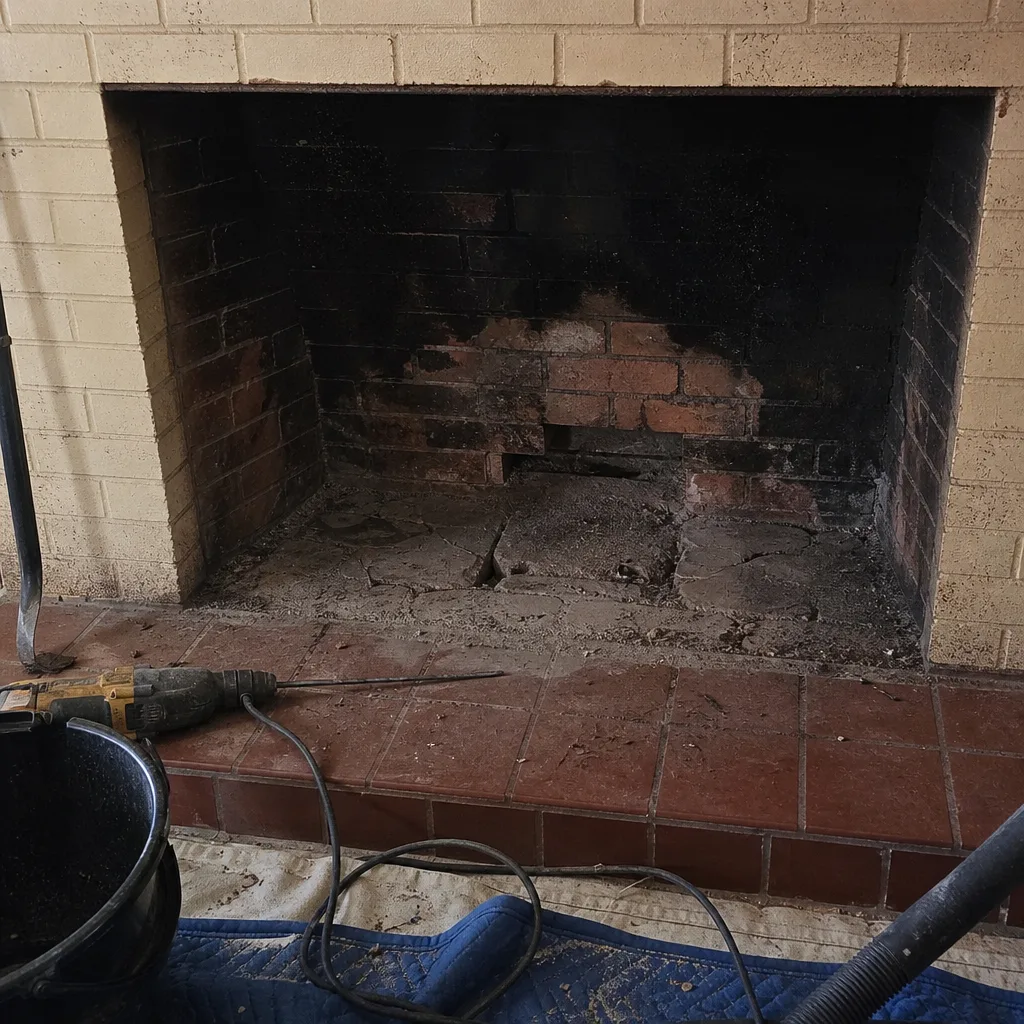 Before
 After
 Before
 After
When to Call a Professional
Call a professional when you don’t know the last time the chimney was cleaned, when smoke backs into the room, when you smell creosote or see soot staining around the firebox, or when you spot a cracked crown, a loose cap or rust on the damper. Call before the burning season starts, not after. And call if any contractor has recommended a liner or resurfacing without showing you the camera evidence; a second look is worth the time. High-tension springs, gas lines, electrical work and steep-roof access are not homeowner jobs, and a trained technician should handle anything on the roof or inside the flue. Chimney Sweep Tyler offers free estimates in Tyler. Call (866) 389-3453. We answer 24/7. Fast dispatch from 7am to 7pm, Sunday through Friday.
Frequently Asked Questions
A materials-informed contractor in Tyler should be able to name professional-trade brands like DuraFlex for flexible liners, HeatShield for flue resurfacing, and Copperfield, Famco or Gelco for caps, dampers and venting. If the answer is vague, the sourcing probably is too. Call (866) 389-3453 for an exact quote on your chimney, and we’ll tell you what we found and what it means.
Yes. A purpose-built cap from a trade brand is made to a specific gauge, alloy and mounting standard, and it lasts far longer than a generic retail cap in Tyler’s sun and humidity. The cap is one of the few parts you can inspect from the ground, so it’s the easiest place to see the difference. Call (866) 389-3453 for a free estimate, and we’ll check the cap and flashing while we’re there.
HeatShield is an engineered resurfacing system applied to a specified thickness and cure; regular refractory cement is a mortar used for patches. The engineered system is formulated for thermal cycling, so it holds up better on a flue that heats and cools repeatedly. Whether resurfacing is right for your flue depends on what the camera shows. Call (866) 389-3453 to book an inspection, and we’ll show you the photos before recommending anything.
You can buy the same category of product, but usually not the same specification. Retail products are built for a homeowner doing a quick job; trade brands like DuraFlex and Copperfield are built for a trained installer and a service life measured in years. The difference is in the metal, the fasteners and the fit. Call (866) 389-3453 for a free estimate on a proper repair.
Resurfacing can work when the flue is cracked at the surface but still structurally sound; a full reline is the answer when the flue has failed or the appliance needs a different venting setup. Only a camera inspection can tell you which. We won’t recommend a liner without evidence you can see. Call (866) 389-3453 to schedule, and we’ll explain what we found and what it means.
A chimney is a system, and the liner, cap, damper and flashing all interact. Parts from the same design family fit together, and warranty coverage is cleaner when the system is installed as specified. Mixed parts can work, but they make the next repair harder to plan and can cloud a warranty claim. Call (866) 389-3453 for a free estimate and we’ll map out what your system has and what it needs.
The Bottom Line
The brand of materials on your chimney is a specification, and it’s one you can learn to check. Ask which brands a contractor uses, ask why the alloy or the system was chosen, and ask to see the camera evidence before you approve any repair. In Tyler, the warm, humid climate makes condensation and thermal cycling part of the story, and the engineered products handle it better than the generic substitutes. A sweep, inspection and repair handled by the same team closes the gap where problems get found and then forgotten. If a repair can safely wait, you should hear that too. To book a free estimate on your chimney in Tyler, call (866) 389-3453. We answer 24/7. Fast dispatch from 7am to 7pm, Sunday through Friday. You can also read more about our Tyler service area to see how we work.
Written by the team at Chimney Sweep Tyler.