
Gelco Chimney Sweep in Tyler: A Homeowner’s Guide
If a contractor mentioned “Gelco” during your chimney estimate and you’re not sure whether that’s a good sign, a sales pitch, or something to Google before agreeing, this guide answers that. Gelco is a chimney industry supply brand, not a service company, and it doesn’t knock on doors. Homeowners in Tyler who hear brand names like this during an estimate are usually trying to work out one thing: is the person quoting me using real, purpose-built chimney materials, or whatever was cheapest at the hardware store? That distinction matters more than most people realize, and it’s worth understanding before you sign anything.
What Is Gelco, and Why Would a Chimney Contractor Mention It?
Gelco is a supply brand whose products are sold through professional chimney trade channels, not big-box stores. When a technician mentions it, they’re usually telling you what materials they intend to use on your job. It’s a signal, and a useful one, because it means the parts and hardware are being sourced from a supplier that serves the trade rather than improvised from generic stock.
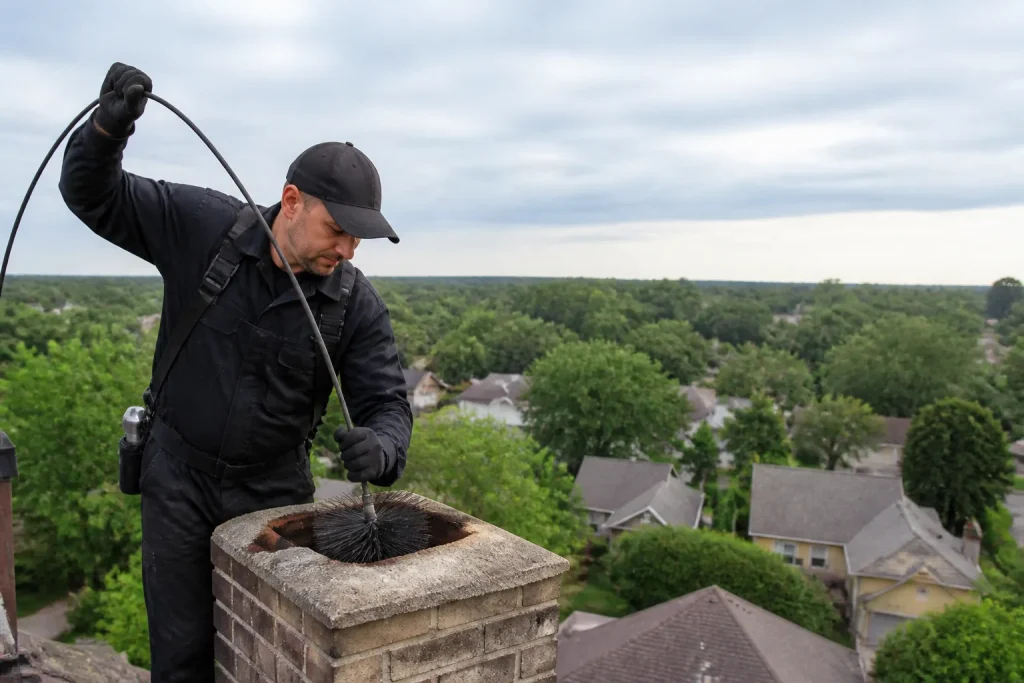
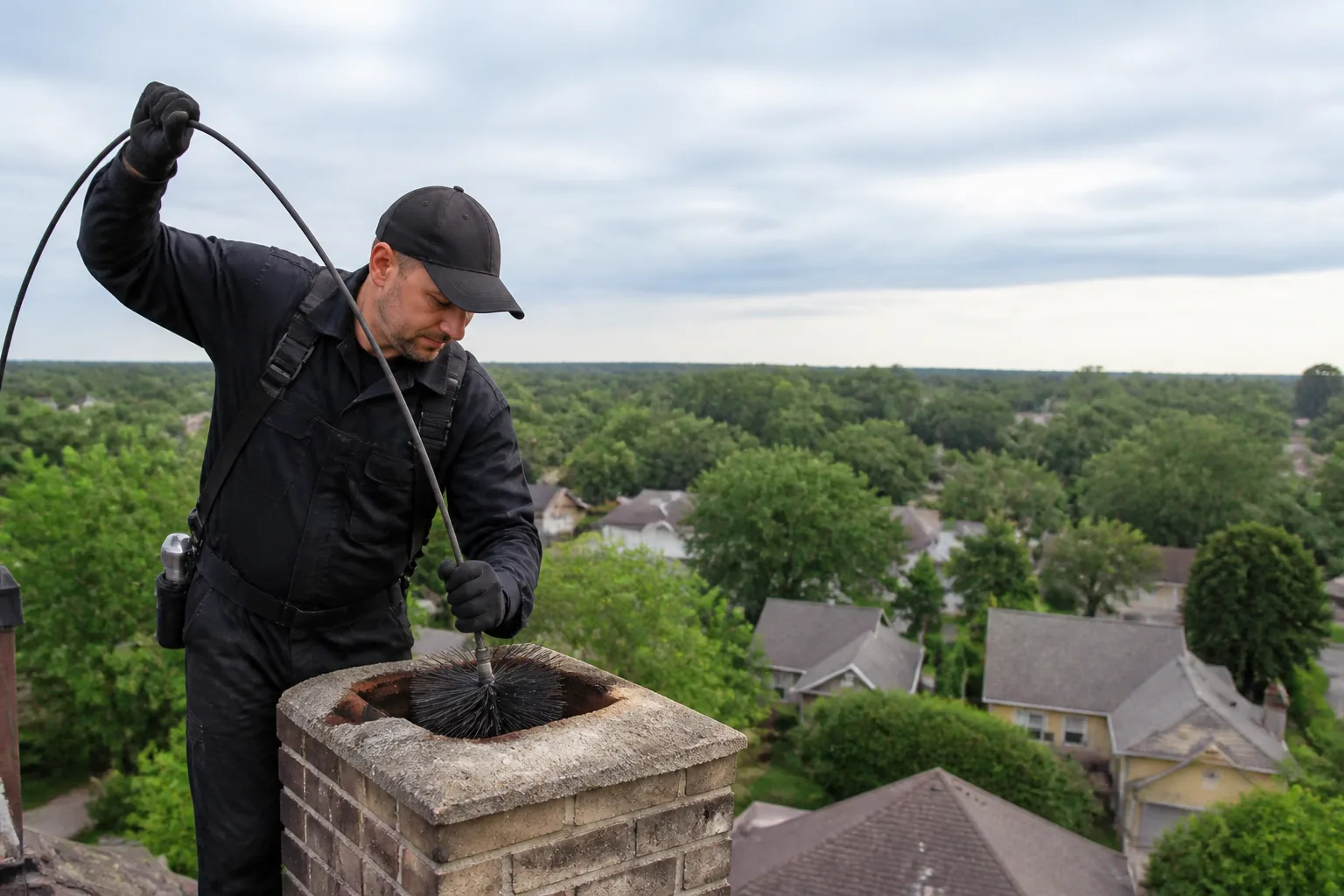
Gelco products relevant to a typical Tyler home fall into a few clear categories. Cap systems protect the top of the flue from rain and animals while allowing exhaust to escape. Brush kits are what a technician actually sweeps with; the right brush for your flue type matters for a clean sweep that doesn’t damage the liner. Draft-related hardware helps a chimney pull properly, which affects how well smoke leaves your home. None of these are glamorous, but each one determines how the system performs over the long haul.
What Gelco is not is a service. Nobody from Gelco is going to arrive at your house, inspect your fireplace, or sweep it. If a contractor implies the brand itself does the work, that’s worth a polite follow-up question. We point this out not to catch anyone out but because the confusion is common, and knowing the difference helps you ask better questions. The materials brand and the service provider are two separate things, and both should be legitimate.
How to Use Material Brands as a Vetting Signal
The brands a contractor can name and explain are one of the clearest signals of whether they’re serious. A company that specifies professional-grade materials is accountable to product standards. A company that won’t name anything is usually sourcing on price. Our own work leans on a roster of trade brands – DuraFlex flexible liner systems, HeatShield for liner resurfacing, and components from Famco and Copperfield for caps, dampers, and venting – because those are built for the job rather than adapted to it.
When you’re evaluating a chimney contractor in Tyler, listen for how they talk about materials. Some useful questions:
- What brands do you use for caps, liners, and brushes, and why those?
- Can you explain what each component does rather than just naming it?
- Where do you source your parts, and are they trade-supply or hardware-store substitutes?
- Will the same technician who inspects also handle the repair, or is there a handoff?
- Can you walk me through what you found and what it means in plain language?
A good contractor answers these without flinching. A vague answer about “quality materials” with no names attached tells you something too, and it’s not a knock against you to notice it.
Why the Same Sweep Can Produce Very Different Results
Two technicians can perform the identical sweep and leave you with very different long-term outcomes. The difference isn’t usually the labor; it’s the materials. A cheap brush on the wrong flue can scuff a liner. A generic cap installed without the right fit lets water in, which leads to bigger problems down the line. A draft component sourced on price rather than specification can leave smoke problems that never quite get solved.
This is the part most homeowners don’t see. A clean chimney is a measurable thing – it either passes inspection or it doesn’t. But the materials used to keep it clean and sealed are working quietly for years after the technician leaves the driveway. In Tyler’s climate, with its warm humid stretches and cooler winter evenings, a chimney system gets a real workout from wood-burning appliances. The materials have to hold up through that cycle, not just one season.
We’ve seen the difference first-hand between a system built on proper components and one assembled from what was on hand. The first one behaves predictably. The second one tends to generate callbacks. That’s the practical reason material brands matter, and it has nothing to do with brand snobbery.
What Gelco Products Do Around Your Tyler Home
It helps to know what each category of product actually does, so you can follow the conversation when a technician is on your roof or at your hearth. Here’s the plain-language version.
Cap systems sit on top of the chimney and keep weather and wildlife out while letting smoke and gases out. A well-fitted cap matters more than it sounds – an ill-fitting one can invite rain into the flue, and moisture is one of the quieter enemies of a chimney system.
Brush kits are the tools of the trade. The right brush matches the flue’s shape and material, so the sweep is thorough without damaging the liner surface. This is why “we sweep chimneys” is a less useful statement than knowing what the sweep is done with.
Draft-related hardware helps the chimney pull properly. If a fireplace smokes into the room rather than up the flue, draft hardware is one of the places a technician looks first. It’s rarely the whole story, but it’s often part of it.
When these components are purpose-built for chimney systems, repairs hold up. When they’re improvised, they tend to fail quietly and then loudly. A cap that’s just a bit off may not announce itself until you’ve got water damage in the ceiling.
Why the Materials Make the Difference, Not Just the Labor
The same sweep, done with the same care, using the wrong materials, produces a worse result every time. Most homeowners evaluate chimney work by what they can see immediately: is the fireplace cleaner, did the technician sweep up, did they leave the room tidy. All fair measures. But the durability of a repair depends almost entirely on what went into it.
Take liner work as an example. A company with access to DuraFlex can install a proper flexible liner sized to your flue. A company that doesn’t may either decline the job or improvise, and improvising on a chimney is not a great plan. HeatShield is another tool we use for liner resurfacing, which is a middle path between doing nothing and a full replacement. Not every company offers it because it requires trade access and training. That’s exactly why its presence is a useful signal.
Caps and venting components are similar. Famco and Copperfield parts are purpose-engineered. Fit matters, tolerances matter, and a generic substitute often looks fine on day one and reveals itself over a winter. If the phrase “we use professional-trade brands” is meant seriously, it shows up in these small decisions rather than in a tagline.
Questions to Ask Any Tyler Chimney Contractor Before You Sign
Before you commit to an estimate in Tyler, ask a short set of questions. The answers tell you more than any brochure. Here’s the list we’d want answered if the situation were reversed.
- What brands do you use for caps, liners, and venting, and can you explain why?
- Do you handle inspection, sweeping, and repair, or just one of those?
- How do you explain what you find – do I get a plain-language walkthrough?
- What’s your process for a repair found during a sweep? Can it be handled on the same visit or does it require a second trip?
- Do you have access to resurfacing systems like HeatShield, or flexible liner systems like DuraFlex?
- Who exactly performs the work, and are they the same people who inspected?
A contractor who can answer these confidently is usually one worth working with. If the answers are vague or the brand names are dodged, that’s information too. You’re not being difficult by asking; you’re being a homeowner who’s paying attention.
When to Call a Pro
Some chimney work you can absolutely defer through a quiet season. Some you can’t. If you smell a strong creosote odor on warm days, if smoke rolls back into the room when you light a fire, if a cap looks loose or missing, or if you haven’t had the system inspected in more than a year, it’s time to bring someone out. Nobody should be climbing onto a roof with a brush and a vague plan; chimney work involves height, hot systems, and products that need proper handling. A trained technician is the correct answer every time.
If you’re in the middle of a repair conversation and want a second opinion, we’re happy to help. Call (866) 389-3453 to talk through what’s going on. We answer 24/7, and fast dispatch runs from 7am to 7pm. The right materials and the right team make a bigger difference than most homeowners expect. If you’d rather understand the process than DIY it, that’s the call to make.
Related services in Tyler: chimney sweep, chimney repair, and the full range of what we do at Chimney Sweep Tyler. For more about our area, see our Tyler page.
The Bottom Line
Gelco is a chimney supply brand sold through professional trade channels, not a service company. When a contractor mentions it alongside names like DuraFlex or HeatShield, they’re telling you they source proper materials rather than improvising. That’s a useful vetting signal and worth asking about directly. The labor matters, the cleaning matters, but the materials are what hold up over time – and in Tyler’s climate, with a fireplace working through warm summers and cool winters, that durability is doing a lot of quiet work.
If you’re in Tyler and want a straight answer about your chimney, Chimney Sweep Tyler offers free estimates. Call (866) 389-3453 to get started. We answer 24/7 and dispatch from 7am to 7pm, Sunday through Friday. No sales pitch, just a look at what you’ve got and a plain-language explanation of what it needs.
Frequently Asked Questions
No. Gelco is a supply brand whose products – brushes, rods, caps, and liner components – are sold through professional trade channels. The company that sweeps your chimney is a separate business that uses those products. Homeowners sometimes confuse the two, and it’s a fair confusion to clear up before an estimate.
Ask them to name the brands they use for caps, liners, and venting, and then ask them to explain what each one does. A contractor using professional-grade materials will answer with specifics. A vague answer about “quality” with no brand attached usually signals price-first sourcing. Our own material roster includes DuraFlex, HeatShield, Famco, and Copperfield, and we’re glad to explain each one on request.
Gelco covers the supply side – caps, brushes, and draft-related hardware that technicians install. HeatShield is a liner resurfacing system used for repair work. Both are trade-grade products, but they serve different roles in a chimney system. If a contractor offers HeatShield alongside Dilavar or similar liner options, they likely handle both inspection and repair in-house rather than sending you elsewhere.
Because a chimney is a system, and every component affects how the others perform. A poorly fitted cap lets water in. A wrong brush scuffs the liner. A weak draft component leaves smoke problems unresolved. The visible result of a sweep looks roughly the same; the invisible result depends entirely on what was installed. That’s why materials, not just labor, are worth asking about when you’re in Tyler and hiring for chimney work. If you’d like an honest walkthrough, call (866) 389-3453 to schedule a free estimate.
Written by the team at Chimney Sweep Tyler.
Need Chimney Cleaning Help?
Call Chimney Sweep Tyler - licensed & insured, with free written estimates in Tyler.
(866) 389-3453